Asuka and Asukamura — The Ancient Romance of Japan's Dawn of Civilization
Before Nara, before Kyoto, there was Asuka. In this quiet agricultural valley south of Nara City, the first unified Japanese state took shape in the 6th and 7th centuries, the first Buddhist temples were built, and the political and cultural foundations of a nation were laid. Today, Asuka-mura is a rural village where rice paddies surround ancient burial mounds, mysterious carved stones, and the scattered ruins of palaces and temples.

Highlights

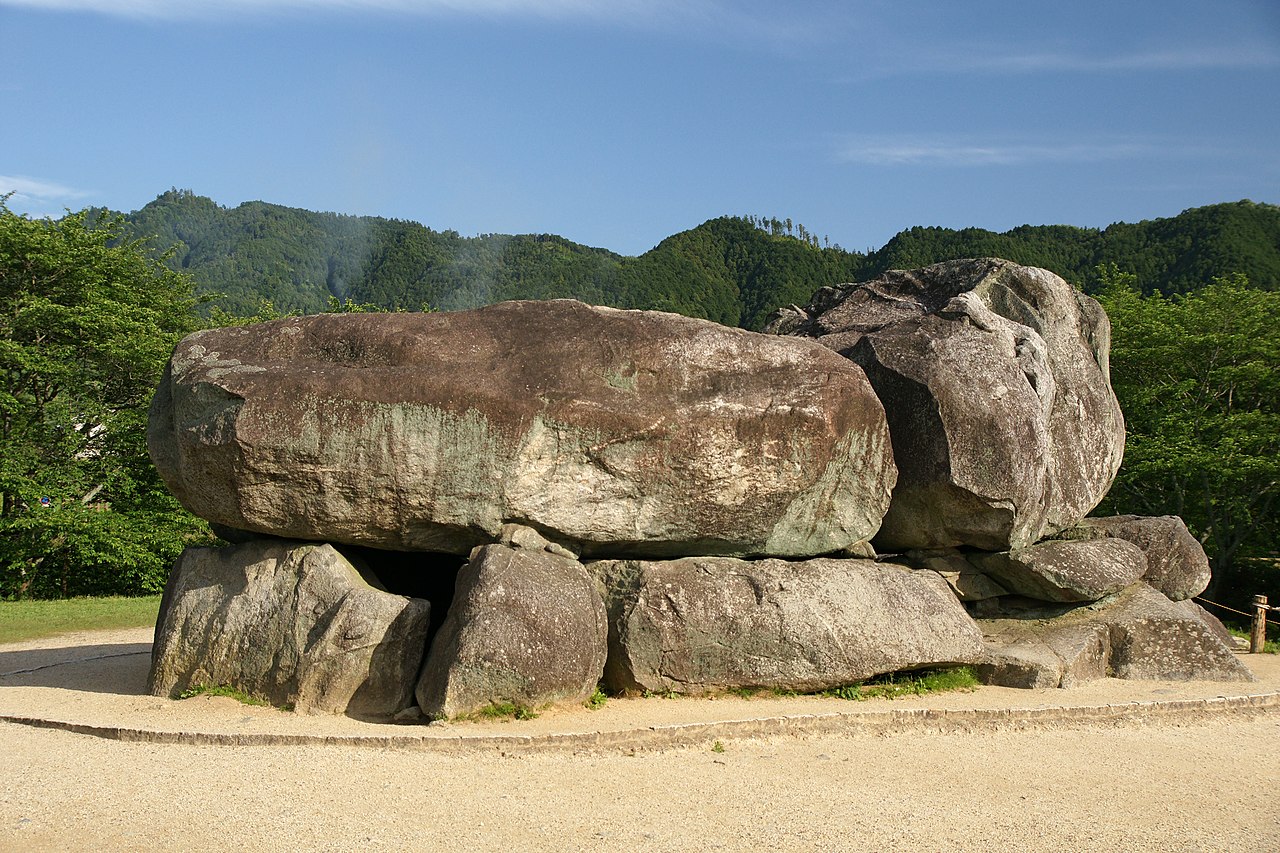
Asuka is best explored by bicycle, with rental shops near Kashiharajingu-mae and Asuka Stations providing access to a landscape where significant historical monuments appear around every corner. The Ishibutai Kofun is one of Japan's largest stone burial chambers, its enormous granite slabs assembled without mortar over the tomb said to belong to the powerful minister Soga no Umako. The burial chamber is roughly 7.7 meters long and 4.7 meters high, and visitors can enter it directly.
Asukadera, Japan's oldest full-scale Buddhist temple founded by Soga no Umako, houses the Great Buddha of Asuka, a bronze image said to be Japan's oldest Buddhist statue, completed around 609, its face bearing a serene archaic smile. The Takamatsuzuka and Kitora tumuli are famous for their colorful wall paintings; the Takamatsuzuka paintings were designated National Treasures in 1974, and nearby museums display reproductions and excavated artifacts.
Access and Basic Information
From Kashiharajingu-mae Station or Asuka Station, rent a bicycle or take a bus. Ishibutai Kofun charges 500 yen for adults and 200 yen for high school students and younger, open 9:00 to 17:00 (reception until 16:45). Asukadera charges 500 yen for adults, 300 yen for junior and senior high students, and 250 yen for elementary students. The full cycling loop of Asuka's major sites takes about 3 to 4 hours.
Practical Travel Notes
Electric-assist bicycles are the most recommended way to tour Asuka, since gentle hills are much easier with pedal assist. Tourist maps are available at station information offices. Many sites are outdoors, so wear comfortable shoes and expect muddy paths after rain. Admission fees and hours can change by season or event, so check the latest information beforehand, and bring water and sun protection.
Best Time to Visit
Spring brings rapeseed and cherry blossoms across the terraced paddies, and autumn adds golden rice fields and red spider lilies in September. Early mornings can offer atmospheric mist. When walking the paddy paths, respect farm work and private land and carry your trash home.
📚 Sources
This article is based on guidance published by Nara Prefecture and the tourism associations of its cities and towns, public information from individual spots, and on-site information boards. Fees and hours may change, so please confirm with the official information of each spot or the local tourism association before setting out.
Visitor Checklist
- Estimated time: Times vary widely by spot, so plan around each destination.
- Getting there: A car helps for spots away from stations, while central sights are often walkable.
- What to prepare: Clothing suited to the season, and easy-walking shoes for outdoor sites.
- How to tour: Combine nearby spots to make an efficient route through Yamato.
- Before you go: Confirm hours and access for each spot in advance, as they may change.
📍 Location & Access


Share this article


✍️ About this article
This article is compiled by the Tabitabi JAPAN editorial team from official and primary sources, including facility and shrine/temple websites, tourism information published by municipalities and tourism associations, and cultural-property records released by national and local governments. Prices, opening hours and event dates may change, so please also check the official information of each facility or local government before you visit.