
Tanzan Shrine: Ancient Mountain Shrine in Nara Mountains with Blazing Autumn Foliage
A Foliage Landmark Tied to the Taika Reform
Tanzan Shrine, set in the mountains of Tonomine in Sakurai City, Nara Prefecture, enshrines Nakatomi no Kamatari, ancestor of the Fujiwara clan and later known as Fujiwara no Kamatari. Known for its grand cluster of shrine buildings, called the Nikko of Kansai, and for the autumn foliage that fills the mountain, it draws many worshippers and visitors.

Where the Taika Reform Began
The shrine's name, Tanzan, meaning discussion mountain, comes from a tradition that in 645 Nakatomi no Kamatari and Prince Naka no Oe, later Emperor Tenji, held secret talks here in the mountains of Tonomine to overthrow the Soga clan. It is the historic stage on which the Taika Reform began. Kamatari's eldest son Joe is said to have later moved his father's grave here and built the shrine, making it a site deeply tied to the origins of the Fujiwara clan.
Japan's Only Wooden Thirteen-Story Pagoda

The symbol of the grounds is the wooden thirteen-story pagoda, the only surviving example in the world (an Important Cultural Property). About 17 metres tall, this graceful tower of thirteen stacked roofs is said to have been built to honour Kamatari. The present structure is a Muromachi-period reconstruction, but its delicate form, set against the surrounding autumn colours or fresh spring greenery, creates a truly picturesque scene.
Autumn Foliage and the Kemari Festival
In autumn, Tanzan Shrine is wrapped in a spectacular view as about 3,000 maple trees in the grounds turn colour at once and the whole mountain glows crimson. The foliage framing the thirteen-story pagoda is stunning, and in some years the grounds are lit up. In the Kemari Festival, held in spring and autumn, participants in Heian court dress dedicate the ancient courtly ball game of kemari, conveying elegant court culture to this day.
Access and Basic Information
From the south exit of Sakurai Station on the Kintetsu and JR lines, it is about a 25-minute bus ride to the Tanzan Shrine terminus. Buses are infrequent, so checking the timetable in advance is wise. The shrine is in the mountains and has parking. Admission is roughly 600 yen for adults and 300 yen for elementary students. Opening hours are generally 8:30 to 16:30, with reception until around 16:00. The foliage season is very crowded, so arriving early is recommended.
Practical Travel Notes
- Autumn colours are usually at their best from mid-November to early December; with about 3,000 maple trees, the grounds are especially crowded then.
- Buses from Sakurai Station are limited, so check timetables for both directions; if driving, the car park fills early during the foliage season.
- The mountain grounds have many stone steps and slopes around the thirteen-story pagoda, so wear comfortable shoes.
- At about 500 metres elevation, the site is cooler than the city, so a jacket is comfortable in autumn.
- The spring and autumn Kemari Festival days are particularly busy, so check the schedule in advance.
A Quick Tip
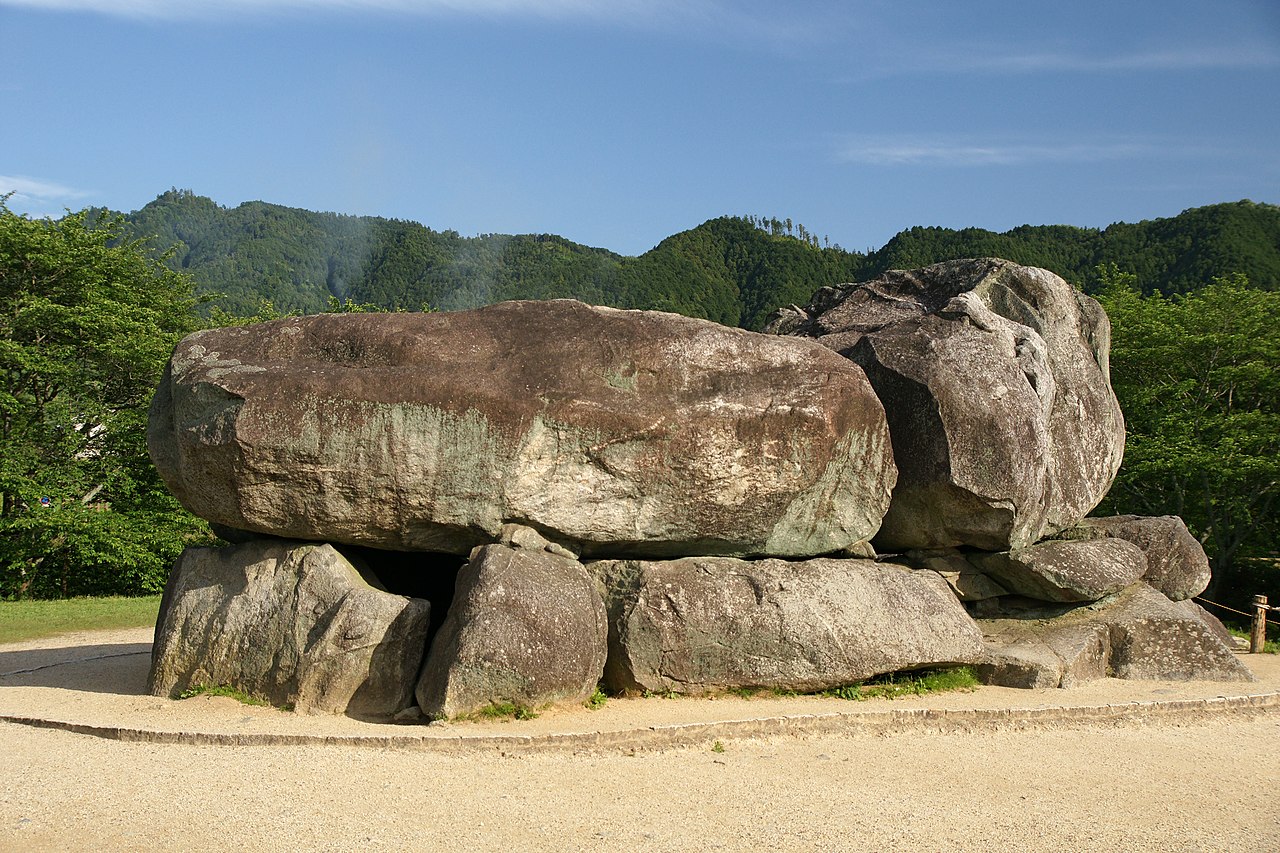
The foliage peaks mainly from mid to late November, while the thirteen-story pagoda amid fresh greenery is refreshingly beautiful in April and May. Combining a visit with ancient-history sites of the Asuka and Sakurai area, such as Omiwa Shrine and the Ishibutai burial mound, lets you enjoy both the stage of the Taika Reform and Nara's natural beauty in a single day.
📚 Sources
This article is based on official information from Tanzan Shrine, guidance from Sakurai City and the Sakurai Tourism Association, and on-site information boards. Admission fees, hours, and foliage timing may change or shift, so please confirm with the official information of Tanzan Shrine before setting out.
Visitor Checklist
- Estimated time: Allow about one to two hours for the hillside precinct and its pagoda.
- What to prepare: Easy-walking shoes for the steps and slopes.
- When to go: Autumn foliage is a celebrated highlight worth timing a visit to.
- Getting there: It sits in the mountains, so a car or bus is convenient.
- Before you go: Confirm admission fees and hours in advance, as they may change.
📍 Location & Access


Share this article


✍️ About this article
This article is compiled by the Tabitabi JAPAN editorial team from official and primary sources, including facility and shrine/temple websites, tourism information published by municipalities and tourism associations, and cultural-property records released by national and local governments. Prices, opening hours and event dates may change, so please also check the official information of each facility or local government before you visit.