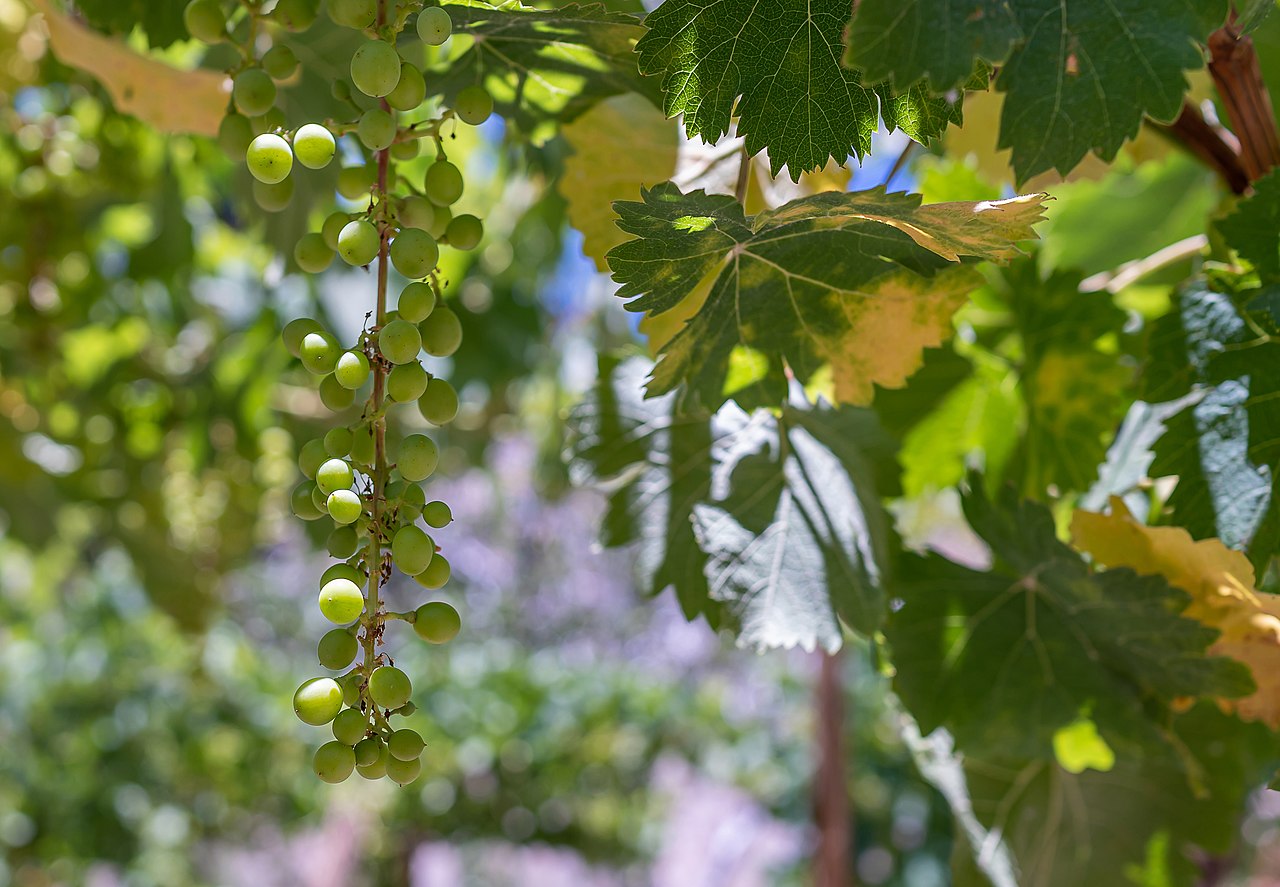
Muscat Grapes: A Local Food Guide for Visitors (Okayama)
Okayama is a grape-producing region known nationwide for "Muscat of Alexandria." Native to North Africa and spread across the Mediterranean from the port of Alexandria in Egypt during the Roman era, this grape began serious cultivation in Japan in Okayama Prefecture in 1886. Because the climate and soil suited its cultivation, Okayama now produces the vast majority of Japan's crop. With large, translucent yellow-green berries, an elegant fragrance, and refined sweetness, it is a luxury fruit sometimes called the "Queen of Grapes."
Highlights
Grown one bunch at a time by hand in greenhouses, Muscat is prized for the gorgeous fragrance that fills the mouth. In recent years the seedless "Shine Muscat," which can be eaten skin and all, has also become popular, spreading so widely that it became Japan's number one grape by planted area. In Okayama's fruit-picking, these two varieties are the main attractions.
Seasonal Enjoyment
The season runs mainly from summer to autumn. From around August to October you can enjoy grape-picking at tourist orchards in the prefecture and taste freshly picked Muscat. Sweets such as parfaits and jellies also appear in various places.
Access and Basic Information
You can enjoy it at tourist orchards around Okayama City and Kurashiki City, and at fruit parlors near JR Okayama Station. Access to the orchards is convenient by car.
A Quick Tip
The ripe part to eat first is the berries at the bottom of the bunch. Rather than chilling it too much, letting it return slightly to room temperature brings out more fragrance. For souvenirs, check shelf life and shipping options.
Practical Travel Notes
- Origins: Native to North Africa, serious cultivation in Japan began in Okayama Prefecture in 1886. Okayama now produces the majority of domestic Muscat of Alexandria.
- Where to try it: You can enjoy it at tourist orchards around Okayama City and Kurashiki City and at fruit parlors near JR Okayama Station.
- Season: Mainly summer to autumn; grape-picking at prefectural tourist orchards is possible from around August to October.
- Two popular varieties: The two headliners are the highly fragrant "Muscat of Alexandria" and the seedless "Shine Muscat," which can be eaten skin and all.
- Note: Orchard operating periods and harvest timing shift year to year, so check ahead for grape-picking. For souvenirs, confirming shelf life and shipping availability is reassuring.
Sightseeing Checklist
- Budget guide: Fresh grapes make a fine gift, while processed products are affordable
- Where to eat it: Fruit shops, farm stands, roadside stations and souvenir shops around Okayama Prefecture
- Best time of day: Fresh grapes are in season from summer to autumn; processed products are sold all year
- Avoiding the crowds: Buy fresh grapes early in the season; processed souvenirs are available year round
- Combine it with: Muscat parfaits, grape picking, white peaches and Okayama's fruit culture
📚 Sources
This article is compiled from tourism information for Okayama Prefecture and information published by the individual shops. Prices, menus and seasonal availability are subject to change, so please check each shop's official information for details.
Practical Information for Your Visit
- Shipping season: Muscat of Alexandria is shipped from June to November (Okayama Prefecture official information). Shine Muscat is divided by growing method: heated greenhouse cultivation from early July to early August, unheated greenhouse cultivation from the first half to the middle of August through late August, and simple-cover cultivation from early September to late November.
- Main growing areas: Muscat of Alexandria is grown in Okayama City (Tsudaka, Ichinomiya and other districts) and Kurashiki City (Funao-cho), among others. The cultivated area is 39 ha (Reiwa 2 / 2020 crop, the largest in Japan, according to the Ministry of Agriculture, Forestry and Fisheries survey on the production trends of specialty fruit trees), accounting for more than 90 percent of the national total.
- Where you can mainly try it: Pick-your-own fruit farms around Okayama City and Kurashiki City, farm stands and fruit shops within the prefecture, and fruit parlours around Okayama Station.
- How to enjoy it (Okayama Prefecture official advice): Rinse the whole bunch with water, working around the central stem, chill it for about 10 minutes in ice water or similar, then eat each berry whole with the skin on. The muscat aroma is largely contained in the skin.
- Points to note: The white powder on the surface of the berries is called bloom, a waxy substance produced by the grape itself. It is not pesticide, and since it is thought to keep the fruit fresh by preventing moisture from evaporating, it is best to take the grapes home without washing it off. The opening periods of pick-your-own farms and the harvest times shift earlier or later depending on the year and the weather, so check in advance before going grape picking.
Note: Opening hours and prices of pick-your-own farms and farm stands differ from facility to facility.
(Sources: Okayama Prefecture official website, material on Muscat of Alexandria; Okayama Prefecture Mimasaka Regional Agricultural Extension Centre, Shine Muscat)
📍 Location & Access


Share this article


✍️ About this article
This article is compiled by the Tabitabi JAPAN editorial team from official and primary sources, including facility and shrine/temple websites, tourism information published by municipalities and tourism associations, and cultural-property records released by national and local governments. Prices, opening hours and event dates may change, so please also check the official information of each facility or local government before you visit.