
Kongorinji Temple: A National Treasure Among the Three Koto Mountains
Kongorinji Temple
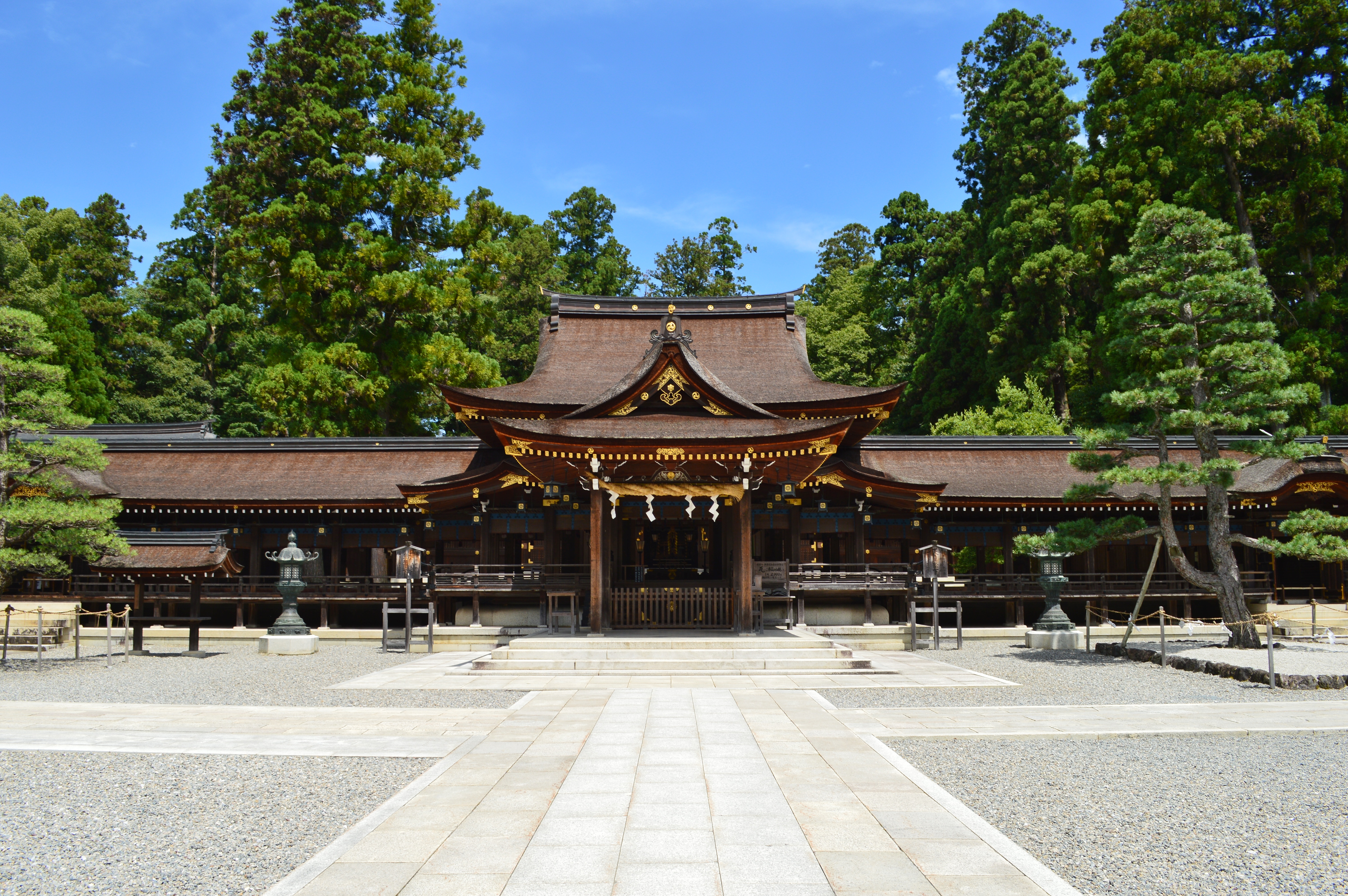
Kongorinji Temple in Aisho Town is an old Tendai temple said to have been founded by the monk Gyoki in the Nara period, resting quietly at the foot of the Suzuka mountains. Together with Saimyoji and Hyakusaiji, it is called one of the Three Koto Mountains, all known as famous spots for autumn leaves. Its main hall, a representative example of Japanese style Kamakura architecture, is a National Treasure, while the three story pagoda and the two guardian gate are Important Cultural Properties. The calm atmosphere woven from deep mountain greenery and old buildings makes it an appealing hidden gem.
Highlights
- The National Treasure main hall, conveying the beauty of Japanese style Kamakura architecture, with a weighty and refined presence.
- The three story pagoda and the two guardian gate, designated as Important Cultural Properties, along with the charming approach path from the gate.
- The strolling pond garden of the Myojuin abbey, where three gardens of differing eras are linked by a pond shaped like the character for heart, all designated as nationally scenic places and splendid in every season.
Enjoying the Seasons
In autumn, blazing red leaves sometimes called the blood dyed maples envelop the grounds in what is said to be the finest view among the Three Koto Mountains. The peak is usually from mid to late November. From spring into summer the fresh greenery is refreshing, letting you slowly savor the mood of a quiet mountain temple.
Access and Basic Information
- Just a one to two minute drive from the Koto Sanzan smart interchange on the Meishin Expressway, making car access convenient.
- Stations on the JR Biwako Line are some distance away, so travel by car, bus, or taxi is the realistic choice.
- Viewing hours are roughly 8:30 to 16:30. The fee, including the Myojuin garden, is on the order of a few hundred yen, but it can vary by season, so checking the official site is recommended.
Practical Travel Notes
- From the gate to the main hall you climb an approach lined with stone steps. The grounds are uneven, so comfortable shoes are reassuring. Allow about 40 minutes to an hour for the visit.
- The autumn leaf season is especially popular, and the surrounding roads grow busy. If you want to enjoy the quiet and avoid the crowds, visit early in the morning to take your time around the grounds.
- The Three Koto Mountains, Saimyoji, Kongorinji, and Hyakusaiji, lie close together, so a pilgrimage course visiting all three in a day is popular. Visiting them together lets you compare their noted gardens and autumn colors.
A Quick Tip
Along the approach stand rows of small Jizo statues with pinwheels turning in the breeze, a distinctive sight. Timing a visit for the peak of the autumn leaves lets you encounter a view unique to the Three Koto Mountains, where the National Treasure main hall and the blazing foliage weave together.
📚 Sources
This article was edited with reference to guidance from Kongorinji, one of the three eastern-lake temples, in Aisho Town, cultural-property explanations of its national-treasure main hall and its important cultural properties such as the three-story pagoda and Niten gate, and information on the nationally designated scenic gardens of the Myojuin priest quarters. Explanations from the temple and region were consulted for the founding attributed to Gyoki and its fame for autumn foliage. Viewing hours and fees may vary by season, so please check the temple official information before you set out.
Visitor Checklist
- Estimated time: Touring the approach from the gate to the main hall and the grounds, the visit takes about 40 minutes to one hour.
- What to wear: The approach from the gate to the main hall climbs stone steps and the grounds are hilly, so comfortable shoes are reassuring.
- Access: It is one to two minutes by car from the Koto-sanzan smart interchange, so a car is convenient; as it is far from JR stations, a car, bus, or taxi is realistic.
- Budget: Prepare the viewing fee, which includes the Myojuin garden.
- Best time of day: The autumn-foliage season is especially popular and nearby roads get crowded, so an early-morning visit lets you tour at leisure.
- Nearby: The three eastern-lake temples (Saimyoji, Kongorinji, Hyakusaiji) are close together, so a course visiting all three in a day is popular.
📍 Location & Access


Share this article
✍️ About this article
This article is compiled by the Tabitabi JAPAN editorial team from official and primary sources, including facility and shrine/temple websites, tourism information published by municipalities and tourism associations, and cultural-property records released by national and local governments. Prices, opening hours and event dates may change, so please also check the official information of each facility or local government before you visit.