
Akita Autumn Foliage: Dakigaeri Gorge, Kakunodate & Lake Tazawa
About Autumn Foliage in Akita
Nestled deep in the mountain embrace of the Tohoku region, Akita Prefecture is one of Japan's premier destinations for autumn foliage. The color change begins quietly in the high alpine areas in early October, then gradually descends to the valleys below, offering dramatically different emotions at each setting — a V-shaped gorge, a historic samurai district steeped in Edo-era atmosphere, and a mysterious mountain lake.
Crimson maples blazing across rocky cliffs, flame-like reflections trembling in an emerald-green stream, ginkgo trees glowing gold behind black wooden fences, a brocade of mountains mirrored in a cobalt-blue lake — Akita's autumn is a season that must be experienced with all five senses and engraved on the body as a whole, not captured in a single photograph.
The typical peak season is early October to late November, though the exact timing varies by elevation and location — higher areas like Lake Tazawa and Dakigaeri Gorge peak first, followed by the castle town of Kakunodate. Check the latest foliage information before you go and plan your visit accordingly.
Dakigaeri Gorge — A Canyon of Deep Crimson
If you are looking for autumn leaves in Akita, this is the place. Dakigaeri Gorge, carved by the Tamagawa River in Senboku City, is a landscape that seems torn straight from a painting. The V-shaped valley, about 8 km long, channels the river through a narrow passage where the rock faces on both sides are dyed a fiery red-orange by the maples. The reflections of the autumn leaves shimmering in the transparently clear water below are breathtaking.
The gorge is traversed by a hiking trail; walking through it, the rushing sound of the river and the vivid colors that seem almost artificial combine to take you to a world completely removed from everyday life. There are several suspension bridges along the route, and the view from mid-bridge — looking down at the swirling water while surrounded by autumn foliage — is truly exceptional.
Best Season
The gorge is typically mid to late October. During peak season the trail can be crowded, so an early-morning start on a weekday is recommended for a more relaxed experience.
Access
From JR Kakunodate Station, access is by taxi (about 20 minutes). No scheduled bus service has been confirmed in official sources; during the Momiji Festival season, a reservation-based shared taxi called "Dakigaeri-go" has operated in past years (departing Tazawako Station), but the 2026 schedule has not been announced — contact Senboku City Tourism Division (0187-43-3352) for the latest. By car from the Kakunodate area it takes roughly 20 minutes. Parking is available near the gorge entrance.
Tip for travelers:
Much of the walking path is unpaved, and rocks and tree roots become slippery after rain. Wear trekking shoes or sneakers with a solid grip. Enclosed by sheer rock walls, the gorge falls easily into shade, and it can feel 2–3°C cooler than the lowlands. Slipping a thin fleece or windbreaker into your bag comes in handy. Weekends and public holidays are extremely crowded, including congestion at the car parks, so a visit on a weekday morning is the best choice if you can manage it.
Kakunodate — Edo-Period Samurai District in Autumn Color
Known as the "Little Kyoto of Tohoku," Kakunodate is a historic castle town that retains its Edo-period atmosphere. In autumn, the mood deepens further. Among the cherry trees that are famous in spring, this season features ginkgo trees and maples turning to gold and crimson, framed by the dignified black-fence samurai residences. The contrast of old architecture and autumn foliage gives this spot an almost cinematic quality.
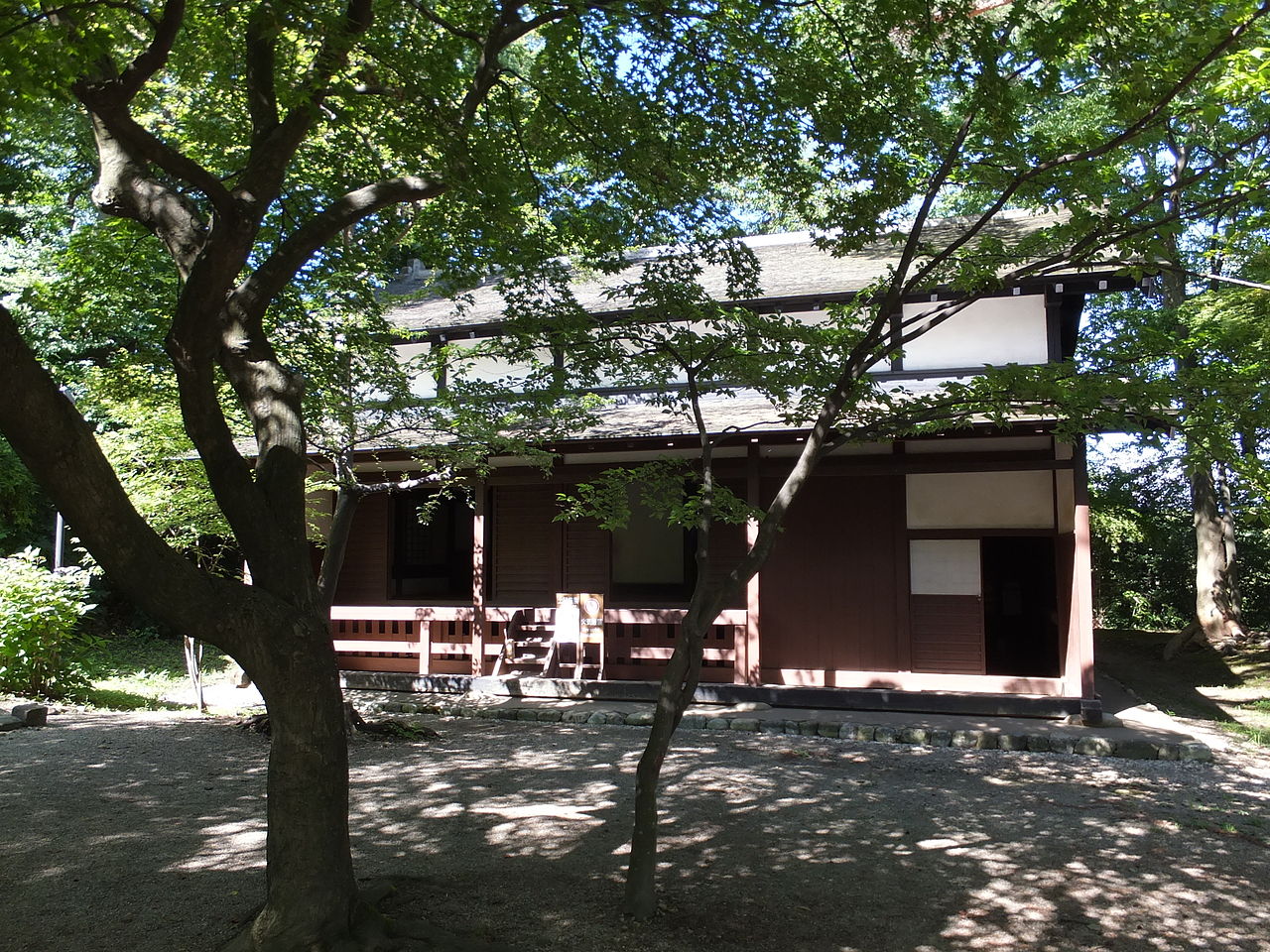
The Bukeyashiki (samurai residence) district is the main attraction. The historic homes of families such as the Aoyagi clan and the Iwahashi clan are open to the public and offer a glimpse of samurai life from centuries ago. In autumn, the large trees along the lane leading to the residences transform into a tunnel of color that is nothing short of magical.
Best Season
Ginkgo trees typically peak in late October to early November, while maples reach their best color around mid to late October.
Access
A 10-minute walk from JR Kakunodate Station. Most of the samurai residences are concentrated in the Bukeyashiki district and are easily explored on foot.
Tip for travelers:
The samurai residence street is mostly flat and easy to walk, but the cobblestone sections can feel unsteady in shoes with thin heels. Low-heeled boots or comfortable sneakers are the safer choice. Weekends see visitors arrive all at once, so right after opening (around 9:00) or after 16:00 in the late afternoon are the quieter windows in the samurai residence area. The tourist information office in front of Kakunodate Station hands out free walking maps, so stopping by to pick one up before you start exploring the town will lead you to discoveries you would otherwise have missed.
Lake Tazawa — Deep Blue Water and Autumn Mountains
At 423.4 meters deep, Lake Tazawa is Japan's deepest lake. Its mysterious cobalt-blue color — unchanged throughout the year — takes on an entirely different character in autumn, when the mountains surrounding the lake blaze with red, orange, and gold. The reflection of the vivid foliage in the lake's deep-blue surface creates a spectacle of astonishing beauty.
The lake can be circled by bicycle or bus, making it easy to find your favorite viewpoint. The Tazawa-ko Herb Garden on the eastern shore offers a wide view that encompasses both the lake and the autumn mountains, and the area around Tatko statue, a symbol of the lake, is a popular spot for photographs. On a clear day the summit of Mt. Akita-Komagatake, dusted with early snow, floats above the autumn colors — a scene that encapsulates the full depth of Akita's autumn.
Best Season
Mid to late October is typically the peak for the surrounding mountains. The view is best on calm, windless days when the reflection on the water is most vivid.
Access
From JR Tazawako Station, take the Ugo Kotsu bus (about 15 minutes) to Tazawa-ko Herb Garden or Kohan (lakeside). By car, it is about 40 to 50 minutes from Nishisenboku IC or Omagari IC on the Akita Expressway.
Tip for travelers:
Lake Tazawa sits at an elevation of 249 m, where temperatures are normally 2–3°C lower than in the lowlands. From October onwards it turns chilly even during the day, so be sure to bring easy-to-layer warm clothing such as a fleece or a light down jacket. Rental bicycles can be hired in front of Tazawako Station and at lakeside tourist facilities, but numbers are limited and they can run out by weekend afternoons. Securing one early in the morning is the better plan, and for anyone unsure of their stamina or keen to use their time efficiently, choosing an electric-assist bicycle is a reassuring ally.
Tips for Enjoying Akita's Autumn Foliage
- Check the forecast early. The peak period varies by a week or two each year. Use foliage forecast websites and local tourism information for the most current updates.
- Go on weekdays. During peak autumn foliage season, parking lots and trails can fill up quickly on weekends. A weekday visit offers a more relaxed experience.
- Dress for the cold. Temperatures drop sharply in the mountains of Akita once autumn deepens. Even on sunny days, bring a jacket and dress in layers.
- Combine spots on a drive. Dakigaeri Gorge, Kakunodate, and Lake Tazawa are all within roughly an hour of each other. With a rental car you can cover all three in a single day.
- Enjoy local cuisine. After a day of leaf-peeping, warm up with Akita specialties such as kiritanpo hot pot or inaniwa udon. The local sake, brewed with the pure water of Akita, pairs beautifully with a crisp autumn evening.
Akita's autumn is a season that truly needs to be experienced. Come and immerse yourself in the extraordinary landscapes of this northern Tohoku prefecture.
Practical Information for the Autumn Foliage Season (Based on Official Announcements)
An autumn foliage trip in Akita cannot ignore two non-negotiable factors: bear safety and seasonal road closures. The following is a summary of only what could be confirmed from official announcements by Akita Prefecture, Semboku City, Yuzawa City, the Tazawako-Kakunodate Tourism Association, and Ugo Kotsu (as of 6 September 2026).
[MOST IMPORTANT] Akita Prefecture Has Issued an Asian Black Bear Alert
Akita Prefecture has issued an Asian Black Bear Alert covering the entire prefecture (Akita Prefecture official website, updated 25 August 2026).
| Item | Details |
|---|---|
| Alert period | 14 April 2026 (Tue) – 30 September 2026 (Wed) (extended again on 29 July 2026) |
| Situation | Bear sightings in residential areas are occurring repeatedly |
| Entry prohibited zone | Kazuno City Hachimantai area to Semboku City Tamagawa area. A specific dangerous bear that actively attacks people has been confirmed; the prefecture states it is "at a level that cannot be prevented by general measures such as bells or radios" |
| How to check | Kumadasu app (available from August 2026) provides real-time bear sighting information |
⚠️ The alert expires on 30 September, but bears remain active through October and November — exactly the foliage peak season. Anyone planning to enter mountain trails around Tamagawa Onsen or the Hachimantai area must check the prefecture's latest information and the Kumadasu app before setting out.
Semboku City has also issued a warning for Dakigaeri Gorge.
- The tourism page states explicitly: "Bear sightings are occurring frequently across the city"
- Five metal pipe noise-makers have been installed along the walking path
- The page clearly states: "Solo walking is dangerous. Always travel in groups of two or more"
Dakigaeri Gorge (Semboku City)
- Typical peak colour: late October to early November (Semboku City foliage information page)
- Accessible section: as far as the Iimura Shonen Junnan no Hi monument and back, approximately 40 minutes return (Semboku City tourism information)
- Car parks: First, Second, and Third car parks with toilets. During the foliage festival, a fee applies (based on past results: standard vehicles ¥300 / large vehicles ¥1,000)
- Access support: During the foliage festival, a reservation-based jumbo taxi "Dakigaeri-go" (departing from Tazawako Station) and the on-demand bus "Yobunoru Kakunodate" are available (based on past results; 2026 details not yet announced)
- Enquiries: Semboku City Tourism Division 0187-43-3352 / Tazawako Tourism Information Centre "Forlake" 0187-43-2111 / Kakunodate Station-mae Kura 0187-54-2700
⚠️ [Beware of search results] Dakigaeri Gorge is NOT "fully closed to traffic." Semboku City's official website still carries a closure notice dated 2007 (Heisei 19) stating that the path from the Second Car Park to just before Natsuze-bashi (suspension bridge) is fully closed. This page sometimes appears prominently in search results. However, the same city's tourism information page states: "Walking is possible as far as the Iimura Shonen monument, a 40-minute route." A 19-year-old notice and the current guidance both exist on the same website. Please phone 0187-43-2111 to confirm current conditions before you set out.
Kakunodate (Semboku City)
Buke-yashiki-dori (Samurai District) Autumn Foliage Illuminations (Tazawako-Kakunodate Tourism Association official)
- Dates: typically early October to late November each year
- Hours: 16:30–22:00
- Car park: Municipal Sakura-namiki Car Park
- ⚠️ The specific start and end dates for 2026 have not yet been announced
Municipal Sakura-namiki Car Park (Semboku City official)
| Item | Details |
|---|---|
| Summer season (1 Apr – 30 Nov) | 8:30–16:30 |
| Fees (from 1 April 2025) | Standard vehicle ¥500 / Mid-size vehicle ¥1,000 / Large vehicle ¥3,000 |
| Winter season (1 Dec – 31 Mar) | No snow clearance |
| Enquiries | 0187-54-2700 (Kakunodate Station-mae Kura) |
Samurai Residence Admission Hours and Fees
| Facility | Opening Hours | Admission |
|---|---|---|
| Ishiguro Family | 9:00–17:00 (9:00–16:00 Dec–Mar) / Irregular holidays | Adults ¥500 / Children ¥300 (groups of 15+ and disability certificate holders: adults ¥400 / children ¥200) / 0187-55-1496 |
| Aoyagi Family | 9:00–17:00 (until 16:30 Dec–Mar) / Open year-round | No fee listed on the official website / 0187-54-3257 |
Lake Tazawa Pleasure Boats — Calls at Katarishiri Jetty Suspended
| Item | Details (Tazawako Rest House official) |
|---|---|
| Operating period | 11 April – 8 November (may vary by year) |
| Departure times | From Shirahama: 9:10 / 11:10 / 13:10 / 15:10 (circular route: Gozaseki → Katarishiri → Shirahama) |
| Important | Calls at Katarishiri Jetty are currently suspended (safety inspection of the jetty and surrounding area) |
| Fares | Shirahama only: ¥1,000 / To Katarishiri: ¥1,500 / From Katarishiri to Shirahama: ¥750 (children half price) |
| Capacity and booking | 110 passengers; no reservation required (board on the day). Passenger limits may apply during busy periods such as Golden Week |
| Cancellation | In strong winds, high waves, or other rough weather |
| Enquiries | Tazawako Rest House 0187-43-0274 |
⚠️ The printed timetable still shows Katarishiri arrival and departure times, but the boat is not currently stopping there. Do not plan an itinerary based on the old "Shirahama – Gozaseki – Katarishiri" sightseeing route.
Gozaseki Shrine: Nishiki-cho Hinoki-nai, Ainai-gata, Semboku City. From JR Tazawako Station, take the Ugo Kotsu Bus "Tazawako Isshu-sen" (Lake Tazawa Circuit Line) and alight at "Goza no Ishi Jinja-mae" (approx. 40 min), then 1 minute on foot. The Semboku City official website notes that "closing times during winter may vary" (0187-43-2111).
[IMPORTANT] Ugo Kotsu "Hachimantai Line" Suspended from 2026
According to Ugo Kotsu's official timetable, the Hachimantai Line is suspended for the 2026 season, with all services terminating at Tamagawa Onsen. Anyone relying on past information to reach the Hachimantai summit by bus will not be able to get there.
Main Ugo Kotsu Routes and Operating Periods (from official timetable)
| Route | Operating Period |
|---|---|
| Nyuto Line (Tazawako Station – Nyuto Onsen) | Year-round |
| Tazawako Isshu-sen (Lake Tazawa Circuit) | Year-round |
| Tamagawa Line (Tazawako Station – Tamagawa Onsen) | 16 April – 30 November 2026 |
| Shin-Tamagawa Line | 1–15 April 2026, 1 December 2026 – 31 March 2027 |
| Komagatake Line | Weekends and public holidays 1 June – 20 October (daily 21 June – 15 August) |
| Yuzawa-Koyasu Line | Year-round |
| Hachimantai Line | Suspended for 2026 |
Hachimantai Aspite Line and Jukai Line — Previous Year's Closure Record
| Item | Details (actual results, autumn 2025 – spring 2026) |
|---|---|
| Night-time closure | 17 October 2025 (Fri) 17:00 – 8:30 on 4 November 2025 (Tue) (daily 17:00 – 8:30 the following morning) |
| Winter closure (Aspite Line) | 4 November 2025 (Tue) 17:00 – 10:00 on 15 April 2026 (Wed) |
| Winter closure (Jukai Line) | 4 November 2025 (Tue) 17:00 – 10:00 on 24 April 2026 (Fri) |
| Open section | Fuke-no-yu gate (Kazuno City side) – Summit Mikaeri Pass – Midorigaoka gate (Iwate Prefecture side). Approx. 40 minutes by car between gates |
| Enquiries | Iwate Civil Engineering Centre 0195-62-2888 / Hachimantai City Tourism Association 0195-78-3500 |
⚠️ As of 6 September 2026, the night-time closure and winter closure dates for autumn 2026 have not been announced. The dates above are the previous year's actuals only. If you plan to drive the Aspite Line from mid-October onwards, be sure to check the latest restriction information. The peak foliage season coincides with the start of the night-time closure.
Oyasu Gorge Daifunto (Yuzawa City)
- Walking path: 302 steps on the upstream side, 406 steps on the downstream side; approximately 30 minutes
- Closures: Closed in winter. May also close when river levels rise after heavy rain — check in advance
- Car parks: Downstream side (Aguriikan car park) approx. 60 spaces + adjacent large-vehicle spaces / Upstream side (opposite Kaneko Shoten) approx. 10 spaces
- Bus: From JR Yuzawa Station, take the Ugo Kotsu "Yuzawa-Koyasu Line" for approx. 55 minutes and alight at "Kawarayu" or "Totokorozan". ⚠️ Bus stops exist on one side of the road only. On the return journey, you need to wait on the opposite side of the road
- Enquiries: Oyasu Onsen General Information Centre 0183-47-5080 / Yuzawa City Tourism and Geopark Promotion Division, Tourism Section 0183-55-8180
- (Yuzawa City official, updated 20 August 2026)
The Yuzawa City official website contains no information whatsoever about illuminations at Oyasu Gorge. Whether any illumination event takes place, and when, is unknown.
Things We Could Not Confirm (Deliberately Left Blank)
Items for which no official source could be found are stated as "unknown" rather than filled in with speculation.
1. The exact current closure section of Dakigaeri Gorge walking path in 2026 — the 2007 notice and the current tourism guidance are contradictory (call 0187-43-2111) 2. The opening and closing dates of Dakigaeri Gorge — not stated in any official source 3. Total capacity of Dakigaeri Gorge Car Parks 1–3 — not listed in any official source 4. The 2026 schedule of the Dakigaeri Koyo Festival — not yet announced (typically early October to early November) 5. The 2026 operating schedule and booking method for "Dakigaeri-go" — not yet announced 6. The construction year and structural details of the Kami-no-Iwabashi (God's Rock Bridge) — could not be confirmed from official materials 7. Aoyagi Family admission fee — not stated on the official website (0187-54-3257) 8. Specific dates of the Kakunodate Buke-yashiki-dori Foliage Illuminations for 2026 — not yet announced 9. Dedicated foliage-season car park for the Hinokiuchi River embankment — not listed in any official source 10. Illuminations at Oyasu Gorge Daifunto — no mention whatsoever on the Yuzawa City official website 11. Typical peak colour at Nyuto Onsen-kyo — not stated on any official website 12. Parking fee at Gozaseki Shrine — guidance mentions "a large car park" but gives no fee 13. 2026 operating hours and parking charges for Hachimantai Summit Rest House — the relevant Environment Ministry page returns a 404 error; official confirmation for 2026 was not possible 14. Ugo Kotsu seasonal extra or increased services during the foliage season — no announcement found in the official timetable 15. Autumn 2026 closure dates for the Hachimantai Aspite Line and Jukai Line — not yet announced
⚠️ Additionally, Semboku City's foliage information page has not yet been updated for the 2026 season (as of 6 September 2026, the most recent entry shows "all spots at bare-leaf stage as of 25 November 2025"). An update is expected from October onwards.
Information Sources
- Akita Prefecture "Asian Black Bear Information" (updated 25 August 2026)
- Semboku City official website: "Dakigaeri Gorge", "Dakigaeri Gorge Closure", "Foliage Information", "Dakigaeri Koyo Festival", "Gozaseki Shrine", "Municipal Sakura-namiki Car Park"
- Tazawako Rest House official website: "Lake Tazawa Pleasure Boats"
- Tazawako-Kakunodate Tourism Association official website (Buke-yashiki-dori Foliage Illuminations)
- Kakunodate Samurai Residence Ishiguro Family official website / Aoyagi Family official website
- Yuzawa City official website: "Oyasu Gorge Daifunto" (updated 20 August 2026)
- Ugo Kotsu official timetable
- Iwate Prefecture Tourism Association "Iwate no Tabi" (Hachimantai Aspite Line closure information) / Kazuno City Tourism official website
(Compiled by checking each official website as of 6 September 2026. Fares, hours, and restrictions are subject to change.)
*Dates and prices are subject to change. Please check the latest information on each official website before you set out.*
📍 Location & Access




Share this article


✍️ About this article
This article is compiled by the Tabitabi JAPAN editorial team from official and primary sources, including facility and shrine/temple websites, tourism information published by municipalities and tourism associations, and cultural-property records released by national and local governments. Prices, opening hours and event dates may change, so please also check the official information of each facility or local government before you visit.