
5 Stunning Photo Spots in Aomori
Aomori Prefecture is one of Japan's most spectacular repositories of natural beauty. The colors created by its four distinct seasons take your breath away with every click of the shutter. This article covers Lake Towada, Oirase Stream, Shirakami Sanchi, Tappi-zaki and Mt. Hakkoda.
01 | Lake Towada — A Mystical Landscape of Emerald Blue
The deep emerald-green surface of this caldera lake mirrors the sky and surrounding trees like a perfect glass on clear days, transporting you to another world entirely. Shooting from a low angle along the lakeside promenade lets you capture a dreamlike image where water and sky melt into one.
- Best time: Morning to late morning (when light streams across the lake surface)
- Best season: Autumn foliage season (October–November)
- Access: From JR Aomori Station, take the JRBus Tohoku "Mizuumi-go" bus (approx. 2 hours). Note: this is seasonal service running in tandem with the opening of the Hakkoda–Towada Gold Line; it does not operate when the road is closed in winter. Always confirm schedules and dates in advance.
02 | Oirase Stream — A Forest Masterpiece of Moss and Water
The contrast between moss-covered boulders in vivid new green and the white-foaming rapids is breathtaking. Wait for a moment when sunlight filters through the canopy and shoot with a slow shutter speed to render the water as silky smooth ribbons. A vertical composition will emphasize depth.
- Best time: Morning (when light filters in softly)
- Best season: Fresh greenery in May–June; autumn foliage in October
- Access: From JR Aomori Station, take the JRBus Tohoku "Mizuumi-go" bus toward Yakeyama / Ishigeto (seasonal service; does not run in winter). You can also reach the stream from the Lake Towada (Konoguchi) side on the same route.
03 | Shirakami Sanchi (Juniko / Aoike) — A World of Blue You Could Fall Into
Among all the Juniko lakes, Aoike ("Blue Pond") stands out with an extraordinary transparency — its vivid cobalt blue lives up to its name. Why the water turns this color remains a mystery to this day. Shoot head-on with the water as your subject, and that singular blue will command the frame.
- Best time: Clear days, 10:00–12:00
- Best season: Year-round (fresh greenery in May–June is especially recommended)
- Access: From JR Gonosen Line "Juniko Station," take a bus (approx. 10 minutes)
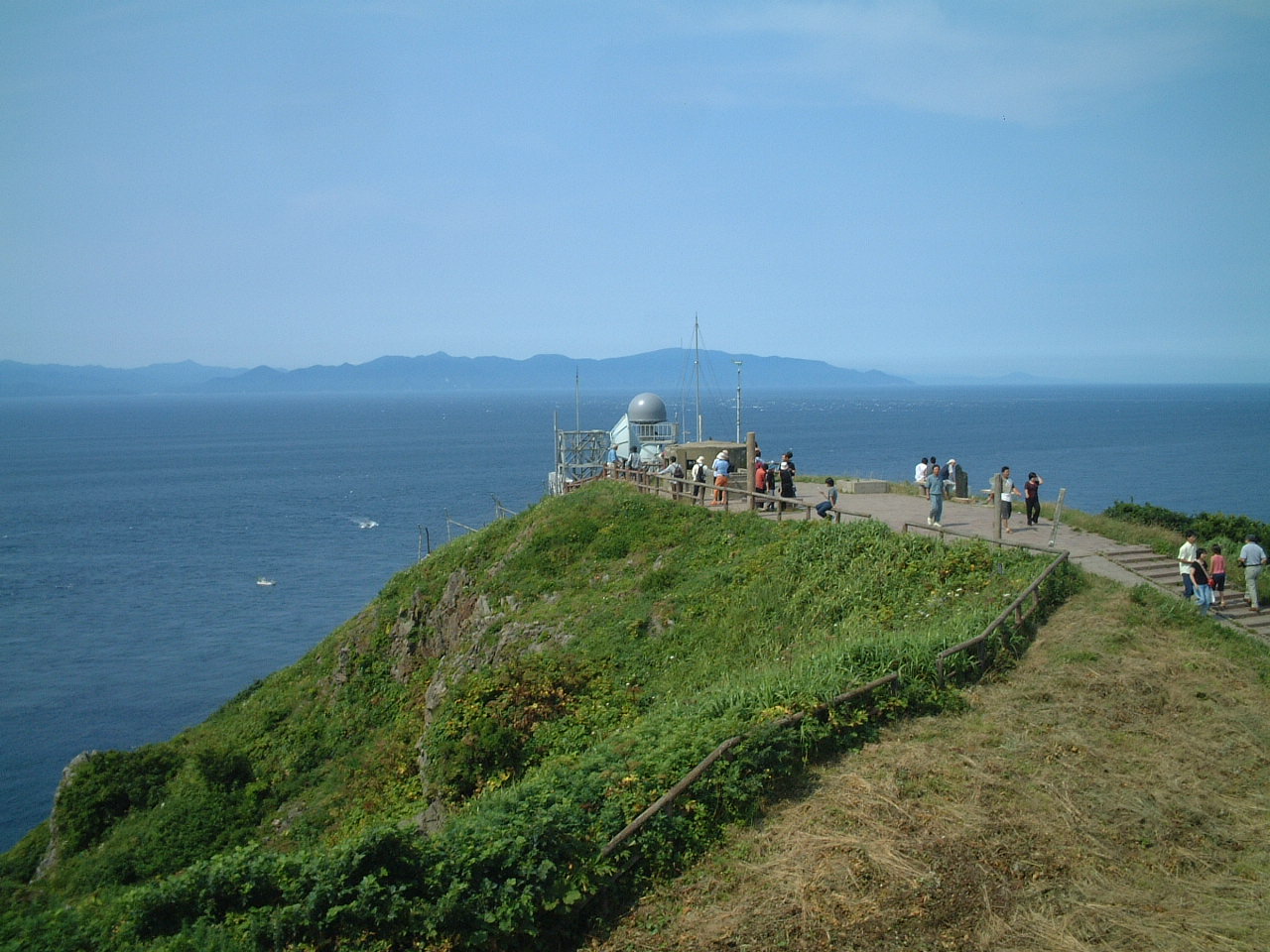
04 | Tappi-zaki — A Spectacular View Where Wild Sea Meets Sky
The sheer cliffs at the northernmost tip of the Tsugaru Peninsula command a sweeping panorama of the Tsugaru Strait (note: the true northernmost point of Honshu is Oma-zaki on the Shimokita Peninsula — a different location from Tappi-zaki). On a clear day you can even see Hokkaido. Use a wide-angle lens to capture the full drama of the sun sinking to the horizon and the sky blazing red. Secure your camera firmly — the wind here is powerful.
- Best time: Dusk to sunset (around 16:00–18:00)
- Best season: Spring through autumn (April–October)
- Access: The JR Tsugaru Line between Kanita and Minmaya is suspended due to storm damage, with replacement buses and shared taxis in operation (abandonment of this section has been filed). Buses from Minmaya toward Tappi-zaki are very infrequent, so we strongly recommend checking the latest timetables or renting a car.
05 | Mt. Hakkoda (Tamoyachi Marshland) — A Panorama in the Sky
Take the ropeway straight up to the Sancho Koen Station. From there, a short walk brings you to the Tamoyachi Marshland, where small ponds called chitou are scattered across the plateau, and the blue of the sky mingles with the green of alpine plants in perfect harmony. In the early morning when a sea of clouds rolls in, the scene feels like a heavenly realm.
- Best time: First hours after the ropeway opens (hours: 9:00–16:20, winter 9:00–15:40; arriving at the summit in early morning to catch a sea of clouds is not possible)
- Best season: The flower season in summer (July–August); autumn foliage
- Access: From JR Aomori Station, take the JRBus Tohoku "Mizuumi-go" bus to "Ropeway-mae" (approx. 1 hour), then board the Hakkoda Ropeway (approx. 10 min; adult round-trip ¥2,500, one-way ¥1,550 — fares revised 1 August 2026). The ropeway suspends service in winds of 25 m/s or more and during bad weather, and undergoes a scheduled maintenance closure in early November each year.
Aomori's spectacular scenery shows a new face every time you visit. Capture your favorite shot and share it with the world.
Practical Information for Your Visit
- Best season and time of day: For the Oirase Gorge and Lake Towada, May and June for the fresh greenery and October and November for the autumn colors. Hakkoda is mainly about alpine plants in summer and autumn foliage, and the sweet spot is within the ropeway's operating hours (the morning).
- Opening hours / operating periods: The Hakkoda Ropeway runs 9:00-16:20, and 9:00-15:40 in winter (the ride takes about 10 minutes, with departures every 15-20 minutes). It suspends operations every year in early November for scheduled maintenance, and also stops running when wind speeds exceed 25 m/s or in bad weather.
- Admission: Hakkoda Ropeway: 2,200 yen round trip and 1,400 yen one way for adults. There is no admission fee for the walking trails themselves at Lake Towada, the Oirase Gorge and Aoike Pond, but parking, sightseeing boats and the like are charged separately.
- Access: Aomori Station is linked to Hakkoda, the Oirase Gorge and Lake Towada by the JR Bus Tohoku "Mizuumi-go," but as it is a seasonal service timed to the opening of the Hakkoda-Towada Gold Line, it cannot be used in winter. On the JR Tsugaru Line, services between Kanita and Minmaya are suspended (operated by replacement buses and shared taxis, and notification of the abolition of that section has already been filed), so public transport toward Cape Tappi is very infrequent.
- Parking: Each spot has parking, but the areas around the Oirase Gorge and Lake Towada get extremely crowded in the autumn foliage season. Please check the official website of each facility for fees and availability.
- Photography rules: The Oirase Gorge and Lake Towada lie within Towada-Hachimantai National Park, and the Shirakami-Sanchi mountains fall within a World Natural Heritage area. Avoid straying from the walking trails to take photographs, collecting plants, or setting up tripods where they block other visitors, and always follow each manager's rules on flying drones.
- Safety notes: Oirase, Hakkoda and Shirakami-Sanchi are all habitats of the Asiatic black bear. Carry something that makes noise, such as a bell or a radio, and avoid going alone early in the morning or at dusk. On the heights of Hakkoda the temperature is far lower than on the plains and the weather changes suddenly. Cape Tappi is a place where strong winds and sheer cliffs come together, so never go beyond the railings. In winter, roads in the area such as the Hakkoda-Towada Gold Line are closed.
* Ropeways and buses may suspend service or change their timetables depending on the weather and the season. Always check the operating information on the official websites before you set out.
(Sources: Hakkoda Ropeway official website, "Operating hours and fares"; JR Bus Tohoku official website, "Mizuumi-go" route guide; JR East announcements concerning the Tsugaru Line)

Share this article




✍️ About this article
This article is compiled by the Tabitabi JAPAN editorial team from official and primary sources, including facility and shrine/temple websites, tourism information published by municipalities and tourism associations, and cultural-property records released by national and local governments. Prices, opening hours and event dates may change, so please also check the official information of each facility or local government before you visit.