Cape Tappi: Northern Gateway of Seikan Tunnel and Sayuri Ishikawa's Enka Landmark
Cape Tappi
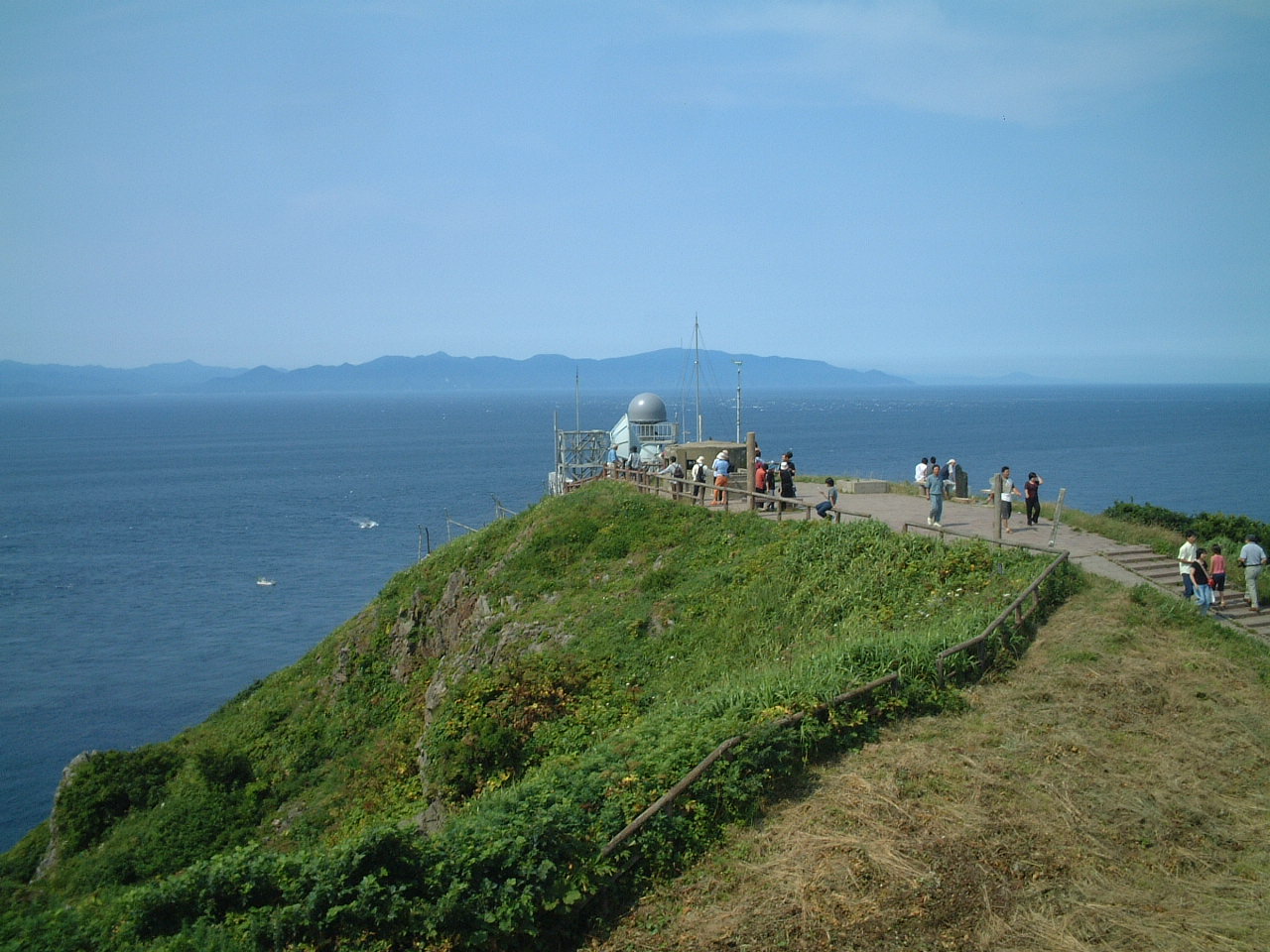
Cape Tappi at the northern tip of the Tsugaru Peninsula in Aomori is famous as the setting of Sayuri Ishikawa beloved enka song Tsugaru Kaikyo Fuyu Geshiki (Tsugaru Strait Winter Scene), and a song monument stands on the cape. The Tsugaru Strait spreads out before you, and on clear days you can see the Matsumae Peninsula of Hokkaido across the water. Known as the Cape of Wind for its constant strong gusts, its harsh yet grand nature fills visitors with the romance of the far north.
Japan Only Staircase National Highway
One of Cape Tappi signatures is the only staircase national highway in Japan, which no car can pass. Though part of National Route 339, it is a pedestrian-only path of 362 stone steps totaling about 388 meters and climbing roughly 70 meters. Its rarity draws many visitors. Hydrangeas and other flowers line the steps, and walking up and down while looking over the Tsugaru Strait is an odd experience found nowhere else. The national highway sign standing on a staircase is a popular photo spot.

Seikan Tunnel Museum
Cape Tappi lies near the Honshu side of the Seikan Tunnel (about 53.85 km long), which links Hokkaido and Honshu beneath the sea, and the Seikan Tunnel Museum sits nearby. Beyond exhibits on the tunnel history and its difficult construction, you can ride the Mogura cable car on the Tappi incline line down to the experience tunnel about 140 meters below sea level in just seven minutes, feeling the tunnel world firsthand. It is a rare place to sense the scale of this monumental project and the hardship of those who built it (the experience tunnel tour takes about 40 minutes).
Best Season, Access, and Basic Information
- Best season: Early summer to summer, with fresh green and calm seas, is easiest to visit. The wild winter scenery of the enka world is special too, but demands preparation for strong wind, cold, and snow
- By train and bus: From Minmaya Station, the terminus of the JR Tsugaru Line, take the Sotogahama town bus (Minmaya district) toward Cape Tappi, about 30 to 40 minutes, roughly 100 yen one way. Service is very infrequent, so check times in advance
- By car: A rental car lets you drive the peninsula coastline to the cape, with parking available. About two hours from central Aomori City
- Fees: Viewing the cape and staircase highway is free. The Seikan Tunnel Museum and experience tunnel charge separate admission
Practical Travel Notes
- Best season and time: Early summer to summer, with calm seas, is best. Cover the staircase highway and the observation deck together during daylight
- Avoiding crowds: Summer weekends get busy, so early mornings are calmer
- Time needed: One to two hours for the cape, staircase highway, and observation deck; about half a day including the museum experience tunnel
- Nearby real spots: The peninsula offers Kanagi in Goshogawara, tied to author Osamu Dazai, plus the Gono Line and Lake Jusan. The Hokkaido Shinkansen Oku-Tsugaru-Imabetsu Station is close, pairing well with rail travel
- Budget: Viewing the cape is free, so main costs are transport and admission to the museum and experience tunnel
- What to bring: Wind blows hard year-round, so bring a hat and jacket that will not blow away. Wear good shoes if walking the staircase highway
Tips
Cape Tappi is so windy it is called the Cape of Wind, so mind that your hat and jacket do not blow away. The staircase highway is surprisingly steep going up, so pace yourself. Buses are few, so always check the timetable or use a rental car. Confirm the experience tunnel operating status in advance to experience the site of this monumental engineering feat without waiting.
📚 Sources
For the Staircase National Highway at Tappi Cape (the pedestrian-only section of National Route 339) and the Seikan Tunnel Museum and its cable car Mogura-go to the experience shaft, information published by Sotogahama Town, related municipalities and tourism associations, and the museum is a helpful reference. Check each official source for the town bus from Minmaya Station and the experience shaft operation. Buses are very infrequent, so advance checking is essential. Fares, hours, and access may change, so please confirm with official information before you set out.
Visitor Checklist
- Estimated time needed: 1 to 2 hours for the cape, the Staircase National Highway, and the lookout. Allow about half a day to include the experience shaft at the Seikan Tunnel Museum.
- What to bring and prepare: Strong wind blows year round, so bring a hat and jacket that will not blow off. Wear comfortable shoes for the staircase highway.
- Suggested route: Tour the lookout together with the 362-step staircase highway, then head to the nearby Seikan Tunnel Museum. The experience shaft descends below sea level by the Mogura-go cable car.
- Best time of day: Bright daytime hours with a calm sea are efficient.
- Seasonal note: In winter, preparation for strong wind, cold, and snow is essential. Summer weekends crowd, so mornings are comfortable.
📍 Location & Access


Share this article


✍️ About this article
This article is compiled by the Tabitabi JAPAN editorial team from official and primary sources, including facility and shrine/temple websites, tourism information published by municipalities and tourism associations, and cultural-property records released by national and local governments. Prices, opening hours and event dates may change, so please also check the official information of each facility or local government before you visit.