
Cape Shiriya Kandachi Horses: Wild Horses Thriving in Shimokita's Harsh Winter
Kandachi Horses of Cape Shiriya
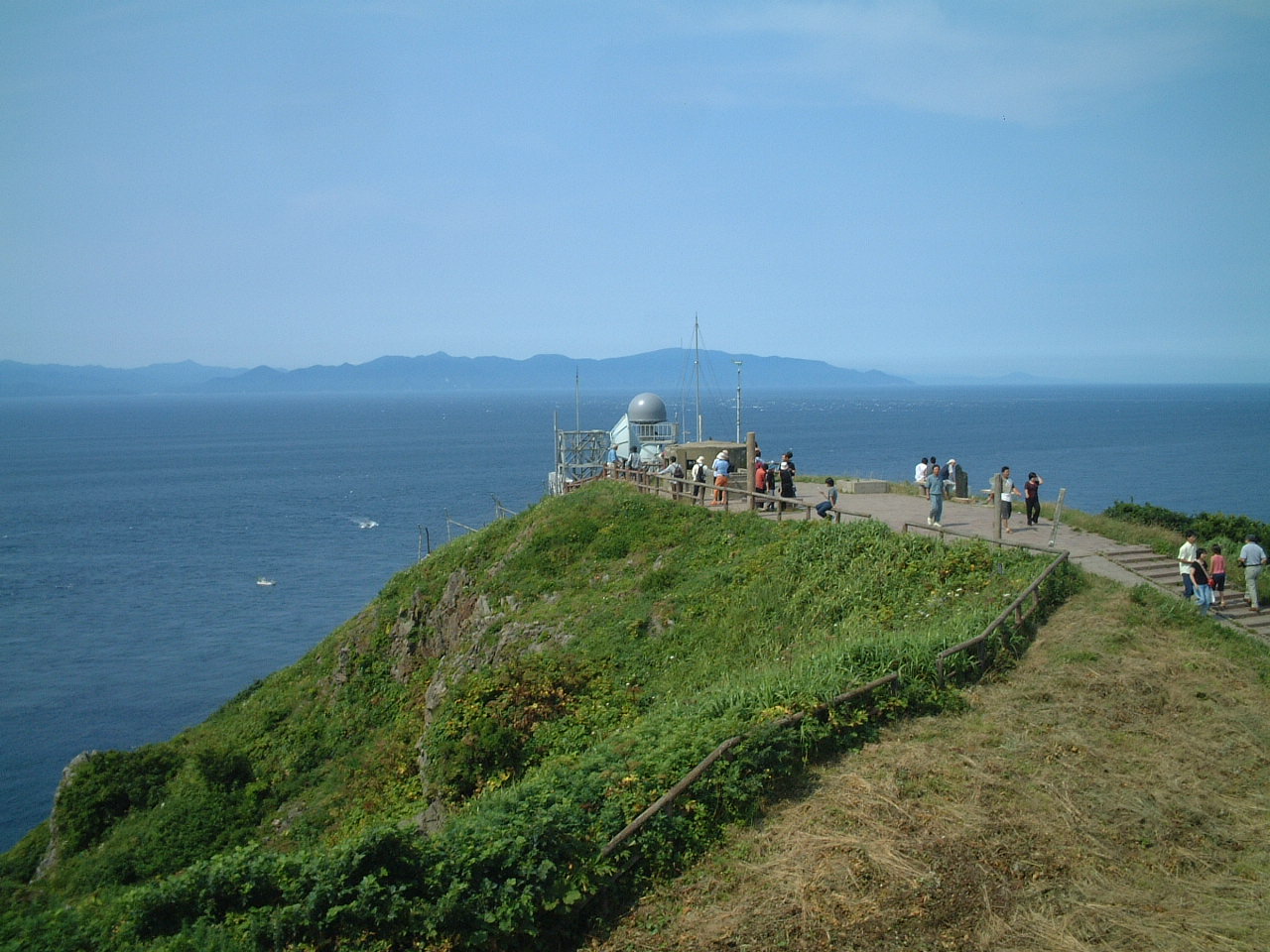
At the northeastern tip of the Shimokita Peninsula in Aomori, Cape Shiriya is a grand headland where you truly feel you have reached the far edge of Honshu. The sturdy kandachi (cold-enduring) horses grazing here beneath a white lighthouse are a hardy native-blooded breed that lives outdoors even through the freezing winter. The contrast between the peaceful grassland and the wild sea moves every visitor.
About the Kandachi Horses
The kandachi horses descend from native farm horses, robust and able to endure cold and coarse feed. Thick-bodied and short-legged, they earned the name kandachi (standing through the cold) from the way they dig through snow for grass and endure bitter winter winds. Designated a natural monument of Aomori Prefecture, their numbers fell sharply over the years but have recovered to around 30 through conservation efforts.
Cape Shiriya Lighthouse and Scenery
The lighthouse at the tip of the cape first lit in 1876 (Meiji 9) is made of brick and stands about 32.8m tall, the tallest brick lighthouse in Japan. Blue sea, a white lighthouse, and horses scattered across green grass make a picture-perfect scene. On clear days you can even glimpse Hokkaido across the Tsugaru Strait, driving home the feeling of standing at the northern edge of Honshu.
Meeting the Horses and Viewing Manners
Because the horses roam freely, you can watch them graze up close. But they live in a near-wild state, so do not approach carelessly, feed them, or touch them. Standing behind a horse risks being kicked, so keep your distance and watch quietly. In early spring when foals are born, you may see them nestled beside their mothers.
Best Season, Access, and Basic Information
- Cape gate: Generally open from spring to around November. In winter the gate closes and the horses move to a wintering pasture called Ataka. Opening periods vary by year, so confirm official information
- By bus: From the Mutsu bus terminal take the Shimokita Kotsu bus Shiriya line to the Shiriyazaki stop, about one hour. Buses run roughly May 1 to October 31 and are infrequent, so check schedules first
- By train: JR Ominato Line Shimokita Station is the gateway on the Mutsu side, with buses or taxis from there
- By car: A rental car is convenient on the Shimokita Peninsula, about 40 minutes from central Mutsu to the cape
- Fees: Viewing the cape is free (lighthouse interior open only on special days)
Practical Travel Notes
- Best season and time: Early summer with green grass and horses at the tip, or spring when foals appear. Daytime hours suit viewing
- Avoiding crowds: Parking fills on weekends and holidays, so early mornings are calmer
- Time needed: One to two hours for the lighthouse, horse watching, and a cape stroll
- Nearby real spots: The Shimokita Peninsula holds Osorezan sacred mountain in Mutsu, Hotokegaura cliffs in Sai, and Cape Oma at the northern tip of Honshu. A car is practical to tour these with Cape Shiriya
- Budget: Viewing is free, so main costs are the rental car, fuel, and admission to other sights
- What to bring: The cape is windy and cool, so bring a jacket even in summer. A telephoto lens lets you photograph the horses safely from a distance
Tips
The kandachi horses live in a near-wild state. However cute they look, do not get too close, and avoid feeding or touching them, watching quietly with a telephoto lens. In winter the gate closes and roads may ice over, so spring to autumn is the recommended time to visit. Bring a jacket against the strong wind and savor the grand scenery at the far edge of Honshu.
📚 Sources
For the Kandachime horses of Shiriyazaki (an Aomori Prefecture Natural Monument), the Shiriyazaki Lighthouse first lit in 1876, and the opening period of the cape gate, information published by Mutsu City and related municipalities and tourism associations is a helpful reference. The Shimokita Kotsu bus from the Mutsu Bus Terminal generally runs from May 1 to October 31; check the operator's official information for times. Fares, hours, and access may change, so please confirm with official information before you set out.
Visitor Checklist
- Estimated time needed: About 1 to 2 hours for the lighthouse, watching the horses, and strolling the cape.
- What to bring and prepare: The cape is windy and cool, so bring a layer even in summer. A telephoto lens lets you photograph the horses safely from a distance. The Kandachime are semi-wild, so it is good manners not to approach, feed, or touch them.
- Suggested route: While viewing the Shiriyazaki Lighthouse at the cape's tip, watch the Kandachime grazing on the grassland from a set distance. A Shimokita Peninsula tour with Osorezan, Hotokegaura, and Oma Cape is standard.
- Best time of day: Bright daytime hours suit observation. Early spring, when you may meet foals, is also appealing.
- Seasonal note: In winter the cape gate is closed and there is a risk of icy roads.
📍 Location & Access


Share this article



✍️ About this article
This article is compiled by the Tabitabi JAPAN editorial team from official and primary sources, including facility and shrine/temple websites, tourism information published by municipalities and tourism associations, and cultural-property records released by national and local governments. Prices, opening hours and event dates may change, so please also check the official information of each facility or local government before you visit.