
Kuwana Hamaguri Clams in Kuwana City: Local Food Guide
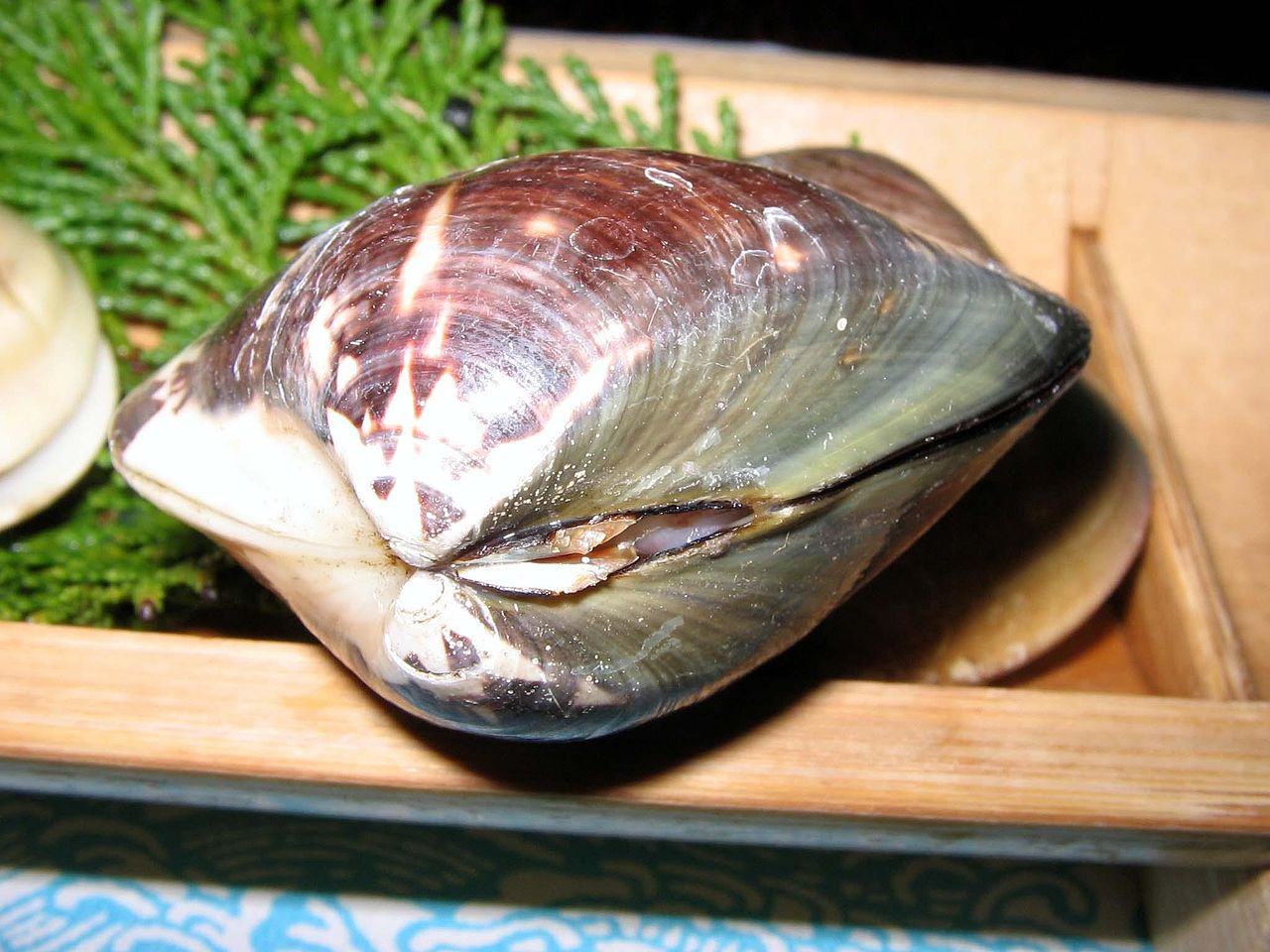
Kuwana hamaguri clams are a delicacy long known as a specialty of Kuwana City in Mie Prefecture. The estuary where the three Kiso rivers, the Kiso, Nagara, and Ibi, meet and flow into the sea is a nutrient rich environment where fresh and salt water mingle, and the clams raised here grow large with plump flesh. Kuwana clams have been widely renowned since the Edo period, even inspiring an old play on words about the grilled clams of Kuwana.
Highlights
Grilled clams are the standard way to enjoy Kuwana hamaguri. Cooked slowly over charcoal, the aroma of broth that overflows the instant the shell opens is irresistible. A single plump morsel of firm flesh with concentrated umami is pure bliss. There is also shigure ni, clams simmered in a sweet and savory sauce, perfect over rice or with tea poured over it, and popular as a souvenir. A clam clear soup fills the mouth with refined broth.
Enjoying the Seasons
Clams reach their peak in early spring, when the flesh is full and plump. Kuwana clams are especially flavorful then and are also cherished as an auspicious food around the Doll Festival. Some shops serve them year round, so you can savor the Kuwana taste anytime. In Kuwana, clams are also enjoyed in hot pots and steamed dishes.
Access and Basic Information
Kuwana City is reached via Kuwana Station, served by the JR, Kintetsu, and Yoro Railway lines, with good access from the Nagoya direction. It is linked to Nagoya in a short time and is easy to visit even on a day trip. Long established restaurants serving clam dishes can be found in the city, some with views of the estuary. By car, the road network toward Ise Bay provides access.
Practical Travel Notes
- Grilled clam meals and clam courses vary by shop and the number of dishes, and specialty restaurants often sit at a substantial price point. Souvenir items such as shigure ni are available from more affordable prices.
- Popular shops can be busy in season and on weekends, so if clam dishes are your goal, reserving or inquiring ahead brings peace of mind.
- Shigure ni keeps relatively well and is a standard Kuwana souvenir, enjoyable at home over rice or with tea poured over it.
- Kuwana also has attractions such as the site of the Shichiri no Watashi ferry crossing and Nagashima Resort, making it easy to combine sightseeing with clam dishes.
A Quick Tip
For grilled clams, eat them right after they open so the broth does not spill. Shigure ni keeps well, making it an ideal travel souvenir. Visiting in the early spring peak lets you taste plumper clams.
Sightseeing Checklist
- Budget guide: Grilled clams and other dishes cover a wide range
- Where to eat it: Specialist shops and restaurants in Kuwana City
- Best time of day: Lunch or dinner; the season is spring to early summer
- Avoiding the crowds: Weekends tend to be busy, so book or shift your timing
- Combine it with: Clams simmered in soy sauce as a souvenir, the town of Kuwana and Nagashima Onsen
📚 Sources
This article is compiled from tourism information for Mie Prefecture and information published by the individual shops. Prices, menus and seasonal availability are subject to change, so please check each shop's official information for details.
Practical Information for Your Visit
- Best season: According to Kuwana City, the season for hamaguri clams is generally said to run from around spring, before spawning, to early summer, when the meat plumps up (some restaurants serve them all year round).
- Main areas where they are served: Specialist shops and eateries around the city, centered on the Akasuka district of Kuwana City. The clams come from the brackish waters where the three Kiso rivers flow into Ise Bay.
- Resource management: The Akasuka Fisheries Cooperative has introduced catch quotas and works on seedling production, releasing juvenile clams and conserving the tidal flats. The catch, which had fallen to 0.8 tons in 1995 (Heisei 7), has recovered in recent years to around 200 tons a year. Kuwana hamaguri is a certified Mie Brand product.
- Public facility where you can try them: Hamaguri Plaza \"Shokudo Hamakaze\" (86-21 Akasuka, Kuwana City / open 11:00-13:30, last order 13:00, closed on Tuesdays, parking for 24 passenger cars and 1 bus). The grilled hamaguri set meal requires a reservation, and as numbers are limited you are advised to confirm by the day before. The facility is closed from December 29 to January 3.
- Note (clam digging): Under Mie Prefecture's rules, it is prohibited to take hamaguri with a shell length of 3 cm or less. Rakes fitted with a net or basket are prohibited regardless of size, as are methods that suck the clams out with a pump or blast them out with a jet of water.
- Note (eating): Bivalves can cause food poisoning if not cooked through, so make sure they are thoroughly heated before you eat them. When grilling clams, the hot juice easily spills out once the shell opens, so take care not to burn yourself.
Note: Opening hours and prices at individual restaurants vary, and prices may change with the market rate for hamaguri.
(Sources: Kuwana City official website, \"Only in Kuwana! All Kinds of Hamaguri Dishes,\" \"Efforts to Revive Kuwana-Grown Hamaguri\" and \"Hamaguri Plaza (Shokudo Hamakaze)\"; Hamaguri Plaza official website; Mie Prefecture official website, \"Recreational Fishing: Rules for Clam Digging\"; Mie Brand official website)
📍 Location & Access


Share this article


✍️ About this article
This article is compiled by the Tabitabi JAPAN editorial team from official and primary sources, including facility and shrine/temple websites, tourism information published by municipalities and tourism associations, and cultural-property records released by national and local governments. Prices, opening hours and event dates may change, so please also check the official information of each facility or local government before you visit.