
Osaki Furukawa: Iwadeyama Castle Town and Birthplace of Date Masamune
Osaki City in northern Miyagi's Sendai Plain is an agricultural center. The Iwadeyama area holds the ruins of Iwadeyama Castle, where Date Masamune had his stronghold for about twelve years before moving to Sendai Castle in 1591, and the town still retains historic sites tied to Masamune and the atmosphere of a samurai castle town. (For the Matsushima scenery tied to Basho in the same Osaki area, see the separate article on the mystery of Matsushima and Basho.)
Iwadeyama and Date Masamune
In 1591 Date Masamune was transferred from Yonezawa to the former Kasai-Osaki domain, and it is said that Tokugawa Ieyasu, then conducting land surveys in Oshu, renovated Iwadesawa Castle before handing it over to Masamune. At that time the place name was changed from Iwadesawa to Iwadeyama. Masamune managed his domain from here for about twelve years and developed the castle town before moving his base to Sendai from 1601. The castle site is now Shiroyama Park, with walking paths and views evoking those days.
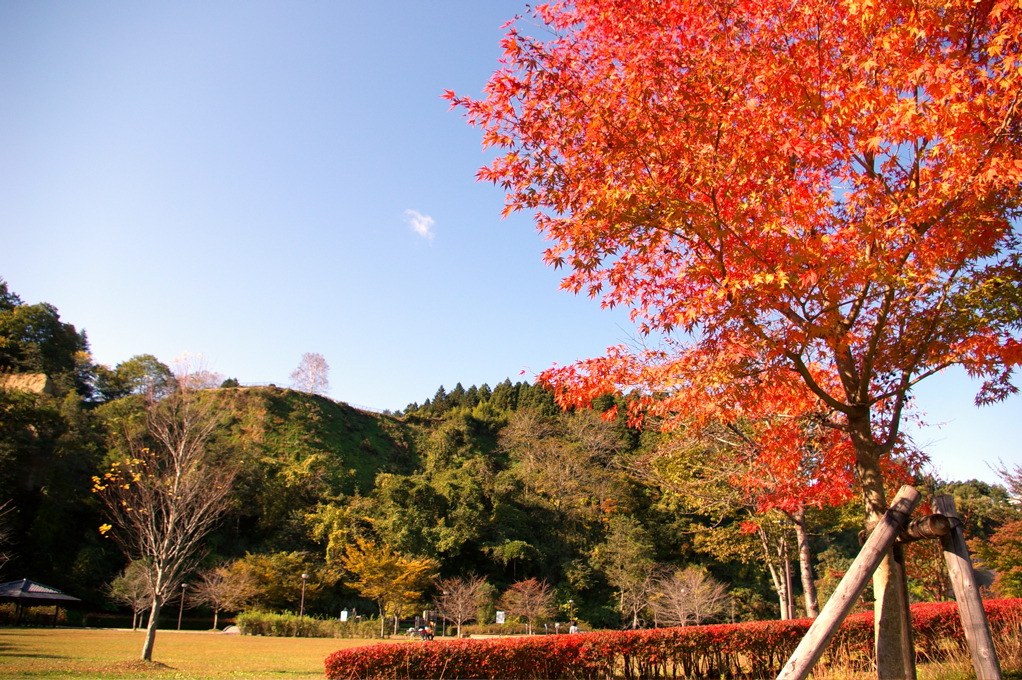
The Former Yubikan and the Castle Town
Iwadeyama preserves the Former Yubikan, a school of learning opened by the Iwadeyama Date family, retainers of the Sendai domain. It is regarded as among the oldest surviving domain-school buildings and, together with its beautiful strolling pond garden, is designated a National Historic Site and Scenic Spot.
The castle town has streets that retain traces of samurai residences and a tradition of making frozen tofu using the cold winter winds, offering a leisurely stroll through history. Each September the Masamune Festival honors Masamune (please confirm the date in official information).
Osaki Kodo and Agricultural Culture
The paddy fields across the Osaki region are called Osaki Kodo, recognized in 2017 as a Globally Important Agricultural Heritage System (GIAHS) by the UN Food and Agriculture Organization. Despite harsh seasonal winds in winter, the area is blessed with abundant water, and its traditional rice-farming landscape, protected by homestead woodlands (igune) and a skilled water-management system, earned the honor. It is also known as a producer of Sasanishiki and Hitomebore rice.
Access and Practical Information
- For the Iwadeyama area, alight at JR Rikuu East Line Yubikan Station, a short walk from the Former Yubikan, which sits right in front of the station.
- From Furukawa Station, a Tohoku Shinkansen stop, transfer to the JR Rikuu East Line toward Yubikan Station.
- By car, allow about one hour from central Sendai via the Tohoku Expressway. Parking is available near Shiroyama Park and the Yubikan.
- Hours and admission for the Former Yubikan may change, so checking official information before visiting is recommended.
Practical Travel Notes
- Best season and time: Spring, when cherry blossoms adorn Shiroyama Park and the Yubikan garden, and autumn, when foliage colors the garden, are especially recommended. The garden photographs well in the soft light of morning or evening.
- Time needed: A stroll around the Former Yubikan and Shiroyama Park takes half a day; adding a castle-town walk and local flavors such as frozen tofu fills a full day.
- Avoiding crowds: Weekends at the peak of cherry blossom and autumn foliage get busy, so weekdays or early hours are better.
- Nearby real spots: Naruko Onsen (a noted hot-spring area reachable along the Rikuu East Line), central Furukawa, and the rural scenery of Osaki Kodo. Combining with Sendai Castle and Matsushima as a Masamune-themed tour is also popular.
- Budget sense: Admission to the Former Yubikan is modest, and the castle-town walk itself can be enjoyed at low cost.
A Word of Advice
The Former Yubikan garden is especially fine during the cherry blossom and autumn foliage seasons. Continuing west on the Rikuu East Line reaches the noted Naruko Onsen, so a short trip combining a historical walk with hot springs is recommended. Train frequency is limited, so checking the timetable in advance is reassuring.
📚 Sources
This article is edited from publicly available sightseeing guidance published by the city of Osaki and Miyagi Prefecture, public information on the former Yubikan and Shiroyama Park and the Iwadeyama castle town, and guidance for the Naruko hot spring villages and the Osaki koudo farmland. That Iwadeyama is a place tied to Date Masamune is based on widely known history and public information. The former Yubikan viewing hours, castle-town guidance, and train and access conditions may change, so please confirm official information before visiting.
Visitor Checklist
- Time needed: Half a day to stroll the former Yubikan and Shiroyama Park; a full day if you add a walk through the castle town and local tastes such as frozen tofu.
- What to prepare: You will walk the castle town and Shiroyama Park, so comfortable shoes add comfort.
- Getting there: Reach Iwadeyama and Furukawa by rail; check timetables in advance.
- Suggested route: Stroll the former Yubikan and Shiroyama Park, then walk the Iwadeyama castle town and enjoy local tastes.
- Nearby together: There are the Naruko hot spring villages, central Furukawa, and the Osaki farmland scenery, and a Masamune-linked tour combining Sendai Castle and Matsushima is also standard.
📍 Location & Access


Share this article


✍️ About this article
This article is compiled by the Tabitabi JAPAN editorial team from official and primary sources, including facility and shrine/temple websites, tourism information published by municipalities and tourism associations, and cultural-property records released by national and local governments. Prices, opening hours and event dates may change, so please also check the official information of each facility or local government before you visit.