
Shiroishi Umen: Traditional Fine Short Noodles Made Without Oil
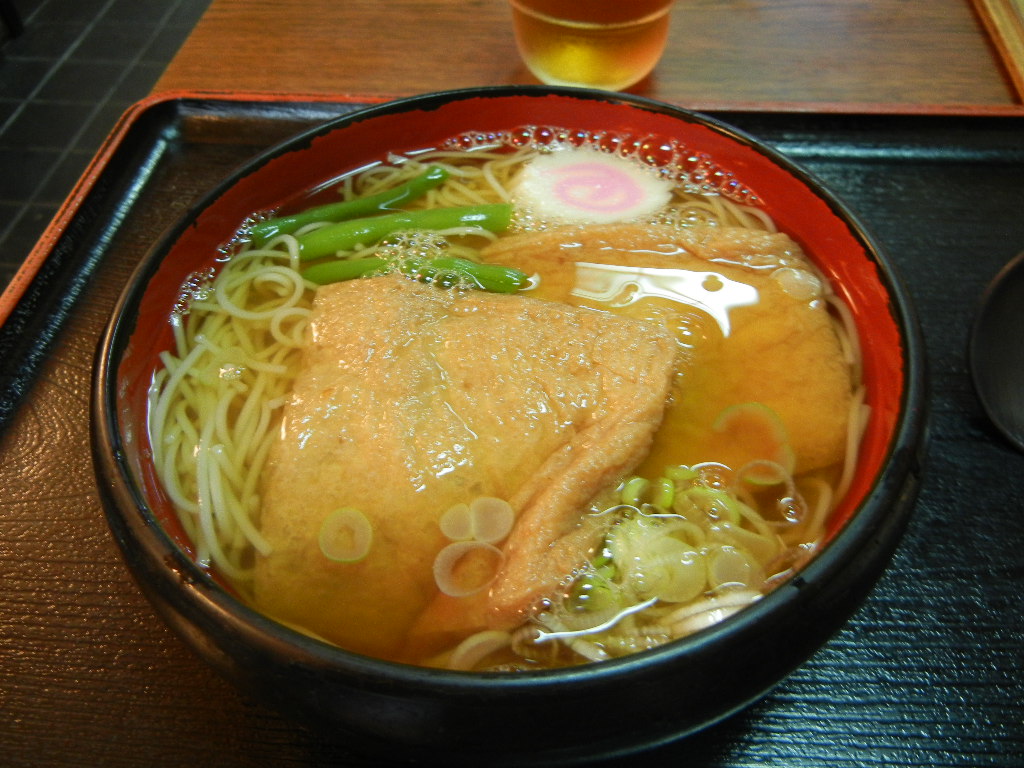
Shiroishi umen, a local food long handed down in Shiroishi, Miyagi, is a traditional noodle with a history of more than 400 years since the early Edo period. Its greatest feature is that no oil at all is used in making it, unlike ordinary somen, and at about 9 centimeters the noodles are short and easy on digestion. Its origin is told as a tale of filial piety: a son made oil-free noodles for his father, who suffered from a stomach ailment, and the Shiroishi Castle lord Katakura Kojuro is said to have praised that devotion and named it umen.
Oil-Free Method and Short Noodles
The method for Shiroishi umen is distinctive: dough is made from only wheat flour and salt water, then stretched thin and long without using oil. Because no oil is used, it is light and smooth on the palate and gentle on the stomach. Being short at about 9 centimeters is said to reflect care so that even the ill could eat it easily. It cooks quickly and simply, a noodle rooted in Shiroishi life and long enjoyed at home.
Warm Umen and Cold Umen
Shiroishi umen can be eaten in many ways. In the cold season, warm umen in a broth flavored with soy sauce or bonito stock warms the body to the core. In summer, cold umen with chilled broth or sesame sauce is popular for a refreshing taste. Local shops offer bowls rich in regional character, topped with mushrooms, wild vegetables, or fried tofu, and menus served with walnut sauce, letting you savor flavors unique to Shiroishi.
Access and Practical Information
- The gateways are JR Tohoku Main Line Shiroishi Station and Tohoku Shinkansen Shiroishi-Zao Station. Specialty shops and eateries serving umen are scattered around the city.
- Shiroishi Castle is within walking distance of Shiroishi Station. A classic plan is to taste umen alongside a castle-town stroll.
- Dried umen for souvenirs can be bought around the station, at roadside stations, and at local noodle makers, letting you recreate the authentic taste at home.
- Hours and closing days vary by shop, so checking before visiting is reassuring.
Practical Travel Notes
- Best season and time: Since it can be enjoyed warm or cold, it is worth visiting in any season. Warm umen suits cold periods and cold umen suits summer. Popular shops are busy at lunch, so a little earlier or later is better.
- Time needed: A umen meal plus a stroll around Shiroishi Castle and the samurai residences takes half a day to a full day; touring the castle town at leisure is rewarding.
- Avoiding crowds: Around Shiroishi Castle gets busy at peak cherry blossom and autumn foliage and on holidays, so weekdays or early hours are recommended.
- Nearby real spots: Shiroishi Castle (home of the Katakura family, with a wooden keep, the three-story turret, reconstructed in 1995), the samurai residence (former Kozeki house), and hot-spring areas in the Zao mountains.
- Budget sense: Umen is a local noodle enjoyed at a reasonable price. Dried-noodle souvenirs are easy to buy, and the castle-town walk itself can be enjoyed at low cost.
A Word of Advice
Shiroishi umen can be enjoyed year round, warm or cold, so it is worth visiting in any season. Tasting the local noodle alongside a stroll through the castle town, including Shiroishi Castle and the samurai residences, is recommended. Since dried noodles keep well, buying them as a souvenir to round off your trip is a good idea.
📚 Sources
The oil-free production method of Shiroishi umen, its short noodles of about nine centimeters, and the naming anecdote tied to Katakura Kojuro introduced in this article are organized based on tourism and specialty information published by Shiroishi City and the city tourism association, along with information from local noodle makers and eateries. How to enjoy it alongside a stroll through the castle town draws on public information from official bodies. Because each shop business hours and closed days, and the opening status of Shiroishi Castle, may change, please confirm official information before you visit.
Visitor Checklist
- Time estimate: About half a day to a full day for an umen meal plus a stroll around Shiroishi Castle and the samurai residences. Taking your time in the castle town makes it fulfilling.
- What to prepare: Comfortable walking shoes for the castle town. If you buy dried noodles as a souvenir, a carry bag is handy.
- Best timing: It can be enjoyed hot or cold, so any season works. Popular shops are busy at lunchtime, so slightly earlier or later hours are ideal.
- Suggested route: Starting from Shiroishi Station, savor umen, then head to nearby Shiroishi Castle and the samurai residence (former Ozeki house). Dried noodles as souvenirs are sold near the station, at roadside stations and at noodle makers.
Practical Information for Your Visit
- Opening hours of Shiroishi Castle and the samurai residence: 9:00-17:00 from April to October, and 9:00-16:00 from November to March (last entry 30 minutes before closing)
- Closed days: December 28 to December 31
- Admission: Shiroishi Castle costs 400 yen for general visitors and 200 yen for elementary, junior high and high school students; the samurai residence costs 200 yen for general visitors and 100 yen for elementary, junior high and high school students. A combined ticket for Shiroishi Castle, the 3D high-definition theater and the samurai residence costs 800 yen for general visitors and 400 yen for elementary, junior high and high school students (free for preschool children; group rates available for parties of 20 or more)
- Parking: Joka Hiroba car park (81 ordinary cars and 7 large vehicles), Masuoka Park car park (46 ordinary cars) and the samurai residence car park (about 20 ordinary cars)
- Access: About 15 minutes on foot from Shiroishi Station on the JR Tohoku Main Line to Shiroishi Castle, about 5 minutes by car from Shiroishi-Zao Station on the Tohoku Shinkansen, or about 10 minutes from the Shiroishi IC on the Tohoku Expressway
- Guided tours: The Shiroishi Castle volunteer tourist guides are available only on Saturdays, Sundays and public holidays from April to November, from around 9:00 a.m. to 3:00 p.m. (apply at the Shiroishi Castle management office)
- About umen noodles: A type of somen noodle made without oil, about 9 cm long and 0.3 mm thick. According to tradition, they take their name "umen" (warm noodles) from Shiroishi's lord Katakura Kojuro, who named them after a tale of filial piety in which a son made oil-free noodles for his father, who had a weak stomach.
* The opening hours, closed days and parking fees of the individual restaurants serving umen vary from shop to shop. Please check each shop's official information before visiting.
(Sources: Shiroishi City Culture and Sports Promotion Foundation "Shiroishi Castle" official website; Ministry of Agriculture, Forestry and Fisheries "Illustrated Guide to Japan's Traditional Foods," Shiroishi umen)
📍 Location & Access


Share this article


✍️ About this article
This article is compiled by the Tabitabi JAPAN editorial team from official and primary sources, including facility and shrine/temple websites, tourism information published by municipalities and tourism associations, and cultural-property records released by national and local governments. Prices, opening hours and event dates may change, so please also check the official information of each facility or local government before you visit.