Marubouro: A Local Food Guide for Visitors (Saga)
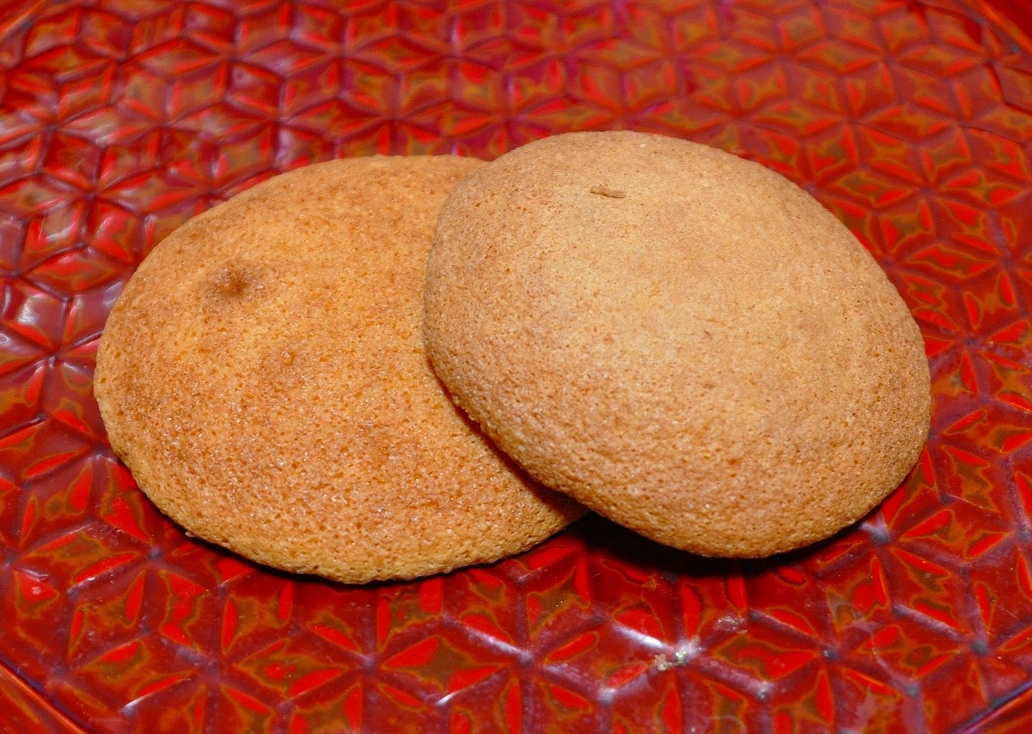
Marubouro is a signature soul sweet of Saga, made by kneading flour, egg, and sugar and baking it into a round shape. Marked by a soft texture and a gentle sweetness, it is humble yet somehow nostalgic. Its roots are said to lie in Nanban confectionery brought from Portugal, and the name bouro is said to derive from a Portuguese word meaning baked sweet. In the Edo period, the method that arrived by way of Nagasaki was passed to Saga confectioners, taking hold as a famed local sweet.
When it first came to Japan, Japanese wheat different from the Portuguese kind was used, so even with the same method it changed into a distinct confection. The marubouro of Saga that continues today is said to have been perfected around the late seventeenth century. Loved across generations, it is essential to the tables of Saga.
Highlights

Marubouro is deeply tied to the history of the Nagasaki Kaido, the road called the Sugar Road that spread sugar culture across the land. In 2020 this road was recognized as a Japan Heritage under the theme of the Nagasaki Kaido Sugar Road that spread sugar culture, and marubouro is one of the sweets that tells its story. Along this road, sugar and Nanban confectionery techniques traveled, and marubouro took root in Saga. The city has long-established confectioners such as Kitajima, Tsuruya, and Chidoriya, each differing in dough blend and degree of baking. From moist styles to fluffy ones, comparing the character of each shop is one way to enjoy it.
Enjoying the Seasons
Marubouro is cherished year round, but a moment paired with warm tea offers special comfort in the cold season. Dipped in milk or coffee, it takes on a different, softer mouthfeel. Its humble sweetness is favored widely from children to the elderly, serving well as an everyday treat and as hospitality for guests.
Access and Basic Information
Marubouro is sold widely at confectioners and souvenir shops in Saga City, and is available around Saga Station as well. At the direct shops of long-established makers, you may encounter marubouro close to freshly baked. Many individually wrapped varieties keep well, making them suitable to bring home as a travel gift.
A Quick Tip
Marubouro pairs excellently not only with green tea but with milk and coffee. Warming it slightly lifts its aroma and enhances the fluffiness. If it hardens, a brief dip in a warm drink restores its softness so you can enjoy it to the last.
Practical Travel Notes
- Marubouro is a sweet that tells the story of the Sugar Road, the Nagasaki Kaido that became a Japan Heritage in 2020. Tasting it in connection with this historic road along which sugar traveled enriches its meaning as a bite of your trip.
- The city is known for long-established makers such as Kitajima, Tsuruya, and Chidoriya, each differing in dough blend and degree of baking. Comparing moist and fluffy styles to find your favorite piece is recommended.
- Many individually wrapped varieties keep well, making them good souvenirs. If it hardens, a brief dip in milk or coffee restores its softness, so you can enjoy it to the last.
Sightseeing Checklist
- Budget guide: From just over a hundred yen each, with bags and boxes too
- Where to eat it: Confectioners and long-established shops in Saga City, and souvenir shops around the prefecture
- Best time of day: During the day, as a snack or a gift
- Avoiding the crowds: An easy-to-buy standard souvenir, though popular shops can sell out
- Combine it with: The texture when freshly baked, enjoying it with Saga tea, and a walk around the old castle town of Saga
📚 Sources
This article is compiled from tourism information for Saga Prefecture and information published by the individual shops. Prices, menus and seasonal availability are subject to change, so please check each shop's official information for details.
📍 Location & Access


Share this article



✍️ About this article
This article is compiled by the Tabitabi JAPAN editorial team from official and primary sources, including facility and shrine/temple websites, tourism information published by municipalities and tourism associations, and cultural-property records released by national and local governments. Prices, opening hours and event dates may change, so please also check the official information of each facility or local government before you visit.