
Ibaraki Food Guide: Natto, Ankou Nabe & Musk Melon
Nurtured by rich land and the bounty of the Pacific, Ibaraki Prefecture is a treasure house of local specialities the whole country knows. The straw-wrapped natto of Mito, known as the "town of natto"; ankou nabe, the king of winter flavours; and melons, of which Ibaraki produces more than any other prefecture — the harvests of both farm and sea are all here. Rustic, deeply satisfying flavours that make the most of good ingredients are the great appeal of Ibaraki's cuisine. From the coast to the inland farming country, this is a prefecture full of the pleasure of eating, where each district offers its own distinctive specialities.
Mito Natto, from the Town of Natto
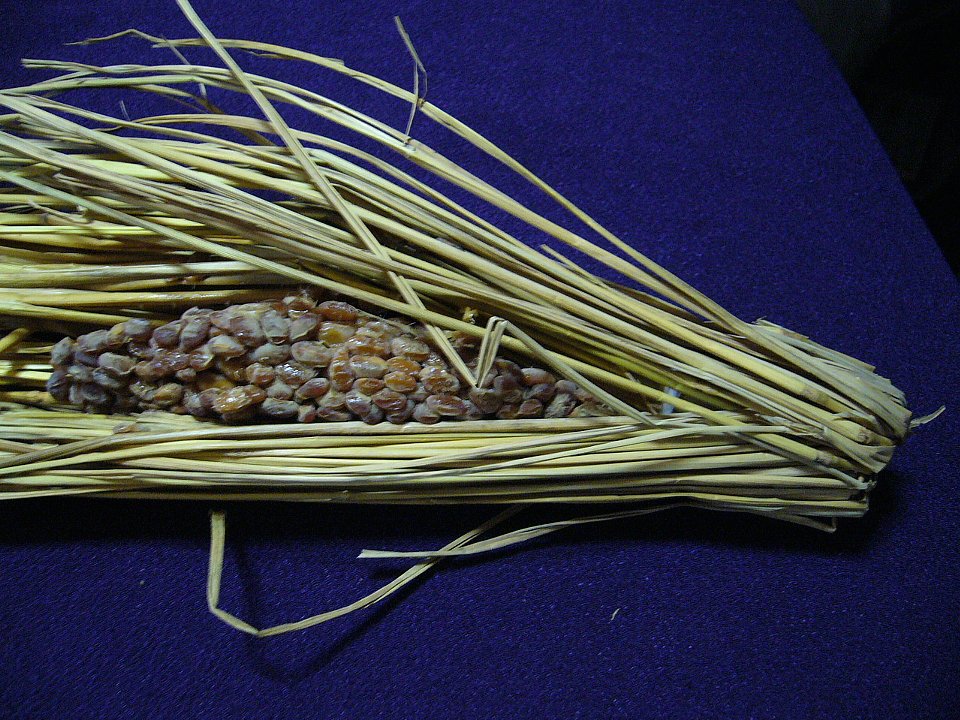
The first thing that comes to mind with Ibaraki food is Mito natto. According to Mito City, in the Edo period the area around Mito grew large quantities of early-ripening "small-grain soybeans" that stood up well to flood damage, and the making of warazuto natto — boiling these beans, wrapping them in straw and fermenting them — flourished. When the Mito Railway (today's JR Joban Line) opened in the Meiji era, the small-grain natto sold at the stations won a reputation among travellers and spread the name of Mito. The small beans cling well to rice, and straw-wrapped natto is cherished as a souvenir unique to Mito. Roadside stations and local product halls stock everything from small-grain to large-grain natto, and it is very popular as a gift. Eaten on freshly cooked rice, natto in its home town is exceptionally good.
Ankou Nabe, the King of Winter Flavours
The dish that represents Ibaraki's winter is ankou nabe (monkfish hotpot). The monkfish caught off the Ibaraki coast is said to have nothing to throw away except the bones, and seven parts — flesh, skin, stomach, liver, ovaries, gills and fins — are known as the "seven tools." The hotpot, into which melts the umami of the liver, sometimes called the "foie gras of the sea," is superb, warming you from the core in the cold season. Dobujiru, in which the liver is dry-fried directly in the pot, miso is added, and everything is simmered using only the moisture released by the monkfish and the vegetables, without water or dashi, is a rich local dish handed down in the fishing town of Hirakata in northern Ibaraki. If you visit Ibaraki in winter, this is a dish not to be missed.
Because the monkfish has such a soft body and is hard to butcher on a chopping board, it has traditionally been broken down while suspended, in a technique called tsurushi-giri ("hanging cut"). At sightseeing facilities and events in winter this hanging cut is sometimes demonstrated, and the sight of the seven tools being removed one after another with each stroke of the knife stays with you long before you eat the hotpot. Whether a demonstration is held differs from facility to facility, so check in advance if you want to build one into your itinerary.
Another National Number One: Hoshi-imo
In addition to natto, monkfish and melons, Ibaraki has one more speciality it is known for nationwide: hoshi-imo, dried sweet potato, a winter food.
According to Ibaraki Prefecture, the prefecture's share of national hoshi-imo production is about 90 per cent. Most of it is produced in Hitachinaka City, Tokai Village and Naka City along the Pacific coast. Long spells of clear winter weather and the sea breeze that aids drying made the environment ideal for making hoshi-imo, and the area grew into a major production centre. Ibaraki Prefecture also ranks first in Japan by agricultural output value for the sweet potatoes that are the raw material.
The prefecture has designated 10 January as "Hoshi-imo Day." There are three reasons given: that stacking the Chinese numerals for one and ten forms the character for "dried" (干); that the important saccharification (toka) step in making hoshi-imo puns on the tenth day (toka); and that the best-tasting hoshi-imo can be eaten from this time of year. In other words, midwinter is exactly when hoshi-imo is at its best.
The Pleasure of Choosing Variety and Shape
Because this is the production centre, shops carry a surprising number of types. The main varieties listed by Ibaraki Prefecture are as follows.
- Beni Haruka: the most popular variety in recent years. Strongly sweet, with a moist, soft texture and a vivid golden colour.
- Silk Sweet: the next most popular after Beni Haruka. Low in fibre, with a silky mouthfeel and refined sweetness.
- Tamayutaka: a traditional variety that has walked alongside the history of hoshi-imo, with an old-fashioned, nostalgic flavour.
- Izumi No. 13: a rare variety that is difficult to grow and little distributed. Very sticky and rich, with a devoted following.
- Others include Hoshi Akane, Fuku Murasaki and Purple Sweet Road, in orange and purple varieties.
The differences in shape are not to be overlooked either. There is the standard hirabashi, thinly sliced; the precious marubashi, in which small sweet potatoes are dried whole; and the easy-to-eat kakugiri (cubes) and hitokuchi saizu (bite-sized). Even within the same variety, a change of shape changes both taste and texture. At farm stands and roadside stations in the production areas, being able to taste and compare these combinations of variety and shape is the greatest luxury of all.
Ibaraki's Table Through the Five Senses
With warazuto natto, the experience begins with untying the straw. As you unwrap it with your fingers, an aroma like dried grass mixed with the smell of fermentation rises up, and when you lift the small beans with chopsticks they draw fine threads. Ankou nabe begins with the rich smell of miso and liver filling the room along with the steam; the skin is springy and the flesh breaks apart easily with chopsticks. Hoshi-imo offers the sweet scent of sweet potato the moment you open the bag, and a sticky texture that emerges the more you chew. Lightly toasted, the surface becomes fragrant and it shows another face entirely.
How to Tour by Area
- Mito area: the home of natto. Straw-wrapped and small-grain natto line the shelves of local product halls and roadside stations in the city. Combine it with Kairakuen.
- Coastal area (Oarai, Kitaibaraki, Hirakata, Nakaminato and others): the home of monkfish. Large catches are landed at fishing ports such as Hirakata, Otsu, Kuji and Nakaminato, and ryokan and minshuku serving ankou nabe are concentrated here. Pairing it with an overnight stay is the standard approach.
- Hitachinaka City, Tokai Village, Naka City: the great hoshi-imo production area. In winter farm stands line the roads, and you can find varieties available only where they are grown.
- Melon-growing areas: early-summer melons reach their peak in May and June, when farm stands and pick-your-own farms are busy.
Photography Tips
- With ankou nabe, the steam is the star. Sitting where the light comes from the far side of the pot (slightly backlit) makes the steam glow white in the picture. Not using a flash preserves the steam better.
- With warazuto natto, stopping with the straw about half unwrapped and shooting from diagonally above brings out the contrast between the texture of the straw and the sheen of the beans.
- With hoshi-imo, the golden colour is everything. Placing it against natural light by a window, as if letting the light through, brings out an amber translucency.
- At farm stands and restaurants it is good manners to ask before taking photographs. At fishing ports, shoot from a position that does not get in the way of work.
Stamina Ramen
A Tsuchiura and Mito speciality — fried pork, cucumber and garlic in a sweet chilli sauce served over ramen.
Best Season and Access
Ankou nabe is in season in winter (around November to March), melons peak with the early-summer crop in May and June (shipments continue until around October), and natto can be enjoyed all year round. Visiting in step with the seasons lets you enjoy Ibaraki's food at its best. For access, JR Joban Line "Mito Station" is convenient if you are based in Mito City, and the home of ankou nabe is the coast, in places such as Oarai and Kitaibaraki. Combine sightseeing at Kairakuen and Aqua World Ibaraki Prefectural Oarai Aquarium with a food tour of the sea and land bounty Ibaraki is proud of.
Practical Information
- Monkfish season: Monkfish caught off the Joban coast are known as "Joban-mono," and the very best season is around November to March, when the water temperature falls and the liver grows large. Within the prefecture, large catches are landed at fishing ports such as Hirakata, Otsu, Kuji and Nakaminato.
- The seven tools: It is said that nothing but the bones is thrown away, and the seven parts — flesh, skin, stomach, liver, ovaries, gills and fins — are called the "seven tools."
- Dobujiru: A fishermen's dish of Hirakata in northern Ibaraki. The monkfish liver is dry-fried directly in the pot and miso is added, then everything is simmered using only the moisture released by the monkfish and vegetables, with no water or dashi added.
- Melons: Ibaraki Prefecture ranks first in Japan for production, with 34,600 tonnes in the 2024 crop year (126,000 tonnes nationwide), a national share of about 25 per cent. Early-summer melons reach their peak in May and June, and various melons can be enjoyed until around October. The main varieties are the prefecture's own "Ibara King," as well as "Andes," "Quincy" and "Otome."
- Mito natto: According to Mito City, the area around Mito grew large quantities of early-ripening "small-grain soybeans" that stood up well to flood damage, and the making of warazuto natto — boiling these beans, wrapping them in straw and fermenting them — flourished. The small beans are characterised by the way they cling to rice.
- Note for those on medication: People taking warfarin (an anticoagulant) are advised to avoid natto, chlorella products and aojiru green juice. This is because the vitamin K in natto and the natto bacteria weaken the effect of the medicine, and the effect lasts for several days. If this applies to you, be sure to consult your doctor or pharmacist.
- Note on allergies: Monkfish, the main ingredient of ankou nabe, is a fish, but soy and wheat may be used in the hotpot's dashi and in processed products.
*Opening hours and prices at individual shops and ryokan vary from establishment to establishment. Because the period during which ankou nabe is served changes with supply, booking and checking in advance is recommended.*
*(Sources: Ibaraki Prefecture official website, "Ibaraki Melon Feature"; Kitaibaraki City Tourism Association official website, "Monkfish Feature"; Mito City website, "Mito, the Town of Natto"; Pharmaceuticals and Medical Devices Agency (PMDA), Q&A on Medicines for Patients)*
📍 Location & Access




Share this article


✍️ About this article
This article is compiled by the Tabitabi JAPAN editorial team from official and primary sources, including facility and shrine/temple websites, tourism information published by municipalities and tourism associations, and cultural-property records released by national and local governments. Prices, opening hours and event dates may change, so please also check the official information of each facility or local government before you visit.