
Yudofu: Kyoto Hot Tofu of Nanzenji Temple
Yudofu is a Kyoto winter specialty in which soft tofu is gently warmed in a kelp broth and enjoyed lightly with citrus sauce and condiments. It is said to have begun as temple vegetarian cuisine, spreading after teahouses near Nanzenji Temple served it to travelers. The smooth texture owes much to Kyoto's rich underground water.
Highlights
- Long established specialty shops line the Nanzenji area, many with garden views
- Its simplicity lets the natural sweetness and aroma of the tofu shine
- Course style meals add sesame tofu and other vegetarian dishes
Enjoying the Seasons
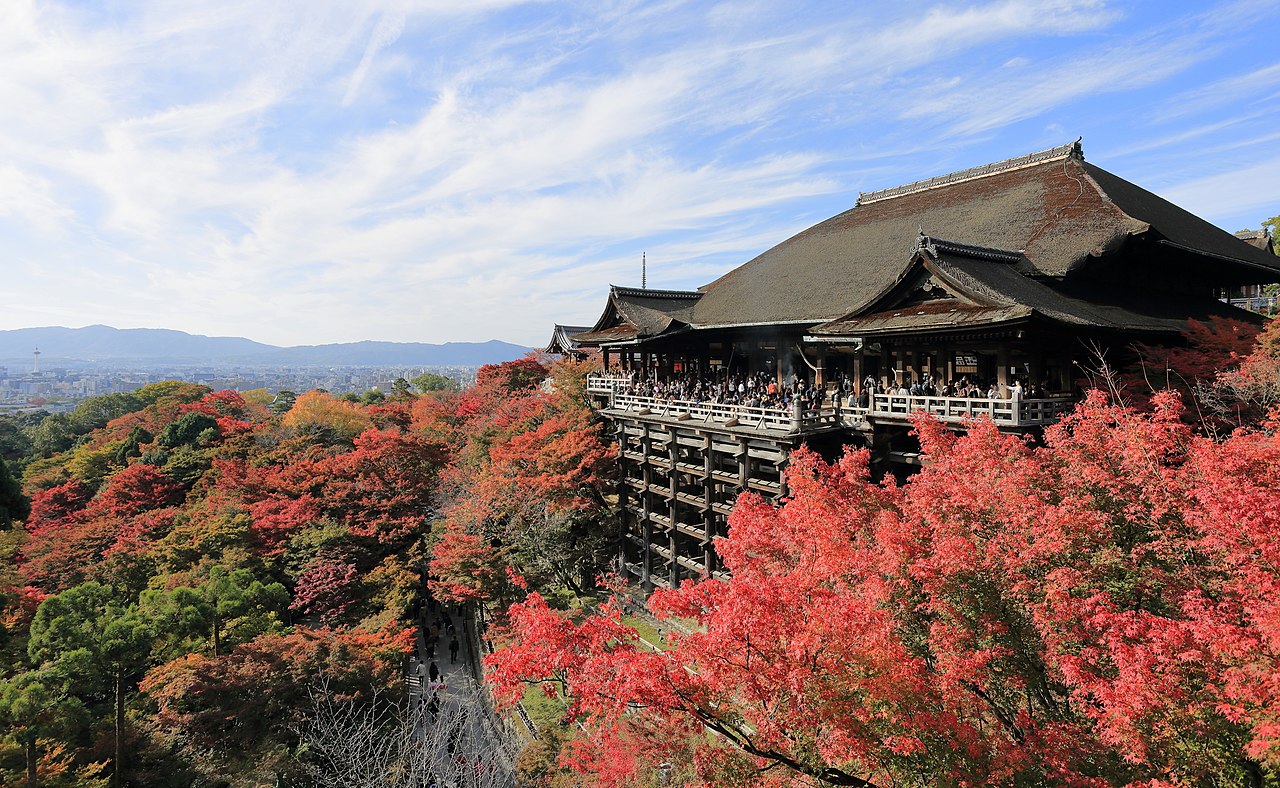
Autumn into winter is the true season for yudofu. Gathering around a steaming pot makes even the famous Kyoto chill feel pleasant. A bowl after strolling Nanzenji amid autumn foliage is especially fine, and pairing it with snowy scenery is also recommended.
Access and Basic Information
- Area: long established specialty shops gather before the gate of Nanzenji in Sakyo Ward, and Arashiyama has noted shops too.
- Access: about a 10 minute walk from Keage Station on the Tozai subway line to Nanzenji. For Arashiyama, the JR Sagano Line or Hankyu Arashiyama Line is handy.
- Budget guide: a lunch set at a Nanzenji gate specialty shop runs roughly from the three thousand yen range, and shops overlooking a garden also offer course meals from the four thousand yen range and up, varying by shop.
- Format: the standard is a set or course of yudofu with sesame tofu, vegetarian tempura, rice, and pickles.
Practical Travel Notes
- Popular shops crowd at lunchtime, especially in the foliage season. Where reservations are taken, booking ahead is reassuring; for shops without reservations, aiming for right after opening is smoother.
- Sets are often modest in volume, so pairing a sweet shop afterward raises satisfaction.
- Interiors can have cobblestones, steps, and garden facing seats that feel chilly. In winter, comfortable shoes and warm clothing make the visit pleasant.
- Varying the condiments among ginger, green onion, and yuzu lets you enjoy shifting flavors and keeps each bite fresh to the end.
- Combining it with a walk to the Sanmon gate and aqueduct of Nanzenji or the foliage of Eikando makes for a full day.
A Quick Tip
Popular shops crowd at lunchtime, so reservations are wise during the autumn leaf season. Pair it with a stroll to Nanzenji or Eikando, and vary the condiments to keep each bite fresh to the end.
Practical Information for Your Visit
- Area: In front of the gate of Nanzenji Temple, Sakyo Ward, Kyoto City. About a 5-minute walk from Keage Station on the subway Tozai Line
- Are reservations needed?: Some restaurants take reservations, while others seat guests in order of arrival. If you want to be sure of a table during the autumn foliage season or at lunchtime on a weekend, check by phone or on a booking site in advance
- Budget guide: At Nanzenji Junsei, lunch is generally in the 3,000-yen range and dinner in the 4,000-yen range. The standard is a set meal or kaiseki course in which the yudofu is accompanied by sesame tofu, vegetarian tempura, rice and pickles
- An example of opening hours: Nanzenji Junsei is open 11:00-21:30 (last order 20:00), with irregular closing days
- Busiest periods: The autumn foliage season from late November to early December is the most crowded. Waits are likely between 12:00 and the 13:00 hour at lunch, so just after opening or after 14:00 is your best bet
- Payment methods: Larger restaurants often accept cards and electronic payment, while smaller ones may be cash only. It is reassuring to have a small amount of cash with you
- Parking: Restaurants in front of the temple gate often have no parking of their own, so you will use a coin parking lot nearby
- Nanzenji visiting hours: 8:40-17:00 from March 1 to November 30, and 8:40-16:30 from December 1 to February 28 (in both cases reception closes 20 minutes before the end). General visiting is suspended from December 28 to 31
- Nanzenji admission: The temple grounds and the Suirokaku aqueduct are free of charge. The Hojo Garden costs 600 yen, the Sanmon gate 600 yen and Nanzen-in 500 yen (all general admission)
- How long to allow: 1 hour to 1 hour 30 minutes for the meal, and about 1 hour to visit Nanzenji. Allowing half a day for both gives you room to spare
- In the rain: The meal is indoors, so it is unaffected. The Sanmon gate and Suirokaku aqueduct at Nanzenji are outdoors, so you will need rain gear
- Footwear and clothing: The road in front of the gate is paved with stone, and the upper storey of the Sanmon gate is reached by steep stairs. Wear comfortable shoes. In winter the tatami rooms facing the garden get cold, so dress warmly
- Strollers and wheelchairs: At restaurants centered on tatami rooms you take off your shoes to step up, so it is reassuring to check when booking whether table seats or private rooms are available
Combining your meal with a stroll around the gate area, taking in the Sanmon gate and Suirokaku aqueduct at Nanzenji and the autumn foliage at Eikando, makes for a full day.
Information Sources
Nanzenji's visiting hours, admission fees (general, high school student and elementary/junior high school student rates for the Hojo Garden, Sanmon gate and Nanzen-in) and the suspension of general visiting from December 28 to 31 are based on the visitor information on the temple's official website. The facts that the Sanmon gate was rebuilt in the 5th year of Kanei (1628), that the Hojo Garden is said to be the work of Kobori Enshu and is known as the "Garden of the Leaping Tiger," and that the Suirokaku is a water bridge carrying the Lake Biwa Canal built in the Meiji era and requires no admission fee, are based on official Kyoto tourism information. The location of Nanzenji Junsei, the 5-minute walk from Keage Station, its opening hours, closing days, number of seats, lunch and dinner price ranges, and the absence of parking are based on the information published on the restaurant's booking site. Prices, opening hours and visiting hours are subject to change, so please check official information before you set out.
📍 Location & Access



Share this article


✍️ About this article
This article is compiled by the Tabitabi JAPAN editorial team from official and primary sources, including facility and shrine/temple websites, tourism information published by municipalities and tourism associations, and cultural-property records released by national and local governments. Prices, opening hours and event dates may change, so please also check the official information of each facility or local government before you visit.