
Nawagaike, a Natural Lake of Dragon Legend Embraced by Old-Growth Forest in Nanto
In the southeastern part of Nanto in Toyama Prefecture, hidden deep within Mount Takashozu, Nawagaike is a mysterious natural lake surrounded on three sides by old-growth forest. Sitting at about 800 meters above sea level, it measures roughly 2 kilometers around and about 11 meters at its deepest. Though no large river flows into it, spring water from the mountain keeps it constantly full. It is thought to be a dammed lake formed when a hillside collapse blocked a tributary of the Ikegawa, and it has long been guarded as a sacred place where water-source worship and dragon legend live on. Legend holds that the warrior Tawara Toda buried a dragon child, given in thanks for slaying a giant centipede, and stretched a rope around the spot, whereupon the pond welled up overnight, giving the lake its name.
Highlights
- The quiet presence of the lake surface mirroring the old-growth forest and reflecting the sky like glass
- A colony of skunk cabbage, a prefectural Natural Monument and rare below 1,000 meters in elevation
- The sacred, bracing air tied to the dragon legend, with a shrine to the Nawagaike goddess on the shore
- The sense of accomplishment of reaching a hidden place on foot through mountain paths
Enjoying the Seasons
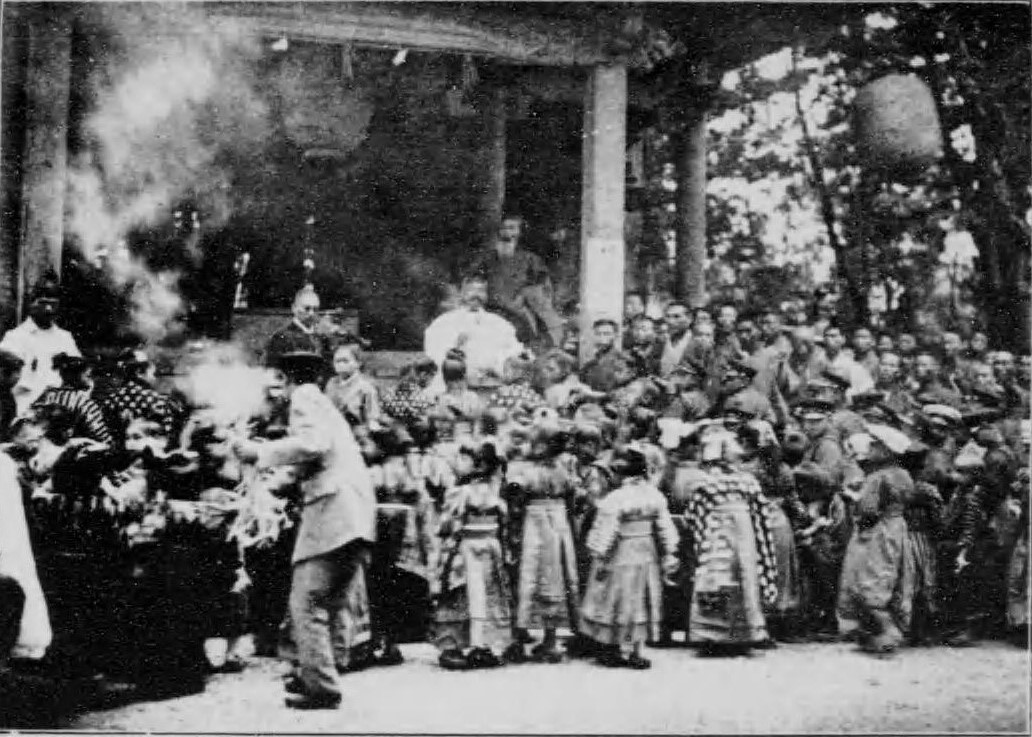
The greatest highlight is the skunk cabbage bloom in May, when white flowers cover the whole marsh in a truly splendid sight. Early summer sets fresh greenery against the water, and summer brings cool air from the deep forest. Autumn colors the surrounding trees, and the foliage reflects on the still surface. In winter snow closes the forest road, so the best time to visit is from May after the thaw. Each year on July 15 a ceremony for the pond deity is held at the Nawagaike goddess shrine.
Access and Basic Information
- Location: Within Mount Takashozu, Nanto, Toyama Prefecture (about 800 meters elevation)
- Turn onto the Takashozu forest road at the Nawagaike entrance sign on National Route 304
- It is about 8 kilometers from the entrance to the lake
- The road is narrow and steep, so drive with great care
- The forest road is closed in winter and generally open from around May through autumn
Practical Travel Notes
- The best season is May, when the skunk cabbage blooms; the fresh-green and autumn-foliage periods are also quiet and beautiful with gentler crowds
- From the parking area you walk a mountain path to the marsh by the lake; allow one to two hours for the walk and a stroll
- The forest road is rough and narrow, so large vehicles and less confident drivers should take special care and use pullouts to pass
- Nearby spots: the Gokayama area, Sakuragaike Pond in Nanto, and the wood-carving town of Inami
- Do not expect shops or vending machines in the mountains, so bring drinks, snacks, and insect repellent
A Quick Tip
The forest road is narrow with many curves, so please drive carefully. Mountain weather changes quickly and the ground tends to be muddy. Come with sturdy shoes and warm clothing, and visit with respect for nature.
Visitor Checklist
- Estimated time: One to two hours for the round trip and a walk from the parking area to the lakeside wetland.
- Best timing: May, when the skunk cabbage blooms, is best; the fresh green and autumn seasons are also quiet and beautiful.
- What to bring: No shops or vending machines can be expected in the mountains, so bring drinks, snacks, and insect repellent, plus comfortable shoes and warm layers.
- Driving note: The forest road is rough and narrow, so drive carefully and use pull-outs when passing.
- Access: Enter the forest road at the Nawagaike-iriguchi sign on Route 304; it is about eight kilometers from the entrance to the lake.
Practical Information for Your Visit
- Visiting: Free access. There is no admission fee
- When the road is passable: The Takashozu forest road is closed in winter. It usually opens around Golden Week: in 2026 it was May 2, and in 2025 it was May 10. The date varies from year to year
- Condition of the forest road: As of May 2026 it is passable, but some sections are under alternating one-way traffic, some stretches are narrow and make passing oncoming vehicles difficult, and there are places where the road surface is rough. There is also a risk of falling rocks and snow, and work vehicles sometimes use the road
- Access: About 30 minutes by car from Johana Station on the JR Johana Line (about 2 hours 30 minutes on foot). About 40 minutes by car from the Fukumitsu Interchange on the Tokai-Hokuriku Expressway
- Parking: Available
- Toilets: As of May 2026, work to install toilets was still under way. Please check the latest announcements from Nanto City for conditions on site
- Estimated time needed: About 1 hour to walk around the marshland by the pond from the parking lot. Allow 2 hours if you want to take your time
- In rainy weather: There is no sheltered place to take refuge. In heavy rain the risk of falling rocks and a deteriorating road surface on the forest road increases, so it is safer to postpone your visit rather than push on
- Footwear and clothing: The boardwalk along the marsh gets muddy easily, and the mountain road is slippery after rain. Wear waterproof, comfortable walking shoes. The altitude is high and mornings and evenings are chilly even in May, so a jacket is reassuring
- Strollers and wheelchairs: As the walk involves a mountain road and a marshland trail, it is not suited to exploring with a stroller or wheelchair
- To avoid the crowds: The busiest times are weekends in May, when the skunk cabbage is at its best. Passing oncoming vehicles on the forest road is difficult, so driving is easier on weekdays or early in the morning
- Budget guide: Visiting is free of charge. As there is no public transport, rental car and fuel costs are the main expenses
- What to bring: You will be up in the mountains, so it is wise to buy drinks and snacks down in the valley beforehand. In early summer, insect repellent also makes the visit more comfortable
- Location: Minotaniyama, Minotani Kitano Iriai, Nanto City, Toyama Prefecture (postal code 939-1812)
📚 Sources
This article is based on tourist guidance for Nanto City, information on the Nawagaike skunk-cabbage colony designated a prefectural natural monument and the shrine of the dragon-deity legend, and passage information for the Takashimizu forest road. The forest road closes in winter and the open period shifts by year. The open period and road conditions may change, so please confirm the latest details on the official sources before your visit.
The location, access, parking and fees were confirmed on the "Nawagaike Skunk Cabbage Colony" page published by the Gokayama NANTO Tourism Organization (the tourist information body for Nanto City). The opening date and condition of the Takashozu forest road, and the work to install toilets, are based on the road condition announcement published by the same organization and Nanto City (updated May 12, 2026). The fact that skunk cabbage is a northern plant and that Nawagaike is said to be the southwestern limit of its natural habitat, and that this is a natural lake surrounded on three sides by primeval forest, come from the explanation on the official Toyama Prefecture website, while the year of its designation as a prefectural natural monument (Showa 40, i.e. 1965) and the accompanying description are based on the entry in the cultural heritage database of "Toyama no Bunka Isan." The size of the pond, its maximum depth, its origin as a lake dammed by a landslide, the dragon deity legend of Tawara Toda Hidesato and the July 15 festival were cross-checked against the published encyclopedia entry on Nawagaike and records of the festival handed down locally. The period when the forest road is open and its condition can vary from year to year, so please check official information before you set out.
📍 Location & Access


Share this article


✍️ About this article
This article is compiled by the Tabitabi JAPAN editorial team from official and primary sources, including facility and shrine/temple websites, tourism information published by municipalities and tourism associations, and cultural-property records released by national and local governments. Prices, opening hours and event dates may change, so please also check the official information of each facility or local government before you visit.