
Utou Jinja in Aomori: An Ancient Shrine Where Ryujin Water Springs at the Birthplace of Aomori City
In central Aomori City, in a corner of Yasukata surrounded by buildings and shops, Utou Jinja quietly spreads its deeply green grounds. It conveys to this day the trace of an era when this area was called Utou Village, and it is said to be the birthplace of Aomori City. It is not often featured prominently as a tourist site, but it is an old shrine rooted in daily life, where local people join their hands as a matter of course.
According to shrine tradition, it enshrines the three Munakata goddesses (Takiribime, Ichikishimahime, and Takitsuhime) and is said to have been rebuilt in 807 by Sakanoue no Tamuramaro. The grounds, tended many times over their long history, are so quiet it is hard to believe they sit in the middle of the city, and stepping in, you feel the air change.
Highlights
- The Ryujinsui, sacred spring water welling up behind the worship hall. It has long been revered by people in work and business connected with water and the sea.
- The presence of the main hall enshrining the three Munakata goddesses.
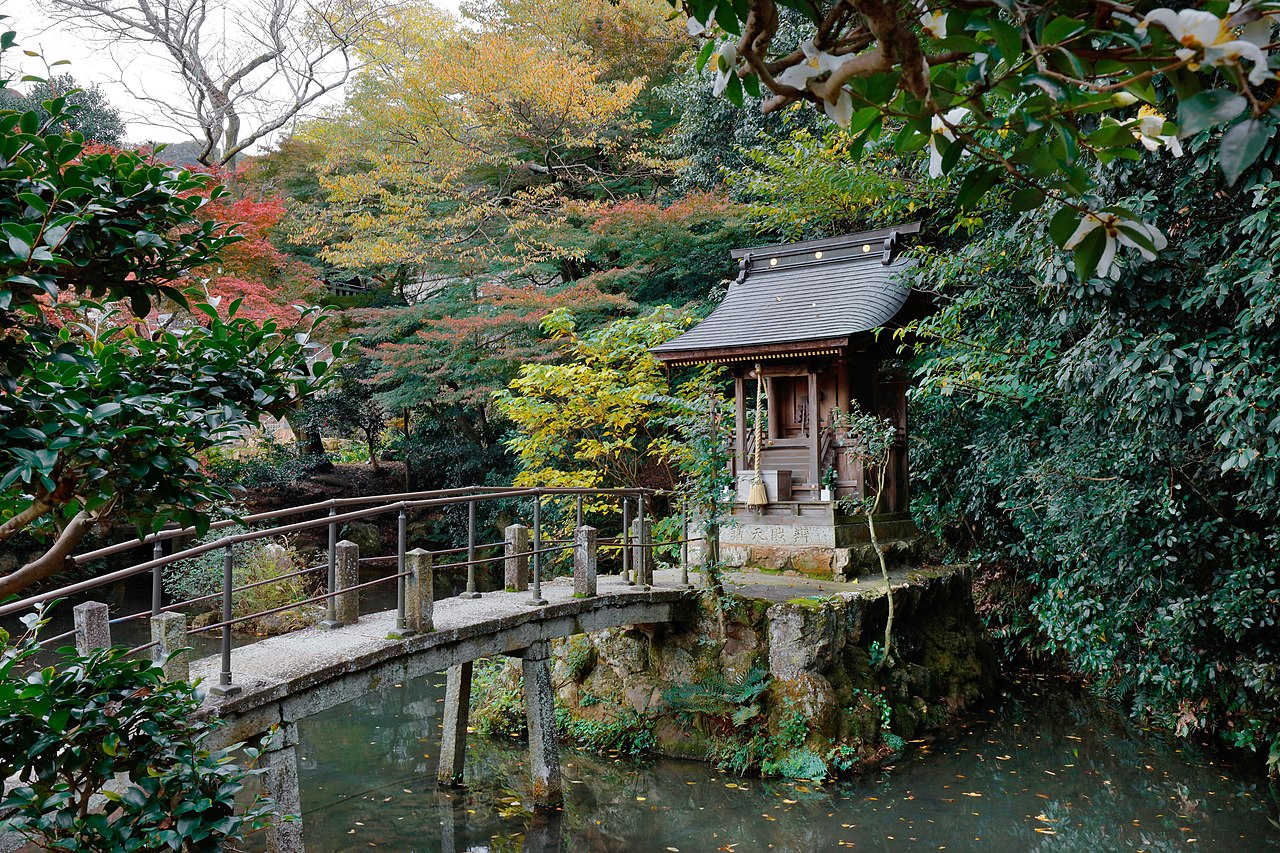
- The calm grounds set with a pond and a small bridge, which make you forget the bustle of the city.
- The stone monument and signs conveying that this is the birthplace of Aomori City.
Enjoying the Seasons
Spring brings fresh green, summer the coolness of shade, autumn the coloring trees, and winter a coat of snow, each season changing the shrine's expression. The snow-covered grounds in particular are serene, and a moment spent gazing at the Ryujinsui amid the falling snow is exceptional.

Access and Basic Information
- Address: Yasukata, Aomori City, Aomori Prefecture
- Nearest station: About 10 to 15 minutes on foot from JR Aomori Station (east along Shinmachi-dori from the east exit)
- Access: Located in central Aomori City, easy to reach by public transport
- Visiting: The grounds are open for free worship (confirm shrine office hours on the official site or on site)
Practical Travel Notes
- Recommended season and time: Being in the city center, it is easy to visit year round. Many combine it with the Aomori Nebuta Festival (usually early August) or nearby sightseeing; for a quieter visit, mornings or weekdays with fewer people are recommended.
- Time needed: About 20 to 40 minutes for the main hall, the Ryujinsui, and a stroll through the grounds. Its scale makes it easy to drop by during a town walk.
- Real nearby spots: Within walking distance are many sights such as A-FACTORY and the waterfront in front of Aomori Station, the Nebuta Museum Wa Rasse, and the Aomori Gyosai Center (the Furukawa Market known for nokke-don rice bowls).
- Budget sense: Worship is free. Even including offerings for a goshuin or charms and nearby meals, it is easy on the wallet. Since it is within walking distance of Aomori Station, transport costs little.
- Access note: Since you can walk there over flat city streets from Aomori Station, walking is convenient except in rain.
A Word of Advice
Its charm lies in how easily you can drop by during a town walk. Pause for a while before the Ryujinsui and listen closely to the sound of the welling spring water. You should meet the true face of Aomori, away from the bustle of sightseeing. Combining it with sightseeing around Aomori Station lets you tour the city efficiently.
📚 Sources
For Utou Jinja's main hall enshrining the three Munakata goddesses, the Ryujinsui spring welling up behind the worship hall, and the tradition that this is the birthplace of Aomori City, the official information of Utou Jinja and on-site guidance are helpful references. It sits in the city center within walking distance of JR Aomori Station. Confirm shrine office hours on the official site or on site. Fares, hours, and access may change, so please confirm with official information before you set out.
Visitor Checklist
- Estimated time needed: About 20 to 40 minutes for the main hall, the Ryujinsui, and a stroll through the grounds. Its scale makes it easy to drop by during a town walk.
- What to bring and prepare: Since you can walk there over flat city streets from Aomori Station, no special gear is needed. Small coins are handy for goshuin or charm offerings.
- Suggested route: Worship at the main hall and stroll the grounds set with the Ryujinsui behind the hall, a pond, and a small bridge. Combining with A-FACTORY, Wa Rasse, and the Aomori Gyosai Center within walking distance lets you tour the city efficiently.
- Best time of day: For a quiet visit, mornings or weekdays with fewer people are recommended.
- Seasonal note: The snow-covered grounds in winter are serene and atmospheric.
Practical Information for Your Visit
- Worship hours: Open for worship 24 hours a day
- Amulet counter: 9:00-17:00
- Goshuin stamp: 8:30-17:00 / offering of 500 yen (during busy periods such as New Year, only pre-written stamps are available)
- Prayer ritual reception: 9:00-16:00 (open every day of the year). Please complete the registration at least 15 minutes before the start time. In January it is by reservation only
- Prayer ritual fees: From 6,000 yen for rites such as warding off misfortune, Shichi-Go-San, prayers for traffic safety, a baby's first shrine visit and prayers for safe childbirth
- Parking: There is a paid parking lot, "Parking Utou," next door. There is also parking for large buses (advance reservation required)
- Access: Get off at JR Aomori Station and walk 10 minutes along Shinmachi-dori. By car, take National Route 4 from the direction of Asamushi or National Route 7 from the direction of Hirosaki, turning at Yanagimachi-dori
- Address and contact: 2-7-18 Yasukata, Aomori City, Aomori Prefecture / tel. 017-722-4843
* Parking fees are not published on the official website.
(Sources: Utou Shrine official website, "Top page" and "Access and map")
📍 Location & Access


Share this article


✍️ About this article
This article is compiled by the Tabitabi JAPAN editorial team from official and primary sources, including facility and shrine/temple websites, tourism information published by municipalities and tourism associations, and cultural-property records released by national and local governments. Prices, opening hours and event dates may change, so please also check the official information of each facility or local government before you visit.