Besshi Copper Mine: The Mountain of Modern Industrial Heritage That Created the Sumitomo Group
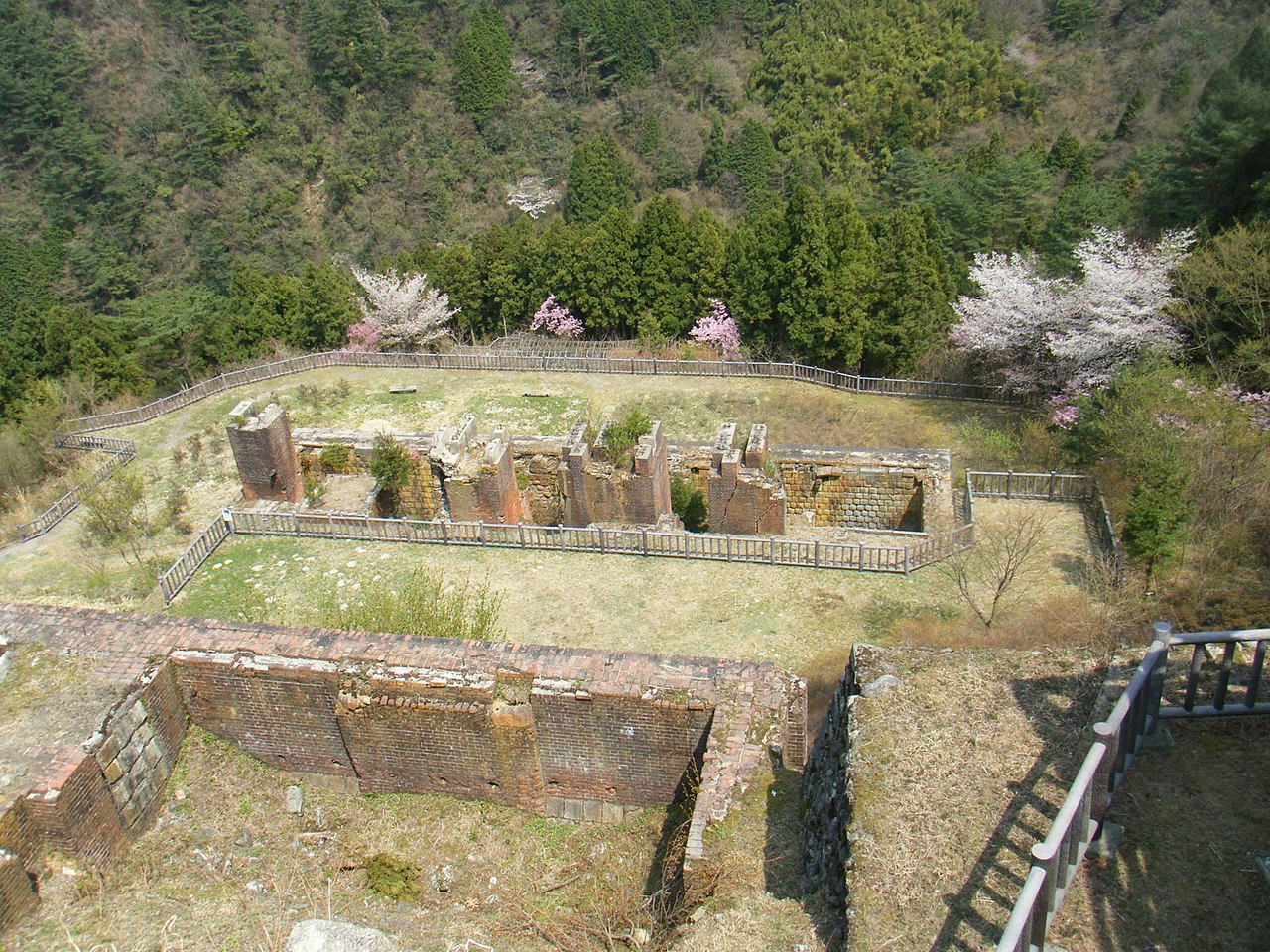
Besshi Copper Mine in Niihama City, Ehime Prefecture, is one of Japan's most important copper mines, where an ore vein was discovered in 1690 (Genroku 3) and mining continued from the following year until closure in 1973, spanning 283 years. Known as the birthplace of the Sumitomo Group, it is also a stage of history that supported the industrial development of modern Japan. The red-brick ruins and stone-piled remains left in the mountains create a fantastical, almost sky-borne ancient landscape that draws many visitors.
Highlights
Besshi Copper Mine was developed by the Sumitomo family, and the copper mined here became an important commodity traded at home and abroad. Mining deep in the mountains was extremely difficult, but as techniques advanced, modern equipment was introduced from the Meiji era onward and output grew significantly. At its peak, a full mining town with schools and even a theater is said to have flourished in the mountains. After closure, this history has been carefully preserved and passed down as industrial heritage.
The central base for visitors is Mine Topia Besshi (Hadeba Zone), a tourist facility that also functions as a roadside station. Here everyone from children to adults can experience the mine's history by walking through a sightseeing tunnel repurposed from a former shaft, riding the mining railway, and trying gold panning. An attached hot-spring facility makes it convenient for a rest after exploring.

Machu Picchu of the Orient: Tonaru
The ruins remaining in the high mountains at Tonaru, with stone-piled ore storehouses and incline (slope transport) remains nestled in greenery, are called the Machu Picchu of the Orient and form the symbolic landscape of Besshi. Misty mornings are especially atmospheric and popular with photographers. Because the road to Tonaru is narrow and steep, using the sightseeing bus or a guided tour from Mine Topia Besshi is the safest option.

Seasonal Enjoyment
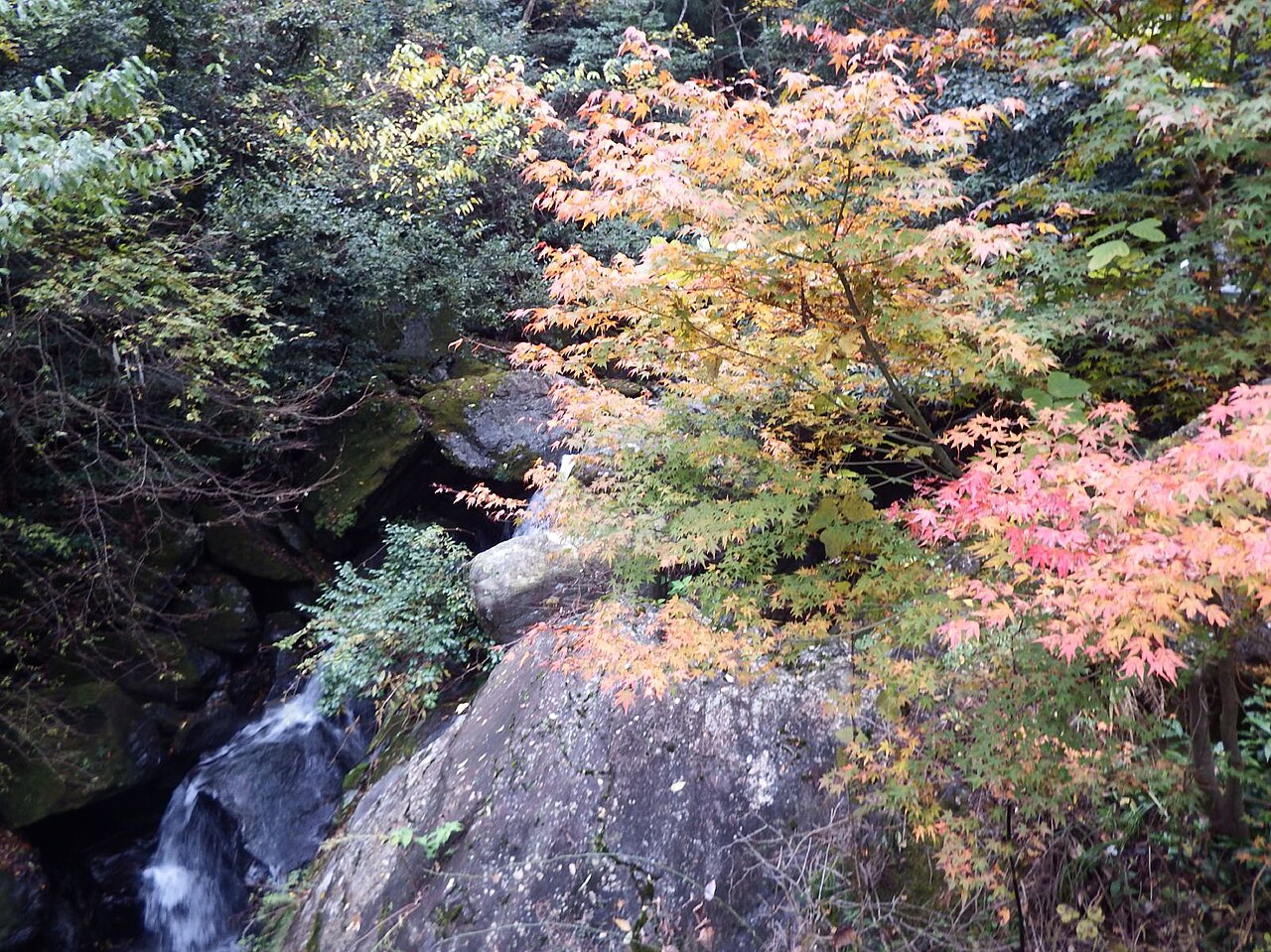
The fresh greenery of spring and early summer, and the autumn foliage, are especially recommended. The mountain ruins show a striking contrast against green leaves or autumn color. Summer is cooler and more comfortable than the lowlands, but mountain weather changes quickly, so a light layer is reassuring. In winter, some sections may be restricted by frozen or snowy roads, so check road conditions in advance.
Access and Basic Information
Mine Topia Besshi, the main base, is about 20 to 30 minutes by bus or car from JR Niihama Station on the Yosan Line. To reach the Tonaru area, using a sightseeing bus or tour from Mine Topia Besshi is common; if driving yourself, the road is narrow and requires care. Opening hours and the operating days of the sightseeing tunnel and Tonaru tours vary by season, so confirm the latest information from official sources before your visit.
Practical Travel Notes
- The road to Tonaru is narrow with continuous sharp curves; if you are not confident driving, a sightseeing bus or tour is safer.
- The areas around the ruins have many slopes and cobblestones, so proper walking shoes are essential. The elevation is high and mornings and evenings are cold, so bring a jacket.
- Vending machines and shops in the mountains are limited. Prepare drinks and light meals at the base, such as Mine Topia Besshi.
- Combining a visit with the Sumitomo history museums in central Niihama gives a deeper understanding of the story of Besshi and the Sumitomo Group.
One Piece of Advice
Besshi Copper Mine is not merely a sightseeing spot but a place inscribed with the lives of the people who supported modern Japanese industry. Rather than simply viewing the ruins, walking while imagining those who once lived and worked here deepens the experience. Check the weather and road conditions carefully and plan comfortably as you trace these magnificent industrial footprints.
📚 Sources
The information here is based mainly on the public guidance from Niihama city and its tourism association, along with the notices of Minetopia Besshi, which serves as the base. The information for the buses and tours to the Tonaru zone (the Machu Picchu of the East) and on-site information boards are also useful references. Because facility hours and the operating days of the mine tunnel and the Tonaru tour vary by season, please confirm the latest details on the official Minetopia Besshi or Niihama city information before you visit.
Visitor Checklist
- Estimated time needed: About 1 to 2 hours for the Minetopia Besshi (Hadeba zone); allow half a day to a full day if you add the sightseeing bus or tour to the Tonaru zone.
- What to bring: Comfortable walking shoes are essential given the many slopes and stone paving around the ruins. Bring a jacket as it is cool at high elevation morning and evening, and prepare drinks at the foot of the mountain since vending machines are limited.
- Suggested route: Enjoy the mine tunnel and mine railway at Minetopia Besshi, then take the sightseeing bus or tour to the narrow-road Tonaru district to see the stone ore bins and incline ruins known as the Machu Picchu of the East.
Practical Information for Your Visit
- Mine sightseeing (round-trip trolley train ticket plus the walking tour inside the mine tunnel): 1,500 yen for adults, 1,100 yen for junior and senior high school students, and 900 yen for children from age 3 through elementary school. For groups of 11 or more, and for holders of a disability certificate, 1,200 yen for adults, 880 yen for junior and senior high school students and 720 yen for children from age 3 through elementary school. It takes about 40 to 60 minutes (prices revised on November 1, 2025, Reiwa 7)
- Besshi No. 1 ride experience (round-trip trolley train ticket only): 700 yen for adults, 600 yen for junior and senior high school students and 500 yen for children from age 3 through elementary school. It takes about 10 minutes (the sightseeing tunnel cannot be visited)
- Trolley train service: Outbound trains leave at 00, 20 and 40 minutes past each hour, and return trains at 05, 25 and 45 minutes past each hour. The ride takes about 5 minutes (at 10 km/h). The sightseeing tunnel is about 333 meters long and is a flat path that wheelchairs can also use
- Gold panning experience: 1,000 yen for a single ticket and 1,600 yen for a group ticket (both with a 30-minute time limit)
- Sightseeing bus tour to the Machu Picchu of the East (Tonaru): Departs from and returns to the Hadeba area of the roadside station Minetopia Besshi, taking about 2 hours. (1) The 11:00 departure runs every Saturday, Sunday and public holiday (and also on weekdays in May, August and November). (2) The 13:00 departure runs every day. The tour operates with a minimum of 1 participant. The fare is the same for everyone from elementary school age and up: 2,200 yen for individuals and 1,800 yen for groups of 11 or more (preschool children are free only if they do not occupy a seat)
- Booking the bus tour: By telephone at 0897-43-1801 (9:00-17:00). Online booking is not currently available. Reservations take priority, and if seats remain you can book right up until departure
- Winter closure of Tonaru: The Tonaru area closes for the winter every year from December until the end of February (planned) because the road is closed, and during this period entry is not possible and the bus tour is also suspended
- Restrictions on the road to Tonaru: The Kawamata-Tonaru city road is difficult to pass for vehicles 2.8 meters or more in height, 2.1 meters or more in width, or 7.1 meters or more in length. The tour may be cancelled at short notice if a Japan Meteorological Agency warning is issued or if the road is closed due to falling rocks, snow or icy road surfaces
- Public transport to Tonaru: There is no public transport that goes directly to the Tonaru area. You need to take a bus as far as the Hadeba area and transfer to the sightseeing bus tour
- Public transport access (Hadeba area): From JR Niihama Station take a Setouchi Transport (Setouchi Bus) service to the last stop, Minetopia Besshi
- Access by car: About 6 kilometers and about 12 minutes from the Niihama IC on the Matsuyama Expressway to Minetopia Besshi (the Niihama IC has been an ETC-only toll gate since February 27, 2025). The Tonaru area is about 15 kilometers from the Niihama IC and about 11 kilometers from the Hadeba area
- Parking: The roadside station Minetopia Besshi has space for 13 large vehicles and 383 ordinary cars (including 7 spaces for people with disabilities)
- Opening hours (as a roadside station): 9:00-22:00 (varies by facility)
- Payment: For the bus tour, in addition to cash, IC-chip credit cards, electronic money and barcode payments are accepted (transport IC cards cannot be used, and during long holiday periods payment may be cash only)
(Sources: Minetopia Besshi official website, List of Fees (from November 1, 2025, Reiwa 7), Access, Tonaru Area Sightseeing Bus Tour, and Mine Sightseeing / Besshi No. 1 Ride Experience; National Roadside Station Liaison Association, roadside station Minetopia Besshi)
📍 Location & Access


Share this article


✍️ About this article
This article is compiled by the Tabitabi JAPAN editorial team from official and primary sources, including facility and shrine/temple websites, tourism information published by municipalities and tourism associations, and cultural-property records released by national and local governments. Prices, opening hours and event dates may change, so please also check the official information of each facility or local government before you visit.