
Seiyo City: Agriculture of Shikoku's Southwest and the Old Townscape of Unomachi
Seiyo City, Ehime Prefecture, is located in the southwestern part of Shikoku, a nature-rich region where agriculture, fishing, and forestry coexist. With large differences in elevation, its charm lies in varied scenery, from the Uwa Sea lined with ria coastline to deep-green mountain villages. In particular, Unomachi, retaining a townscape from the Edo to Meiji periods, is known as an atmospheric district where white-walled merchant houses and old townhouses stand in rows. It is a place where you can enjoy strolling through historic streetscapes together with rich nature and agricultural culture, savoring the calm travel unique to the southern Iyo region.
Highlights: The Unomachi Townscape, an Important Preservation District
Seiyo City's representative highlight is the townscape of Unomachi, selected as a national Important Preservation District for Groups of Traditional Buildings. In this district, which once flourished as a post town and rural town along the Uwajima road, white-walled merchant houses and townhouses with udatsu firewalls from the late Edo to early Showa periods stand in rows as they were, giving off a serene atmosphere. The district also retains a venerable school building descended from an Edo-period private academy, and retro Western-style architecture, allowing enjoyment of a distinctive townscape mixing Japanese and Western styles. Cafes and museums utilizing old buildings are scattered about, and walking slowly feels like traveling back in time. It offers an atmospheric stroll irresistible to history lovers.

Rich Nature and Agricultural Culture
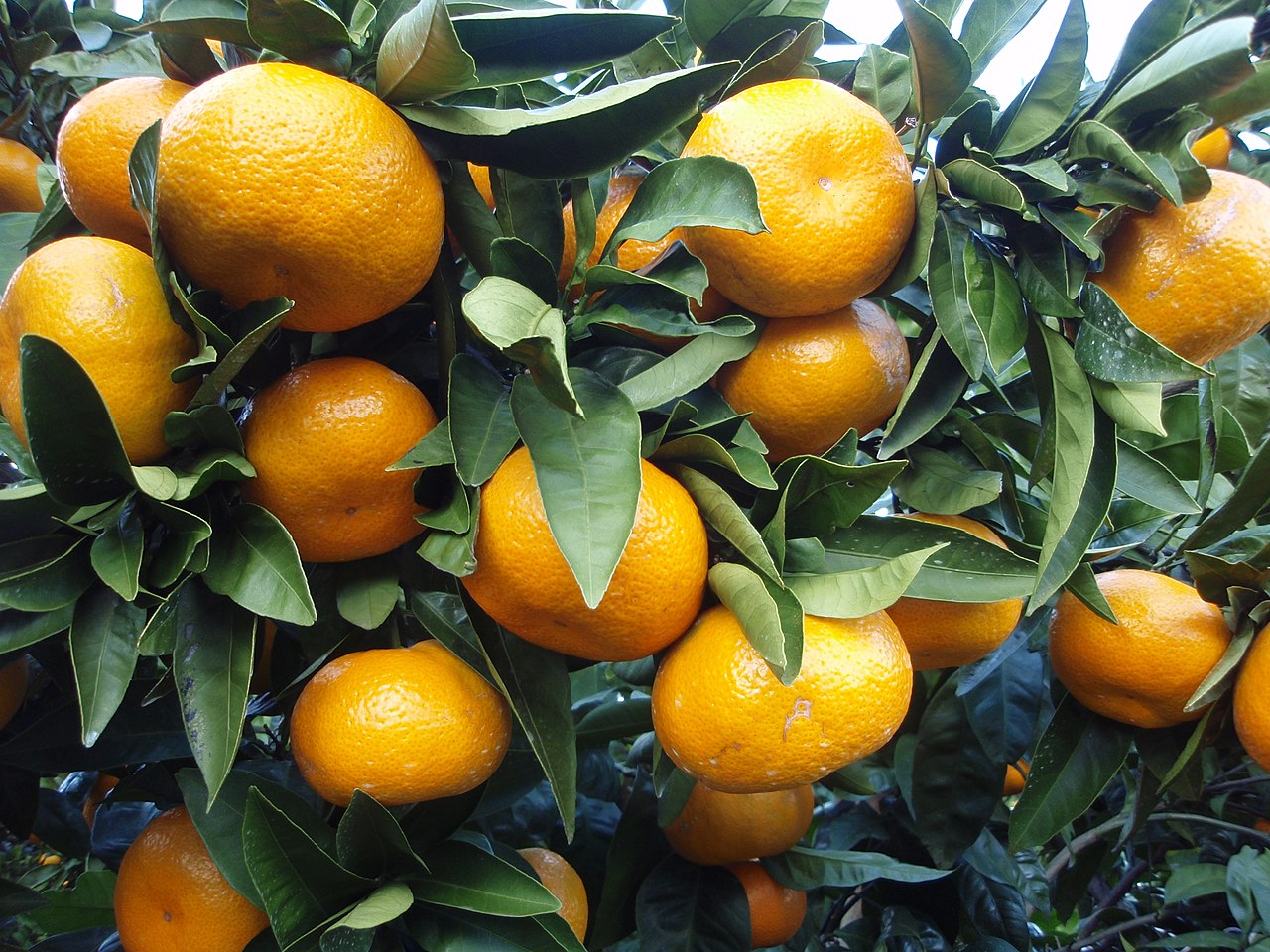
Seiyo City's rich nature and agricultural culture nurtured by its varied terrain are also a great appeal. Dynamic natural scenery is scattered about, including the majestic highland landscape of Shikoku Karst spreading through the mountains and the Uwa Sea with its beautiful ria coastline. Citrus cultivation such as mikan, making use of the warm climate, also thrives, and the scenery of terraced fields in rows is unique to this land. Blessed with the bounty of both sea and mountains, tasting fresh seafood and farm produce is another appeal. You can encounter the simple, rich culture of living nurtured amid nature.

Seasonal Enjoyment
The comfortable spring and autumn are ideal seasons for strolling the townscape and enjoying nature walks. Autumn to winter, when the citrus harvest arrives, is recommended for mikan picking and enjoying seasonal flavors. The mountain-set Shikoku Karst shows exceptional highland scenery during the fresh-green and autumn-foliage seasons, and many people visit to escape the heat. Along the Uwa Sea, fresh seafood can be enjoyed year-round, and the changing seasonal fish is another pleasure.
Access and Basic Information
Access is via Unomachi Station on the JR Yosan Line, the base for the Unomachi townscape, with the main highlights gathered within walking distance of the station. A limited express is available from Matsuyama city, and the location is relatively close to Uwajima and Yawatahama too. However, since sightseeing spots such as Shikoku Karst and the Uwa Sea coast are scattered over a wide area, renting a car is convenient for touring the whole area. Since opening hours and closing days of each facility may change, confirming before visiting is advisable.
Practical Travel Notes
- The Unomachi townscape is compact enough to explore on foot, and allowing about half a day makes for a relaxed visit.
- The route to Shikoku Karst goes over mountain roads, so plan driving with plenty of time to spare.
- Citrus such as mikan is in season from autumn to winter; fresh produce is available at direct-sale shops and roadside stations.
- Combining with nearby southern Iyo cities such as Ozu, Yawatahama, and Uwajima for a loop tour is recommended.
A Word of Advice
Seiyo City is a deep, southern-Iyo area where you can enjoy serene historic streetscapes together with varied nature such as highlands, sea, and terraced fields all at once. Walk slowly through Unomachi's old townscape, enjoy seasonal citrus and seafood, and take a trip that touches the simple, rich culture of living. (Tabitabi Japan Editorial Team)
📚 Sources
The information here is based mainly on the public guidance from Seiyo city and its tourism association. The information for the Uno-machi preservation district of traditional buildings, the school architecture and museums within it, the Shikoku Karst and the Uwa Sea, and on-site information boards are also useful references. Because facility hours and closed days may change, please confirm the latest details on the official Seiyo city information before you visit.
Visitor Checklist
- Estimated time needed: About half a day to stroll the Uno-machi townscape; allow a full day if you extend to the Shikoku Karst or the Uwa Sea coast.
- What to bring: Comfortable shoes, as Uno-machi is compact enough to explore on foot. The Shikoku Karst is reached by mountain roads, so a car is practical. Cash is handy for buying citrus at farm stands and roadside stations.
- Suggested route: From Uno-machi Station, stroll the white-walled preservation district, visiting the school architecture, museums, and old-house cafes. With more time, extend to the Shikoku Karst or the Uwa Sea coast to enjoy the scenery.
Practical Information for Your Visit
- Kaimei School: A pseudo-Western style schoolhouse built in 1882 (Meiji 15) and designated an Important Cultural Property of Japan in 1997 (Heisei 9). Open 9:00-17:00 (last entry 16:30). Address 109 Unomachi 3-chome, Uwa-cho; TEL/FAX 0894-62-4292
- Closing days of Kaimei School: Every Monday (the following day when Monday is a public holiday) and the New Year period, December 29 to January 3
- Admission: 700 yen for general visitors / 420 yen for university and high school students / free for junior high school students and younger. The ticket also covers the Uwa Folk Implements Museum, and tickets are sold at the Uwa Folk Implements Museum opposite
- Getting to Kaimei School: An 8-minute walk from JR Unomachi Station, or 5 minutes by car from the Seiyo-Uwa IC. There is free parking for 15 cars nearby
- Uwa Folk Implements Museum: 3-106 Unomachi, Uwa-cho; TEL 0894-62-1334. Open 9:00-17:00 (last entry 16:30), closed on Mondays (the following day when Monday is a public holiday) and over the New Year period. It holds and displays about 6,000 folk implements
- Townscape guides: 3,000 yen per guide (one guide can lead up to 15 people). Reservations must be made at least one week in advance
- Model course: Kaimei School to the Uwa Folk Implements Museum to the historic townscape (the Torii Gate and the hideout of Takano Choei) to the Memorial Hall of Great Thinkers is given as taking about one and a half hours
- Shikoku Seiyo Geomuseum: Opened on April 23, 2022 (Reiwa 4). Address 945 Shimoso, Shirokawa-cho, Seiyo City; TEL 0894-89-4028. Open 9:00-17:00
- Closing days and fees of the Geomuseum: Every Monday and Tuesday (open when the day falls on a public holiday, with no substitute closing day). Entry to the building is free of charge, while the paid zones such as the permanent exhibition room cost 500 yen for general visitors / 300 yen for university and high school students / free for junior high school students and younger. A combined ticket for the three Okuiyo facilities (the Geomuseum plus Gallery Shirokawa and the Shirokawa Museum of History and Folklore) costs 900 yen for general visitors / 500 yen for university and high school students
- Getting to the Geomuseum: 50 minutes from Uwa-cho in Seiyo City (Seiyo-Uwa IC), one and a half hours from Matsuyama City, and one hour from Uwajima City
* The fee for the Meiji-era lesson experience at Kaimei School is given differently in different places: the official Seiyo City website states 300 yen per person for groups of 3 or more, while the guide from the designated operator (Seiyo Jikan) states 500 yen for one person, with up to 40 people per session. (Sources: Seiyo City official website; Seiyo City Tourism and Products Association official website Seiyo Jikan; Shikoku Seiyo Geomuseum official website)
📍 Location & Access



Share this article


✍️ About this article
This article is compiled by the Tabitabi JAPAN editorial team from official and primary sources, including facility and shrine/temple websites, tourism information published by municipalities and tourism associations, and cultural-property records released by national and local governments. Prices, opening hours and event dates may change, so please also check the official information of each facility or local government before you visit.