Kiryu City: The Silk Town and Its Textile Heritage
Sawtooth-roofed textile factories, retro storehouse buildings, and old streets that once echoed with the sound of looms — Kiryu City in Gunma Prefecture is a historic town that flourished as a major producer of silk textiles, praised alongside Kyoto in the phrase "Nishijin of the West, Kiryu of the East." Carrying on a weaving tradition said to date back to the Nara period, Kiryu supported Japan's modernization and silk industry, and the traces of that prosperity and the skill of its artisans live on today.
Highlights
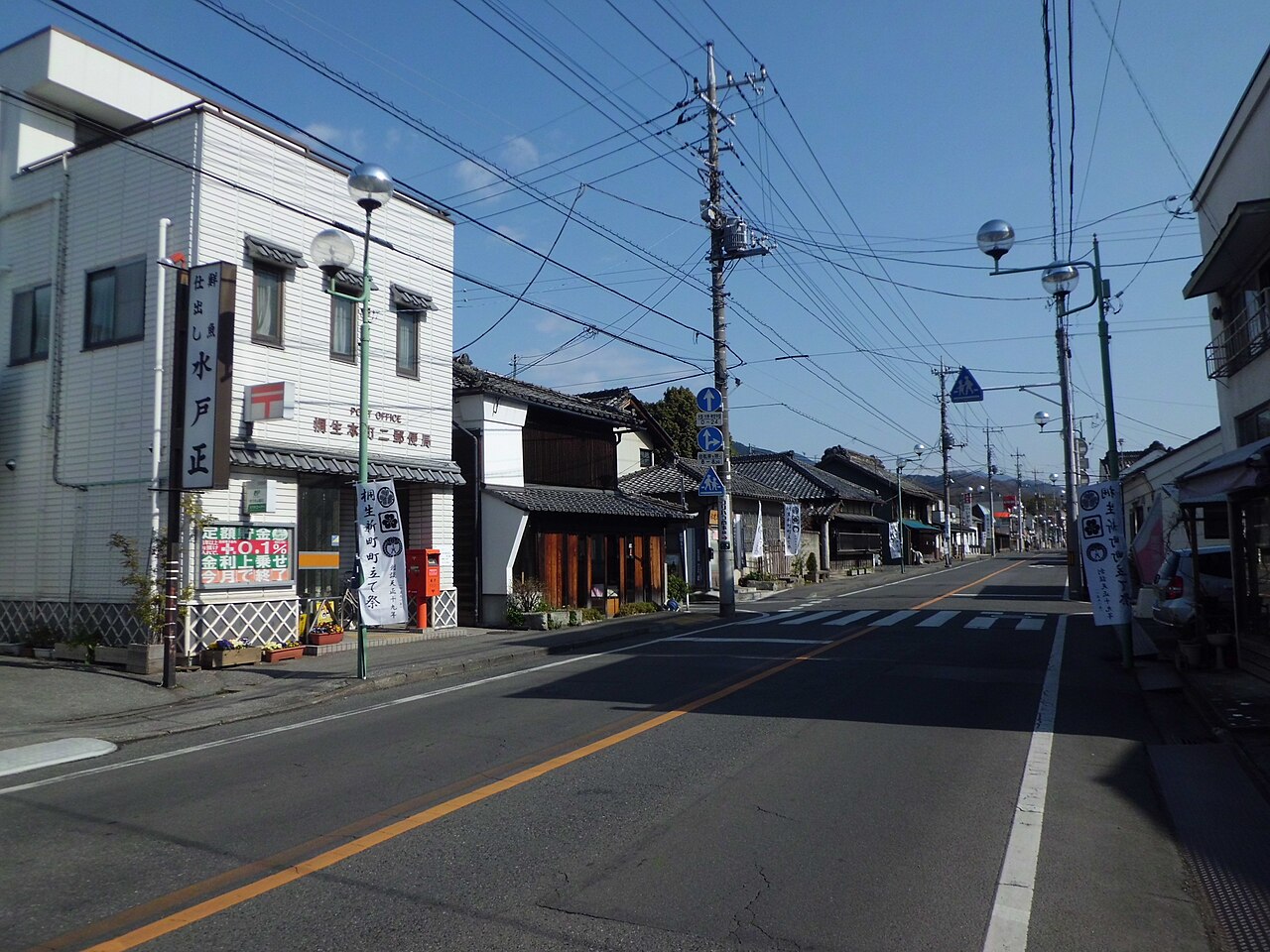
Kiryu made its name as a producer of fine silk textiles, so much so that it was named alongside Kyoto's Nishijin in the saying "Nishijin of the West, Kiryu of the East." Production of high-grade silk flourished in the Edo period, and from the Meiji era onward modern mechanization advanced, developing the town into a major weaving center that supported Japan's export industry. "Kiryu-ori" weaving is still designated a traditional craft of Japan. Characterizing the townscape are the "sawtooth roof" buildings unique to textile factories. The jagged roofline, with skylights facing north, was devised to draw in the stable light suited to weaving work. Many such historic factory buildings remain, and the area around Hon-cho 1-chome and 2-chome is designated an Important Preservation District for Groups of Traditional Buildings.
Enjoying the Seasons
Delightful year-round, the retro town walk is best in the comfortable seasons of spring and autumn. Facilities where you can experience the silk-weaving tradition are scattered through Kiryu, including a museum for learning the history of weaving, workshops for hands-on hand-weaving and dyeing, and shops handling woven products, where you can encounter the skill of artisans and the beauty of silk. Stylish cafes and general stores making use of old buildings are increasing, making the retro town walk a pleasure. In summer the "Kiryu Yagibushi Festival," known as one of the Kanto region's major folk-song events, fills the whole town with the energy of Yagibushi dance and music.
Access & Basic Information
- Location: Kiryu City, Gunma Prefecture
- By train: Kiryu Station on the JR Ryomo Line and Watarase Keikoku Railway serves as the base; the townscape is within walking distance
- From Tokyo: About 2 hours by train as a guide
- Highlights: Sawtooth-roof factory cluster, the Important Preservation District, and weaving-experience facilities
- Nearby: Easy to combine with a local-railway trip on the Watarase Keikoku Railway
Practical Travel Notes
Kiryu's attractions are scattered through the town, so starting from Kiryu Station and getting around on foot or by rental bicycle is efficient. Some sawtooth-roof factories are used as cafes and shops that you can freely enter, but many are working factories or private buildings, so follow the signs and guidance on whether viewing is allowed. Opening days and hours for weaving experiences and museums differ by facility, so it is reassuring to check in advance. From Kiryu Station the Watarase Keikoku Railway extends onward, connecting to a local-train journey that takes in gorge scenery.
A Word of Advice
Kiryu is a town that suits savoring its silk-weaving history and modern industrial-heritage streetscape at a leisurely walking pace. Wander the lanes hunting for sawtooth-roof buildings, and touch the depth of Kiryu-ori at a weaving museum or hands-on workshop. Pausing at a cafe housed in an old home lets you feel the town's atmosphere more closely. If time allows, riding the Watarase Keikoku Railway a little farther is the tabitabi JAPAN editorial team's recommended way to enjoy Kiryu.
📚 Sources
The content here is organized from official tourism information on Kiryu City, public information on the sawtooth-roof factories, museums, and weaving-experience facilities, and on-site guidance. The open days and hours of weaving experiences and museums differ by facility. There are working factories and private buildings, so whether they can be viewed depends on signage and guidance. Because fees, hours, and access can change, please confirm with official sources before you set out.
Visitor Checklist
- Time needed: A half day to tour the in-town sights, or a half day to a full day with a weaving experience and museum visits.
- What to bring: The sights are dotted through town, so touring on foot or by rental cycle from Kiryu Station is efficient. Comfortable shoes and cash for experiences and shopping are handy.
- Suggested route: Starting from Kiryu Station, tour the sawtooth-roof factories, cafes and shops, and museums.
- Viewing note: Many are working factories or private buildings, so follow signage and guidance on whether they can be viewed.
- Combining nearby: From Kiryu Station the Watarase Keikoku Railway extends onward, connecting to a local-train trip through gorge scenery.
Practical Information for Your Visit
- Kiryu Textile Memorial Hall: Admission free of charge. Open from 10:00 a.m. to 5:00 p.m. (the textile materials exhibition room on the 2nd floor closes at 4:00 p.m.)
- Closing days: Closed August 13-16 and December 29-January 3 (the textile shop on the 1st floor is also closed on the last Saturday of each month and the Sunday that follows it). The hall may also close temporarily, so check the official announcements
- Access: About a 5-minute walk from the north exit of Kiryu Station on the JR Ryomo Line, about a 4-minute walk from Nishi-Kiryu Station on the Jomo Electric Railway, or about 10 minutes by car from Shin-Kiryu Station on the Tobu Isesaki Line
- Parking: There is parking space in the front garden of the Kiryu Textile Memorial Hall. Group buses need to arrange this in advance
- Extent of the preservation district: The Kiryu Shinmachi Preservation District for Groups of Traditional Buildings covers the whole of Honcho 1-chome and 2-chome and part of Tenjin-cho 1-chome, an area of about 13.4 ha (roughly 260 m east to west by 820 m north to south). Designated on July 9, 2012 (Heisei 24), it was the 94th such district in Japan, the 5th in the Kanto region and the 2nd in Gunma Prefecture
- Kiryu Yagibushi Festival: The 63rd festival runs from Friday, August 7 to Sunday, August 9, 2026. On the day before, Thursday, August 6, a safety prayer ceremony is held at Kiryu Tenmangu Shrine along with the eve procession of the portable shrines
(Sources: official website of the Kiryu Textile Memorial Hall; official Kiryu City website, Overview of the Kiryu Shinmachi Preservation District for Groups of Traditional Buildings; official Kiryu Yagibushi Festival website)
📍 Location & Access





Share this article


✍️ About this article
This article is compiled by the Tabitabi JAPAN editorial team from official and primary sources, including facility and shrine/temple websites, tourism information published by municipalities and tourism associations, and cultural-property records released by national and local governments. Prices, opening hours and event dates may change, so please also check the official information of each facility or local government before you visit.