
Shimanami Kaido: Spectacular Cycling Road Crossing the Seto Inland Sea
The Shimanami Kaido (Nishiseto Expressway), connecting Onomichi City in Hiroshima Prefecture and Imabari City in Ehime Prefecture, is an about 70-kilometer sea road linking islands of the Seto Inland Sea, Mukaishima, Innoshima, Ikuchijima, Omishima, Hakatajima, and Oshima, with beautiful bridges. With dedicated bicycle and pedestrian paths laid out, and the chance to savor the spectacular Seto Inland Sea while crossing the islands by bike, it is admired by cyclists worldwide as a cyclists' sacred site.
Highlights
The greatest appeal of the Shimanami Kaido is being able to cross the Seto Inland Sea by bicycle. This route linking Honshu and Shikoku has dedicated bicycle and pedestrian paths, letting you cycle safely without worrying about cars. The view of the blue sea and green islands looked down upon from atop the giant suspension and cable-stayed bridges is exceptional. The bridges themselves are highlights too, such as the Tatara Bridge, one of the world's longest cable-stayed bridges, and the Kurushima Kaikyo Bridge, made of three suspension bridges.
Distinctive spots dot the islands along the way. Kosanji Temple on Ikuchijima is known for halls and pagodas modeled on National Treasure architecture and for its marble garden, the Hill of Hope. Kojoji Temple, also on Ikuchijima, has a National Treasure three-story pagoda. Oyamazumi Shrine on Omishima is the head shrine of all Yamazumi and Mishima shrines nationwide and is famous for its collection of armor designated as National Treasures and Important Cultural Properties. Local specialties such as fresh island seafood and sweets made with Seto Inland Sea lemons are another pleasure.
Seasonal Enjoyment
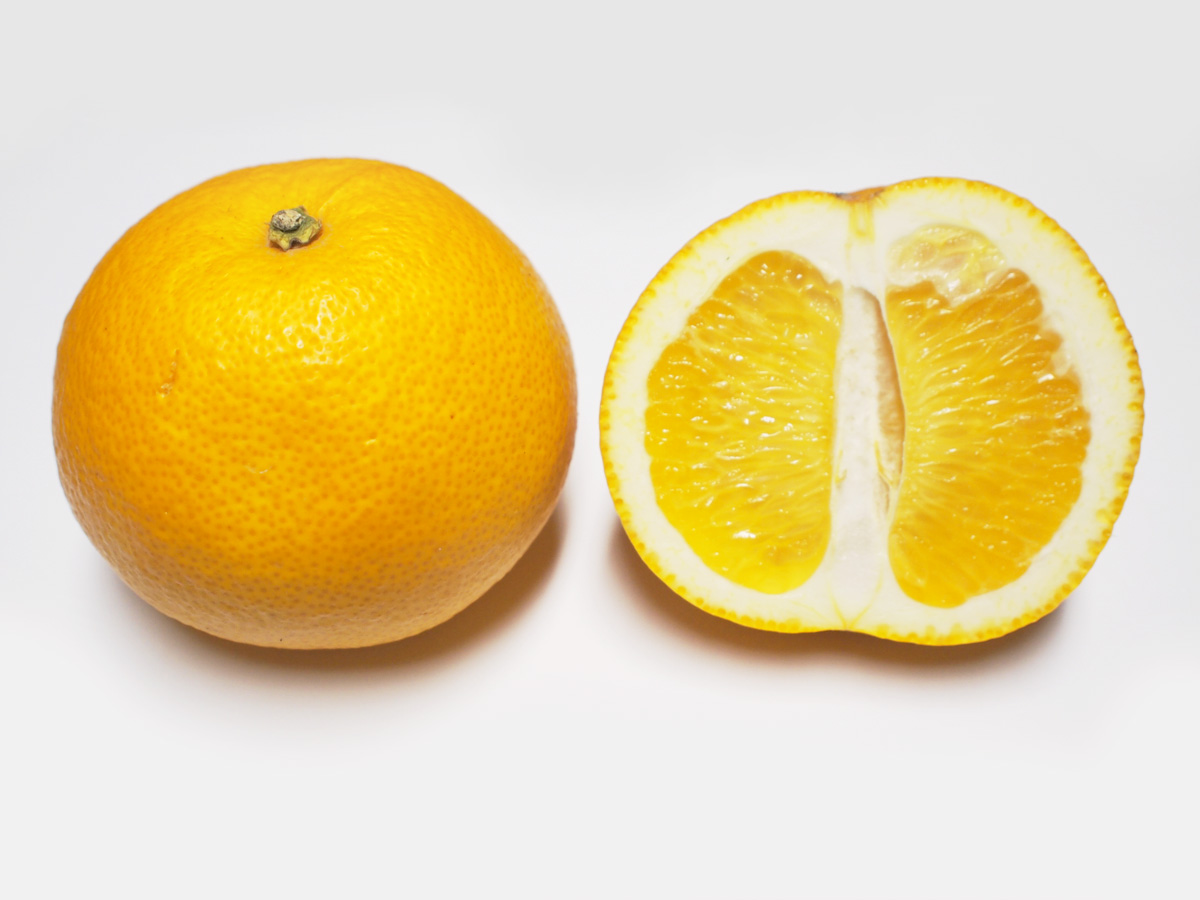
For cycling, the best seasons are spring (April to May) and autumn (October to November), when the climate is mild and the scenery beautiful. In summer, take care against the heat and stay hydrated, and in winter, prepare well against the cold. Ikuchijima and Innoshima are also known as citrus islands, and stopping at direct-sale shops for lemons and hassaku oranges is a pleasure.
Access and Basic Information
The base on the Honshu side is Onomichi Station on the JR Sanyo Main Line, and on the Shikoku side, Imabari Station on the JR Yosan Line. From Onomichi, the standard start is to cross to Mukaishima by ferry and begin cycling. Riding the full roughly 70 kilometers suits the fit, but short courses touring only some islands, or combinations with local buses, are also possible. Rental-cycle stations such as Shimanami Japan allow one-way drop-off, so beginners can take it on with ease. The recommended route is marked with a blue guide line called the Blue Line, so you can ride without getting lost.
Practical Travel Notes
To ride the whole route in one day, an early morning start according to your stamina is reassuring. For beginners and families, short courses touring only some islands such as Ikuchijima and Omishima are recommended. There are uphill sections toward the bridge entrances, but dedicated bicycle ramps are provided. Do not forget to wear a helmet and to prepare for flat tires, along with drinks and sun protection. Budget a few thousand yen adding meals and temple admissions to the rental fee. Checking drop-off fees and return locations in advance is reassuring.
A Word of Advice
Setting a comfortable distance is the trick to truly enjoying the Shimanami Kaido. At the scenic points on the bridges, stop often to savor the view. The weather can change suddenly, so carrying rain gear or a jacket is reassuring.
Visitor Checklist
- Estimated time: About half a day for cycling part of the route, or a full day or more to travel the whole way.
- What to bring: Prepare cash for bicycle rental and food, and do not forget sun protection, water, and easy-to-move clothing.
- Getting around: Check the rental pickup and drop-off points and the bridge route in advance when planning.
- Suggested route: Starting from the Onomichi side, proceed while stopping at each island's viewpoints, shrines, temples, and specialty spots.
- A note on safety: When cycling, follow traffic rules and plan a comfortable distance.
Practical Information for Your Visit
- The route: The recommended cycling route from Onomichi to Imabari is about 70 kilometres. Follow the blue line painted on the road surface and you will not stray from the main route
- Bridge tolls for bicycles: Under the "Shimanami Cycling Free" promotional discount, bicycles cross the bridges of the Shimanami Kaido free of charge. The free period has been extended until March 31, 2028 (Reiwa 10). Mopeds are not covered and must pay
- Cross from Onomichi to Mukaishima by boat: The Onomichi Bridge is narrow and carries heavy traffic, so Onomichi City does not recommend cycling across it. To reach Mukaishima from the mainland, take a ferry (there are several routes, including the one in front of Onomichi Station, and the crossing takes about 5 minutes)
- Rental bicycles: The public rental bicycle scheme run by Shimanami Japan has hire and return terminals at 10 locations, including Onomichi and Imabari. Bicycles can be returned to a terminal other than the one where they were hired, electrically assisted bicycles are available, helmets are lent out and reservations are accepted. Check prices and the availability of each type on the official booking site (enquiries 0848-22-3911)
- Terminal opening hours: 8:30-19:00 from March to November, and 8:30-18:00 from December to February
- Time required: The full route from Onomichi to Imabari takes a whole day including breaks and detours. For beginners and families, a half-day route limited to one or two islands, such as Ikuchijima or Omishima, is more realistic
- Oyamazumi Shrine Treasure Hall: 8:30-17:00. 1,000 yen for adults, 800 yen for high school and university students and 400 yen for elementary and junior high school students
- Footing and gradients: Because you have to climb to the height of the bridges, there is always an uphill stretch before each one. The difference from the flat sections on the islands is considerable, so a bicycle with gears or electric assistance makes it much easier
- Pushchairs and wheelchairs: The bridges have separate paths for cyclists and pedestrians, so they can also be crossed on foot. However, the approach sections to the bridges are long uphill stretches and cover some distance. Combining travel around the islands with local buses or a car is the more manageable choice
- In wet weather: The cycling and pedestrian paths on the bridges have no cover, and the wind over the sea grows strong. Rain gear is essential. In rough weather, do not force yourself to ride; switch to a local bus, ferry or car
- Best season: Spring (April-May) and autumn (October-November), when the climate is mild and the views are clear. There is little shade in summer and staying hydrated is essential, while in winter the wind over the sea makes it feel colder
- Budget guide: With the bridges toll-free during the current period, allow a few thousand yen for the rental bicycle, the ferry, meals and admission fees
- Base stations: Onomichi Station on the JR Sanyo Main Line on the Honshu side, and Imabari Station on the JR Yosan Line on the Shikoku side
📚 Sources
The information in this article is organized from tourism details on the Shimanami Kaido published by route municipalities such as the city of Onomichi and their tourism associations, along with public guidance on the cycling route and the highlights of each island. Information on rental bicycles and crossing the bridges can be checked through the operators' official information. Fees, hours, and access may change, so please always confirm with official sources before you set out.
The toll-free arrangement for bicycles (the extension of the "Shimanami Cycling Free" promotional discount until March 31, 2028, and the exclusion of mopeds) comes from the announcement page on the official website of Hiroshima Prefecture. The fact that the Onomichi Bridge is unsuitable for cycling and that using the ferry is recommended is as stated on the tourist information page of the official Onomichi City website. The details of the Tatara Bridge (a total length of 1,480 metres, a central span of 890 metres, opened in May 1999 and the longest cable-stayed bridge in the world at the time) and the Kurushima-Kaikyo Bridge (the world's first triple suspension bridge, with a total length of 4,105 metres, together with the length and central span of each bridge and the cycling and pedestrian path on the north side and the moped path on the south side) come from the technical information on the bridges published by JB Honshi Expressway. The number of rental bicycle terminals (10 locations including Onomichi and Imabari), the opening hours (8:30-19:00 from March to November and 8:30-18:00 from December to February), the possibility of one-way returns and the handling of electrically assisted bicycles and helmets are based on the rental bicycle guide on the official website of Shimanami Japan. The opening hours, admission fees and the number of items held by the Oyamazumi Shrine Treasure Hall (8 National Treasures, 469 nationally designated Important Cultural Properties and 14 prefecturally designated important cultural properties), and the statement that these account for about 40 percent of all armour designated as a National Treasure or Important Cultural Property, come from the facility introduction page of the Imabari Regional Tourism Association.
Fees, hours and timetables are subject to change, so please check the official information before you set out.
📍 Location & Access





Share this article


✍️ About this article
This article is compiled by the Tabitabi JAPAN editorial team from official and primary sources, including facility and shrine/temple websites, tourism information published by municipalities and tourism associations, and cultural-property records released by national and local governments. Prices, opening hours and event dates may change, so please also check the official information of each facility or local government before you visit.