
Mihara: Octopus Cuisine and Historic Castle Town Charm
Plump, firm-fleshed octopus, a savory depth that spreads the more you chew, and a whole range of octopus dishes handed down in a castle town — Mihara City in Hiroshima Prefecture is a food-lover's town where you can taste superb octopus raised in the swift currents of the Seto Inland Sea. The local cooking that makes the most of the sea's early-spring bounty is a specialty found only here. Together with the heat of the "Mihara Yassa Festival," which boasts more than 450 years of history, set out for a castle town where the octopus culture of the Seto Inland Sea has taken deep root.
A Castle Town of Seto Inland Sea Octopus
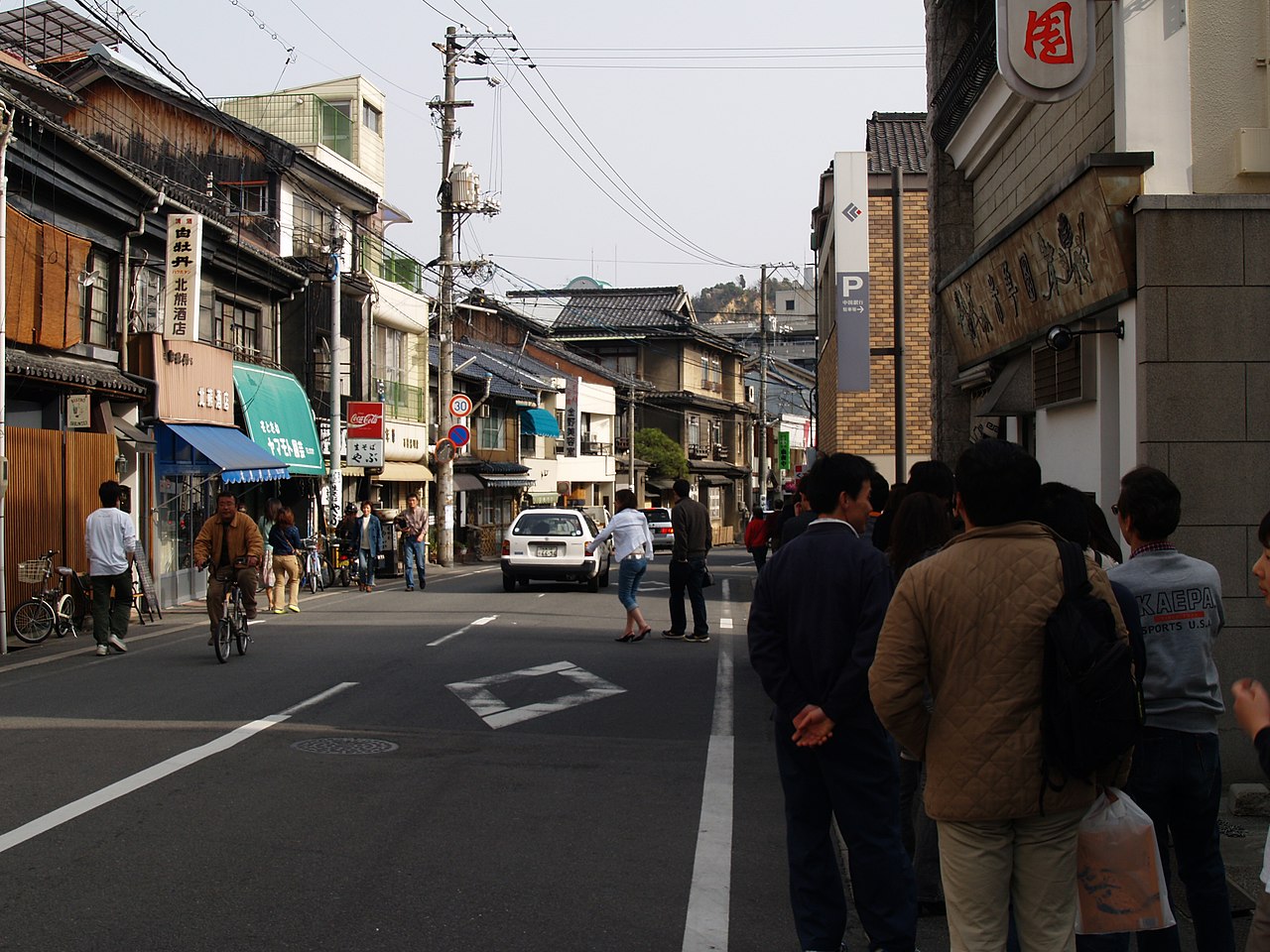
Mihara City lies in the south of Hiroshima Prefecture, facing the Seto Inland Sea. It is a historic town that grew up around Mihara Castle, built by the Sengoku-period warlord Kobayakawa Takakage, and it is known for the octopus dishes of the Seto Inland Sea. The waters off Mihara have fast-running tides, and octopus that grow up buffeted by those swift currents have firm, tightly packed flesh and a concentrated flavor. Octopus fishing has flourished here since long ago, and a variety of local dishes using octopus have been handed down.
Superb Octopus Dishes
The pride of Mihara's octopus is its firm flesh and rich savor. Besides sashimi of fresh octopus, the eating places around town serve a wide range of dishes — octopus rice, octopus tempura, octopus shabu-shabu and deep-fried octopus. The crisp, snappy bite and the sweetness that spreads as you chew are exceptional. Locally it is loved as home cooking too, and the whole town works to spread the appeal of octopus. It makes for a food experience unique to Mihara, where you can revel in the bounty of the Seto Inland Sea.
The Yassa Festival, a 450-Year Tradition
Mihara's other great specialty is the "Mihara Yassa Festival," held every August. With more than 450 years of history, the festival is said to have begun when people danced to celebrate the completion of Mihara Castle. The sight of dancers parading through the streets to a lively rhythm with cries of "yassa, yassa" is simply overwhelming. Crowds of dancers in colorful costumes, and fireworks coloring the night sky, wrap Mihara's summer in excitement. It is a festival well worth seeing, where you can feel the tradition and vitality of the castle town.
Best Season and Access
Octopus dishes can be enjoyed all year, but the flesh firms up from winter into early spring, when it is especially good. The Yassa Festival is in August. Access is centered on "Mihara Station," a stop on the JR Sanyo Shinkansen, with eating places dotted around the station. Combine it with Onomichi and the islands of the Seto Inland Sea to enjoy the food and festival of Mihara, a castle town where octopus culture runs deep.
Mihara Castle Ruins
The ruins of the naval castle built in 1567 by Kobayakawa Takakage, son of Mori Motonari, remain as "Mihara Castle Ruins." The unusual structure has JR Mihara Station's platform overlapping what was once the main castle enclosure, and you can view the Seto Inland Sea from the castle tower platform ruins.
Practical Information for the Mihara Yassa Festival (2026)
- Dates: August 7 (Fri) to 9 (Sun), 2026 (the 51st edition). It is held every year over the three days of Friday, Saturday and Sunday that include the second Sunday of August
- Yassa dancing: On the Friday and Saturday, dancers parade the dance course around the area in front of Mihara Station from about 5 p.m. Some 7,000 dancers take part
- 2026 Yassa Fireworks Festa: Sunday, August 9, 20:00–20:40
- Number of shells and location: About 8,000 shells (including water fireworks), at the mouth of the Nutagawa River (off the Kaino quay)
- Nearest station: JR Mihara Station (a Sanyo Shinkansen stop). It is about a 20 to 25 minute walk to the fireworks viewing grounds
- Viewing grounds: The paid Wadaoki paid viewing ground (reservation required; gates open at 15:00, with some 3 m × 3 m plots that come with a parking space), and the free Enichi viewing ground (gates open at 16:00) and Dote (embankment) viewing ground
- Stalls and street vendors: About 80 stalls near the Enichi viewing ground. At the Yassa dancing venues, local shopping-district stalls line Marine Road and Teijin-dori, and general stalls line Pair City Chuo Road and West Road
- Restrooms: There are public restrooms in Enichi-Higashi Park, and restrooms are set up inside the paid viewing ground
- What you may bring: Food and drink (including alcohol) and cool boxes may be brought in. Chairs are allowed at Wadaoki, and picnic sheets in the free areas. Open flames (cooking equipment) are not allowed
- Parking: Temporary parking lots are planned at Mihara Elementary School, the Hiroshima University Attached Mihara School, Tanoura Elementary School, the former fire headquarters site and the former Enichi government office site. There is no parking near the venue, and unauthorized parking at nearby commercial facilities is prohibited
- In case of rain: The event is cancelled in stormy weather. The decision is made at noon on the day, and cancellation is announced on the official website
- A note on crowds: In a typical year some 400,000 people come over the three days. Coin parking lots in the area fill up early, so the organizers also recommend using public transport
- Inquiries: Mihara Yassa Festival Executive Committee Office 0848-62-6155 / Mihara City Tourism Section 0848-67-6014
*For 2026, the capacity, fees and hours of the temporary parking lots, the times of traffic restrictions, and the seat types and prices for the paid viewing seats are still listed as "in preparation" on the official website. Please check the latest information before your visit.*
Sources of Information
(Sources: the official Mihara Yassa Festival website and Mihara Kanko Navi.)
📍 Location & Access



Share this article


✍️ About this article
This article is compiled by the Tabitabi JAPAN editorial team from official and primary sources, including facility and shrine/temple websites, tourism information published by municipalities and tourism associations, and cultural-property records released by national and local governments. Prices, opening hours and event dates may change, so please also check the official information of each facility or local government before you visit.