Hassaku Daifuku: A Citrus Filled Sweet Born on Innoshima
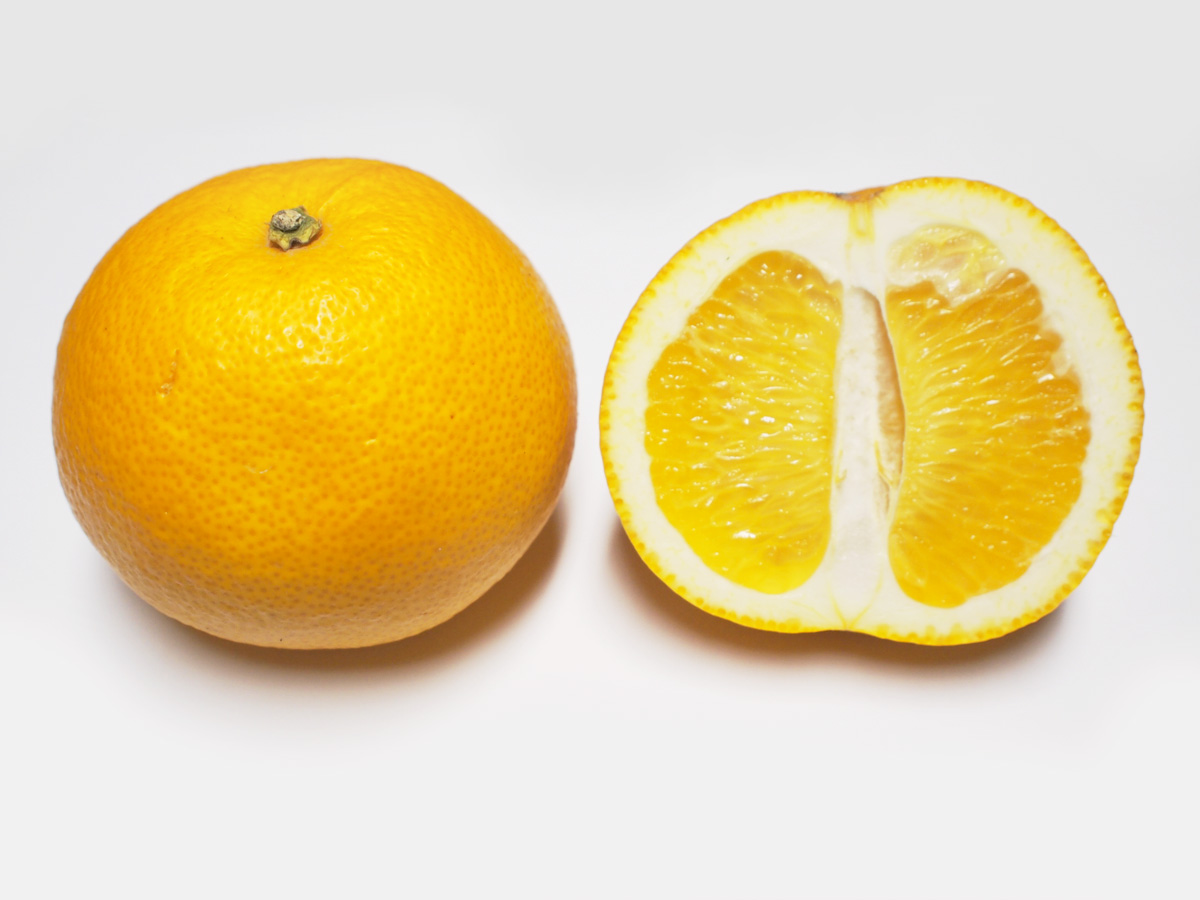
Hassaku daifuku is a Japanese sweet born on Innoshima, said to be the birthplace of the hassaku citrus. Soft mochi wraps white bean paste and juicy hassaku flesh, and a pleasant tang and slight bitterness lift the refined sweetness. Its refreshing taste is easy to enjoy even for those who find sweets too rich, and it has become a pleasure for visitors to the Shimanami Kaido.
Highlights
One bite releases chewy mochi, mellow white bean paste, and bursting hassaku juice in a fine balance of sweet and sour. The citrus freshness leaves a clean, crisp finish. It is a local sweet beloved even by cyclists riding the Shimanami Kaido, and the juicy flesh from Innoshima, home of the hassaku, is its greatest charm.
Enjoying the Seasons
Hassaku is in season from winter into spring, when the flesh is at its most flavorful. Its bright acidity is welcome in the heat too, tasting even better when chilled. It is a perfect companion for a rest stop while touring the Shimanami Kaido, and in season the flavor of the flesh stands out all the more.

Access and Basic Information
Hassaku daifuku is known as a specialty of Innoshima, served at shops near the foot of the Innoshima Bridge. The location is easy to reach while cycling the Shimanami Kaido or hopping between islands. Gift shops in Onomichi also carry it, available as a travel keepsake. At a few hundred yen apiece, it is an approachable sweet even as a rest stop snack.
Practical Travel Notes
The Shimanami Kaido is known as a mecca for cycling, and Innoshima lies along the route that crosses bridges between islands from Onomichi to Imabari. Enjoyed around the Innoshima Bridge, hassaku daifuku is popular as a cyclists refueling snack and serves as a marker for rest stops. As a fresh sweet that does not keep long, the rule is to eat it as soon as you can after buying. If carrying it home as a gift, adjust your purchase timing with cooling or same day eating in mind. Being a citrus island, some shops offer sweets made with other citrus besides hassaku, so comparing them is fun too. Visiting in the winter to spring peak season rewards you with the sweet at its most flavorful.
A Quick Tip
Its appeal lies in just made juiciness, so it is best to enjoy it as soon as possible. Chilling firms up the texture of the flesh for an even crisper bite. It does not keep long, so mind the timing of your purchase when buying it as a gift. Enjoyed during a cycling break, the tang and sweetness make a pleasant source of energy.
Practical Information for Your Visit
- Price: 230 yen per hassaku daifuku (including tax)
- Season on sale: From around October to June of the following year. They are not sold in summer
- Best-before date and storage: Three days including the day of production. Must be refrigerated. If you are taking them home, bring an ice pack and a cool bag
- Opening hours of Hassaku-ya: From 8:30 until they sell out. They are popular, so visit in the morning if you want to be sure of getting one
- Closing days of Hassaku-ya: Mondays and Tuesdays. Note that you cannot buy them on an itinerary that brings you here at the start of the week
- Address: 246-1 Innoshima Ohama-cho, Onomichi City, Hiroshima Prefecture (in Innoshima Bridge Memorial Park, telephone 0845-24-0715)
- Access by car: Coming along the Shimanami Kaido (Nishiseto Expressway) from the Onomichi side, it is about 10 minutes from the Innoshima-Kita IC; from Shikoku and Imabari it is about 15 minutes from the Innoshima-Minami IC
- Parking: There is a large car park within Innoshima Bridge Memorial Park
- Access by bicycle: It stands at the foot of the Innoshima Bridge on the Shimanami Kaido cycling route, an easy place to stop for refuelling as you cross between the islands
- Takeaway and orders: As well as selling over the counter, they take orders and mail-order requests by fax. Get in touch in advance if you need a large quantity
- Where to eat: There is an eat-in space inside the shop, so you can eat what you buy on the spot
- Time required: 15-30 minutes if you simply buy one and eat it, or about an hour combined with the view of the bridge from Innoshima Bridge Memorial Park
- In wet weather: You can eat inside the shop, so rain is no problem. If you were planning to stop here while cycling, however, do not push it on a rainy day and switch to travelling by car
- Footing and pushchairs: The paths within the park are well maintained, but the route up to the deck of the Innoshima Bridge involves an uphill climb
- Budget guide: 230 yen each. Even buying several comes to around 1,000 yen, an affordable snack along the way
- Combine it with: Cycling the Shimanami Kaido, Setouchi lemons and the citrus groves of Innoshima
Information Sources
The price, ingredients, season on sale, best-before date and storage method of the hassaku daifuku, and the address, telephone number, opening hours, closing days, parking and travel times from the expressway interchanges for Hassaku-ya, were confirmed on the product and access pages of the official Hassaku-ya website. The story of how the hassaku citrus was found as a chance seedling in the grounds of Jodo-ji Temple on Mount Keinichi in Innoshima, and the origin of the name "Hassaku" given by the head priest Oe Etoku Shonin, draw on the explanation of its origins on the official Hassaku-ya website and on tourist information for Innoshima. Prices, opening hours and the season on sale are subject to change, so please check the official information before you set out.
📍 Location & Access


Share this article


✍️ About this article
This article is compiled by the Tabitabi JAPAN editorial team from official and primary sources, including facility and shrine/temple websites, tourism information published by municipalities and tourism associations, and cultural-property records released by national and local governments. Prices, opening hours and event dates may change, so please also check the official information of each facility or local government before you visit.