
Makabe Hinamatsuri: Hina Dolls in a Historic Edo-Era Town
The Makabe Hinamatsuri - Hina Dolls Adorning a Historic Warehouse Town
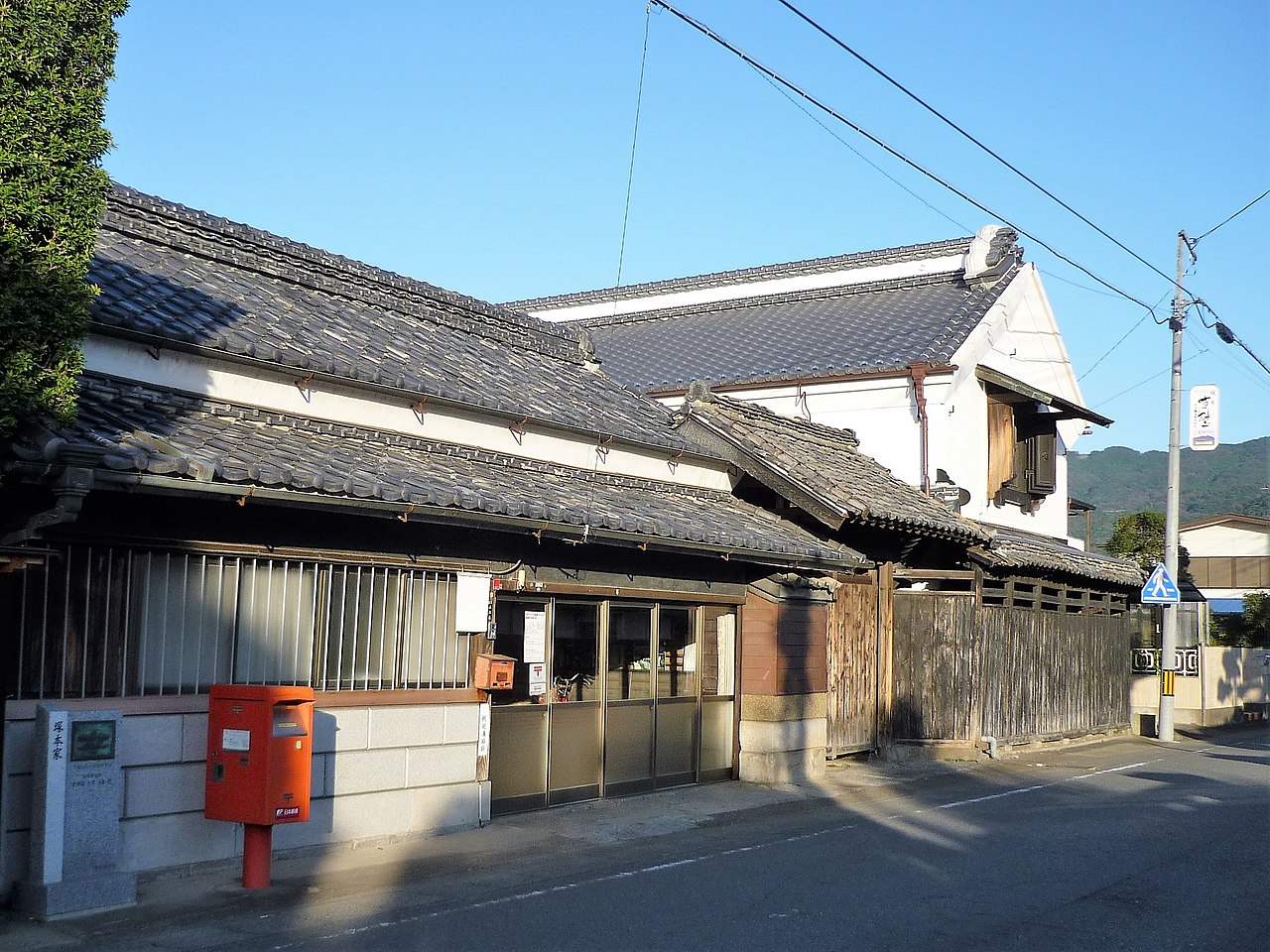
The town of Makabe (Makabe-cho) in Sakuragawa City, Ibaraki Prefecture, spreads across the northern foothills of Mount Tsukuba - a historic warehouse town (kura-no-machi) whose traditions stretch back to the Edo period. Approximately 100 buildings, including merchant storehouses (mise-gura), earthen-walled storehouses (dozo), and physician-gate entrances (yakui-mon), are registered as national Tangible Cultural Properties, and the town as a whole shows the graceful bearing that has earned it the name "the Little Kyoto of the Kanto region." Along its orderly grid of streets, historic buildings that speak of past prosperity stand quietly side by side, and simply walking there makes visitors feel as though they have stepped back in time.
The Bustle of the Hinamatsuri
Held every year from early February to early March, the "Makabe Hinamatsuri" is a major event that involves the whole town. Throughout the period, the storehouses, merchant houses and private homes across town display the hina dolls they are proudest of at their eaves. From Edo-period kokin-bina handed down through the generations, to clay dolls and modern tiered displays, about 160 households put on displays exactly as they please. Drawn by the gorgeous scene woven from the retro townscape and the many-colored hina dolls, several hundred thousand visitors come during the festival period. The charm lies in the treasure-hunt-like pleasure of peering into one house after another as you walk.
Historic merchant houses, craft workshops, restaurants, and public facilities throughout the town display elaborate sets of traditional hina dolls in their shop fronts, entryways, and display windows. The sight of magnificent hina doll sets - some passed down for generations - arranged in the dignified old buildings creates an atmosphere of extraordinary grace and cultural depth.
The Makabe Hinamatsuri is not merely a display event: walking through the town from one doll arrangement to the next, pausing to speak with shop owners about the history of their dolls, and settling into a local cafe, turns the visit into a full-day cultural experience.
The Culture of Makabe Stone
Makabe is also known as a major producer of fine granite called "Makabe stone," and stone processing for lanterns and gravestones has flourished here since long ago. Hina dolls displayed against a backdrop of massive stone storehouses and stone walls have a distinctive air you will not find in other places. Walk the town and you sense at every turn the character of a craftsmen's town where stone culture is still alive.
How the Hinamatsuri Came to Be - From the Residents' Sense of Hospitality
When you hear of an event held in a historic townscape, you may picture a traditional rite carried on for centuries. Yet the Makabe Hinamatsuri is, surprisingly, a new event. According to the Sakuragawa City Tourism Association, it began at the end of 2002 (Heisei 14). Local volunteers thinking about how to revitalize the town said, "Could we not offer some hospitality to the people who come to Makabe in the cold?" - and out of that remark came the idea of "displaying hina dolls around the town."
In late January of the following year, 2003 (Heisei 15), when the volunteers who had proposed the idea began displaying hina dolls in their own homes, neighbors who saw them brought out dolls of their own one after another, and in the first year it is said the practice spread to about 40 households. It was not a tourism event planned and led by the local government but something that grew spontaneously out of the residents' "spirit of hospitality" - and this is the character at the root of the Makabe Hinamatsuri.
From the second year onward it has been named as a series of chapters - "Chapter Two," "Chapter Three" and so on - and it has now grown into a major winter event with more than 100 households displaying hina dolls and about 70,000 people visiting. Even so, the "free participation" stance has been preserved: whether to display at all, and what and how to display, is entirely up to each household. That is exactly why every house has its own character, and why you never tire of it however many you peer into.
Highlights - Storehouses, Hanging Dolls, and Conversations with People
The pairing of storehouses and hina dolls: Many of Makabe's merchant and earthen storehouses have calm black exteriors or massive stone construction, and those quiet tones make the scarlet felt cloth and the vividly colored hina dolls stand out all the more. A light glowing deep inside a dim storehouse, with the tiered doll stand emerging from the shadows, is a sight unique to Makabe that you cannot experience at hina festivals elsewhere. The old dolls handed down through generations have faces and costume colors different from modern ones, and you notice how the passing of eras is carved into the dolls' expressions.
Hanging dolls and handmade dolls: Hanging tsurushi-bina and handmade dolls created by residents who take up handicrafts as a hobby also dangle here and there around town. Small crepe-silk ornaments swaying under the eaves are endearing, subjects that make you stop in your tracks.
Tea, sweet amazake, and conversation: What the Sakuragawa City Tourism Association calls the "greatest distinguishing feature" is the hospitality of the residents. Visitors are served tea or amazake, and the head of the house will tell you things like "this doll goes back to my grandmother's day" or "this storehouse was used for such-and-such a trade." More than looking at dolls, exchanging words with the people of Makabe is the true essence of this festival. It feels less like "viewing an exhibition" and more like being invited into someone's home.
Wa-no-Kaze Nagashibina: During the period, the "Wa-no-Kaze Nagashibina," in which children float dolls down the Yamaguchi River, has also been held. It is a simple, warm rite in which the whole community prays for the healthy growth of children.
Tips for Viewing
Because the town is laid out in an orderly grid, it is easy to get around on foot - that is one advantage. On the other hand, the displays are scattered across more than 100 households, so rather than trying to see everything in a day, you will end up more satisfied by narrowing down to a few streets and walking them carefully. Map in hand, peer under the eaves of a house that catches your eye, and stop when someone calls out to you - that "treasure hunt" rhythm suits this festival well.
Makabe in February is bitterly cold. The inside of a storehouse is often barely warmer than outdoors, so along with a thick coat, bring gloves and a scarf, plus well-worn shoes you can walk in for long stretches. When taking photos, you may be tempted to add light inside a dark storehouse, but that space is also where the dolls' owners live. Asking first whether photography is all right is the minimum courtesy.
Best Season and Access
The Hinamatsuri runs from early February to early March. Weekends are especially busy, so weekdays are recommended if you want to tour at leisure. It is still cold at this time of year, so dress warmly. By car it is about 20 minutes from the Sakuragawa-Chikusei IC on the Kita-Kanto Expressway. During the Hinamatsuri period, shuttle buses also run from Iwase Station and Shimodate Station on the JR Mito Line. In spring, combining the visit with sightseeing on Mount Tsukuba, known for one of Japan's three great toad-oil sales patters, is also recommended.
Practical Information for Your Visit (based on the 2026 event)
- Dates: From Wednesday 4 February to Tuesday 3 March 2026 (Reiwa 8). The official title is Makabe Hinamatsuri: The Breeze of Japan, Chapter 22
- Venue: The Makabe town centre and surrounding area (Makabe-cho, Sakuragawa City, Ibaraki Prefecture). During the festival, more than 100 homes and shops display hina dolls
- Note for your visit: Many shops close on Wednesdays, so if you are visiting on a weekday it is safer to avoid Wednesday
- Admission: Free to view
- Parking: Makabe Takagami-cho car park, 65 spaces for ordinary cars and 4 for buses, 500 yen per vehicle, right at the venue with no walking required. The former Makabe Elementary School, free of charge, ordinary cars only, about an 8-minute walk from the venue. Set your car navigation system to the former Makabe Elementary School (25 Ta, Makabe-cho, Sakuragawa City)
- Special buses: Special buses run from Tsukuba Station on the Tsukuba Express, but they operate on only 2 days, Saturday 28 February and Sunday 1 March, and require a reservation (bookings open at 9:00 on 1 December of the previous year)
- Traffic restrictions: In place from 10:30 to 15:30 on Saturday 21, Sunday 22 and Monday 23 February (a public holiday), Saturday 28 February and Sunday 1 March
Note: The opening times, food stalls and toilets have not been announced officially.
(Sources: Sakuragawa City Tourism Association, official Sakuragawa City website)
📍 Location & Access


Share this article


✍️ About this article
This article is compiled by the Tabitabi JAPAN editorial team from official and primary sources, including facility and shrine/temple websites, tourism information published by municipalities and tourism associations, and cultural-property records released by national and local governments. Prices, opening hours and event dates may change, so please also check the official information of each facility or local government before you visit.