
Ibaraki Winter Travel: Kairakuen Plum, Frozen Fukuroda Falls & Mt. Tsukuba
The Charm of Ibaraki in Winter
"Ibaraki as a winter destination?"—those who thought that are exactly the ones who should read on. The answer is sure to turn into anticipation for a trip. Ice art created by the freezing cold, Japan's oldest garden where the scent of plum blossoms quietly drifts, and the mystical view of a sacred peak floating above a sea of clouds—Ibaraki's winter holds spectacular scenery and experiences you can never encounter in any other season or any other place. The deeper the cold, the more they shine, sending a thrill through the hearts of those who visit. We bring you the charms of an Ibaraki winter trip in full, along with special hidden-gem information and travel tips.
The Frozen Fukuroda Falls
Fukuroda Falls, counted among "Japan's three most famous waterfalls." Even normally it astonishes visitors with its overwhelming scale of 73 m wide and 120 m high, but in winter its appearance undergoes an even more dramatic transformation. In the depths of winter, the entire flow of the falls slowly freezes over, transforming into a gigantic silver-white "wall of ice." The moment when layer upon layer of icicles glitter pale blue in the morning light—the moment you witness that scene, you find yourself at a loss for words. That is the winter face of Fukuroda Falls.
The best season is typically mid-January to early February. Its appearance changes year by year depending on temperature and weather conditions, and the impact of a year when it freezes completely is truly stunning. Spectacular photos that spread on social media are born precisely in years of complete freezing. The view from the Second Observation Deck beyond the observation tunnel is especially recommended. The impact of the wall of ice looming up close is something that photos and videos can hardly convey in full. Please see it with your own eyes.
Furthermore, the light-up (nighttime illumination) held on weekends is not to be missed. When the sun sets, blue and purple lighting dramatically illuminates the countless icicles, and a fantastical, bewitching world spreads out, completely different from the solemn beauty of daytime. If you have time to spare, it is also recommended to visit twice, during the day and at night, to enjoy the entirely different faces.
[Hidden gem info] The peak of crowds is around 10 a.m. to 2 p.m. on weekends. If you visit around 9 a.m., right after opening on a weekday, you can avoid the crowds and have the frozen falls all to yourself at your leisure. Also, while many tourists turn back at the main observation deck, the Second Observation Deck at the far end of the observation tunnel is often relatively empty, a hidden spot where you can aim for a more close-up, powerful composition. Photo enthusiasts, please extend your walk there.
[Local way to enjoy] After viewing the frozen falls, warming your body chilled to the core at the Daigo Onsen scattered around the falls is the local way. The sensation of your body slowly thawing is an exceptional luxury unique to winter. Also, Daigo Town has gourmet foods you'll want to taste even in winter. The regional brand Hitachi Aki Soba has an exceptional flavor, rich and full of body. And surprisingly little known is that Daigo Town is a leading apple-producing area. Daigo apples, condensed with a crisp texture and rich sweetness, can be bought at direct-sales shops even in winter. Stop by on your way home and take some as a souvenir.
Access
- Train + bus: Get off at "Fukuroda Station" on the JR Suigun Line, then about 10 minutes by Kanto Railway bus (or about 20 to 25 minutes on foot). From Mito Station it is about 1 hour 20 minutes on the Suigun Line. The winter scenery of Okukuji viewed from the windows of the local line is also full of travel sentiment.
- Car: About 50 minutes from "Naka IC" on the Joban Expressway. In winter there is a risk of road freezing and snow accumulation, so be sure to prepare studless tires or tire chains. Roads with continuous curves in the mountainous areas require special caution.
- Parking: There are several paid parking lots nearby. On weekends they often fill up from early hours, so we strongly recommend arriving around 8 to 9 a.m.
- Observation facility admission: Adults 300 yen (as of 2025)
Tip for travelers: The area around the falls is several degrees colder than flat land, and the cold inside the observation tunnel in particular becomes intense. A down jacket, gloves, and thick socks are essential gear. Since the footing is often frozen, bringing high-grip hiking boots or lightweight crampons gives peace of mind. Also, since light-up viewing is at night, we recommend bringing one extra layer of warm clothing.
Kairakuen Plum Festival
"The Mito Plum Festival"—its name is so famous that there is hardly a flower lover in the whole country who doesn't know it, but when you actually visit, everyone gasps at a splendor far exceeding their imagination. At Kairakuen, one of the largest plum-blossom spots in the country, the sight of about 100 varieties and 3,000 plum trees blooming all at once is truly a "plum paradise." Walking among the colorful plums—white, pink, deep crimson—blooming as if competing with one another, a sweet, pure fragrance gently envelops your whole body. That fragrance announcing the end of the long winter is somehow nostalgic and warms the heart—such a blissful time.
The best viewing is typically mid-February to early March. However, since the early-blooming varieties begin to flower from late January, the nice thing is that once February arrives you can enjoy something whenever you visit. During the plum festival period (typically February to March), not only the garden but also the area around Mito Station comes alive, with stalls selling local products and food lined up, and the whole town wrapped in a festival mood.
The recommended time is early in the morning (around 9 to 10 a.m.). In the clear morning air, the luxury of having the scent of plums and the silence all to yourself in a garden still with few people is a privilege granted only to early risers. On the other hand, the "Night Plum Festival" held from evening onward shows lit-up plums with a bewitching, fantastical expression, a complete change from the crisp beauty of daytime. It is a greedy way to enjoy, experiencing entirely different worlds in the same place.
[Hidden gem info] If the main venue of Kairakuen is crowded on weekends, a stroll along the shore of the adjacent Lake Senba is recommended. The composition that gives a panoramic view of the Mito cityscape and the plum grove across the lake is outstandingly photogenic and is a viewpoint loved by locals as well. Furthermore, the "Kobuntei" within the garden is a historic structure said to have been designed with the involvement of Tokugawa Nariaki, the 9th lord of the Mito domain. During the plum season the interior is sometimes opened to the public, a spot known to those in the know where you can enjoy the plum scenery the lord of that time would have viewed, from the same vantage point.
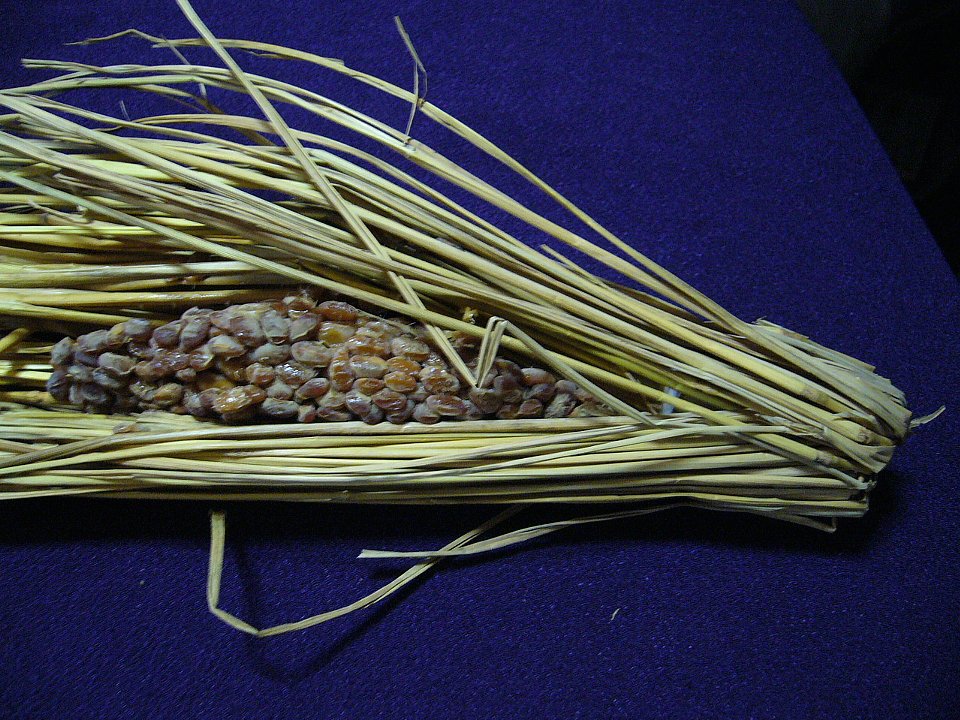
[Local way to enjoy] When it comes to Mito, you can't leave out natto. During the plum festival period, restaurants around the station sometimes offer unique plum-and-natto collaboration menus, so by all means take on the challenge as a conversation topic. Also, souvenirs using plum fruit, such as plum wine, pickled plums, and plum jam, are available in a rich variety at souvenir shops around Kairakuen, a heaven-like selection for plum lovers. You are bound to lose track of time choosing souvenirs for yourself.
Access
- Train: About 10 minutes by bus from the south exit of "Mito Station" on the JR Joban Line / Mito Line (get off at the Kairakuen Iriguchi bus stop), or about 25 minutes on foot. During the plum festival period, a temporary Kairakuen Station (Joban Line / Mito Line) is set up, allowing superb access right by the garden on foot (in some cases only inbound trains stop). From Tokyo (Ueno) it is about 70 minutes to Mito on the limited express "Hitachi," a distance that is more than enjoyable even as a day trip.
- Car: About 15 minutes from "Mito IC" on the Joban Expressway. There are paid parking lots around Kairakuen. However, on festival-period weekends the surrounding roads become very congested. To avoid wearing yourself out in traffic on a precious trip, we strongly recommend using public transportation.
- Admission: Charged during the plum festival period (around 300 yen for adults), free during regular periods.
Tip for travelers: The festival weekends (especially the peak from late February to early March) are the most crowded around Kairakuen all year. If you want to avoid crowds, weekday mornings are best. Also, during the festival period hotels around Mito Station fill up early. Those considering an overnight stay should keep in mind that booking 2 to 3 months in advance is essential.
Mount Tsukuba
"Fuji to the west, Tsukuba to the east"—a famous mountain representing the Kanto region, long praised alongside Mount Fuji. At 877 m, the number alone may not seem high at all, but its figure rising in striking isolation over the vast Kanto Plain captivates the eye even from afar. And when you stand at the summit on a clear winter day, you can sometimes see all the way to Mount Fuji and the Tokyo Skytree across the crystal-clear air, leaving visitors so moved they lose their words.
The greatest highlight of Mount Tsukuba in winter is, above all, the sea of clouds and rime ice. On an early morning when conditions align, the vast Kanto Plain spreading below sinks quietly into a white sea of clouds, and only the summit appears like a solitary island floating in the blue sky—a scene so overwhelmingly beautiful that anyone who has witnessed it even once can't help thinking, "I want to come again." A sea of clouds is likely to form on clear early mornings from November to February, when radiative cooling readily occurs. The morning after a day with a large temperature difference from the previous day is especially promising.
Furthermore, in midwinter, rime ice (tree frost) sometimes forms on the trees near the summit. The fantastical experience of walking among trees clad in silver-glittering ice crystals is a winter gift granted only to climbers. Because a ropeway and cable car are in place, even those not confident in climbing can feel at ease, but to aim for the sea of clouds you need to climb under your own power before the first ride. It is not unusual for serious sea-of-clouds hunters to set off at 3 to 4 a.m. with headlamps in hand.
[Hidden gem info] The summits of both Mount Nantai and Mount Nyotai are standard, but Miyukigahara spreading between them has few tourists and is a hidden spot where you can enjoy the spectacular views at your leisure. The 360-degree panoramic view from the Koma Observation Deck is exceptional. Also, the climbing trail of the "Cable Car Course" from Tsukubasan Shrine to Miyukigahara is well maintained and is popular with local hikers as a route that can be walked relatively safely even in winter.
[Local way to enjoy] Once you descend the mountain, thoroughly soothe your climbing fatigue at the Tsukubasan Onsen (such as Aokiya and Edoya) scattered around the foot of Mount Tsukuba. Many facilities accommodate day-use bathing, and the nice thing is that you can stop by on a whim. Also, "gama no abura" (a medicinal ointment passed down from old times), available only at souvenir shops along the approach, is a super-rare souvenir unique to Mount Tsukuba. If you're lucky, you may even come across the sales pitch of the eloquent "gama spiel" performance, which alone is sure to become a memory of your trip.
Access
- Train + bus (using the Tsukuba Express): About 45 minutes (rapid) from Akihabara Station to "Tsukuba Station" on the Tsukuba Express. From Tsukuba Station, about 40 to 50 minutes to Tsukubasan Shrine Iriguchi by the "Mount Tsukuba Shuttle Bus (Kanto Railway)." This is the smoothest route for access from Tokyo.
- Train + bus (using JR): About 60 minutes by bus from "Tsuchiura Station" on the JR Joban Line.
- Car: About 40 minutes from "Tsuchiura-kita IC" or "Sakura-Tsuchiura IC" on the Joban Expressway. In winter the road surface near the summit can freeze, so studless tires are strongly recommended.
- Cable car / ropeway: About 8 minutes from "Miyawaki Station" near Tsukubasan Shrine to Miyukigahara Station by cable car. About 6 minutes from Tsutsujigaoka Station to Nyotaisan Station by ropeway. In winter there are suspension periods for regular inspections, so be sure to check the operating status in advance on the official website.
Tip for travelers: The winter summit is about 5 to 10°C colder than flat land, and strong winds are not uncommon. Outerwear, gloves, and a knit cap are essential. For early-morning climbs aiming for the sea of clouds, prepare thoroughly with a headlamp, ample warm clothing, and anti-slip gear. Also, since some restrooms near the summit are closed in winter, we strongly recommend taking care of business at the foot of the mountain before you set off.
Points for Winter Travel
An Ibaraki winter trip's level of fulfillment changes completely depending on the timing of your visit and your advance preparation. Fukuroda Falls is at its freezing period of January to February, the Kairakuen Plum Festival at its plum season of February to March, and Mount Tsukuba's sea of clouds on a clear winter early morning—firmly nail down each best timing and make a trip plan you won't regret.
- Be fully prepared against the cold: Ibaraki's winter, centered on the inland areas, has severe chills, and in the mountainous areas of Fukuroda and Mount Tsukuba it can reach below zero. Base your style on layering of functional inners such as Heattech + a down jacket + gloves + a windproof hat, and don't forget wind countermeasures.
- Check your transportation in advance: In winter, snow and freezing can cause delays or suspensions of public transportation. Especially for access to the Suigun Line and mountainous areas, be sure to check the latest operating information before departing.
- Booking accommodations early is the rule: Around Mito during the plum festival period and around Daigo Onsen, lodgings fill up easily during peak tourist seasons. Those considering an overnight stay should book comfortably 2 to 3 months in advance.
- If combining the 3 spots: February, when Fukuroda Falls (January to February) and Kairakuen (February to March) overlap, is the recommended greedy plan. If you add Mount Tsukuba over 3 days and 2 nights, it becomes a fulfilling trip in which you can experience the entire charm of an Ibaraki winter. Scenery and experiences that shine precisely because of the cold season are sure to be deeply etched into your memory.
📍 Location & Access




Share this article


✍️ About this article
This article is compiled by the Tabitabi JAPAN editorial team from official and primary sources, including facility and shrine/temple websites, tourism information published by municipalities and tourism associations, and cultural-property records released by national and local governments. Prices, opening hours and event dates may change, so please also check the official information of each facility or local government before you visit.