
Wakura Onsen: Hot Spring Bathing While Viewing the Sea at Noto's Largest Hot Spring Resort
Surrendering to fine hot water while gazing over the calm waters of Nanao Bay: Wakura Onsen is the largest hot spring resort on the Noto Peninsula. An ancient spring boasting about 1,200 years of history, it has long been known as a rare hot spring that welled up from the sea. With inns lining the shore and the seafood of Noto to enjoy alongside the famed waters, it is a hot spring representative of the Hokuriku region.
Highlights
An Ancient Spring That Welled Up from the Sea
The history of Wakura Onsen is old, said to have been discovered about 1,200 years ago. Its name is said to derive from a welling inlet, and it was originally a rare hot spring that welled up from the seabed offshore. A legend also remains that it was discovered when a wounded egret was seen healing itself in the water. The salt-containing spring is known for warming the body to the core and has been loved by many bathers over its long history. It is a famed spring unique to Noto, existing alongside the bounty of the sea.
Waters Overlooking Nanao Bay
The great charm of Wakura Onsen is, above all, its beautiful location overlooking Nanao Bay. From the resort facing this calm inner sea, you can leisurely watch Notojima island floating on the water and the boats passing to and fro. At seaside inns, the sea can be viewed in full from guest rooms and open-air baths, so you can bathe while enjoying scenery that changes moment by moment. The salt-containing Wakura water has a high heat-retaining effect, so the warmth lingers after your bath.
Noto Seafood and the Hot Spring Town
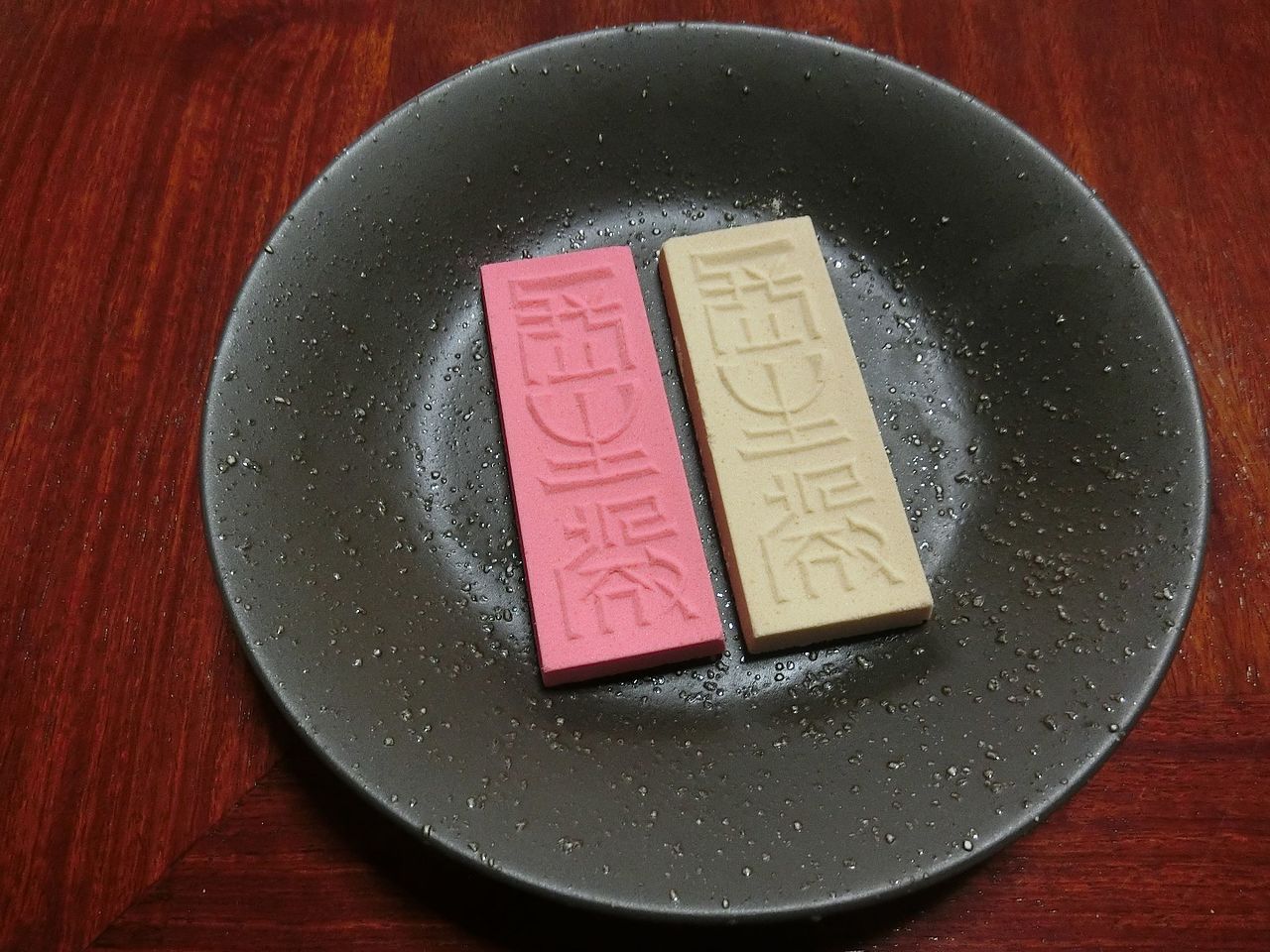
At Wakura Onsen you can savor the rich seafood raised by the Noto sea. Dishes using fresh seafood and the winter delicacy of Noto crab bring seasonal bounty to the table. In the hot spring town, a public bathhouse (soyu), footbaths, and confectionery shops are scattered about, so bath-hopping and strolling can also be enjoyed. Nearby Notojima island has family-friendly spots such as an aquarium and a glass art museum.

Seasonal Enjoyment
Wakura Onsen can be enjoyed year-round, but winter (November to March), when Noto crab is in season, bustles with visitors seeking the flavor. To enjoy the calm sea, spring through autumn is also recommended. The sun setting over Nanao Bay and the seasonal shifts of the sea scenery are exceptional pleasures to watch while soaking.

Access and Basic Information
Access is by bus or car from Wakura Onsen Station on the JR Nanao Line to the hot spring town. From the Kanazawa direction, a limited express is convenient. Touring together with Notojima island and Nanao sightseeing is also recommended. Because operating status and reopening timing vary by inn, always confirm via each inn official information when planning to stay.
Practical Travel Notes
- Wakura Onsen saw many inns and seawalls damaged in the January 2024 Noto Peninsula Earthquake. Many inns, including long-established large ones, closed for extended periods for repair or rebuilding, and while the number of reopened inns is gradually increasing, not all inns are operating as they were before the disaster. When planning a stay, always confirm the latest operating status via official information from each inn and the Wakura Onsen tourism association.
- Recovery works for the town, such as restoration of the seawalls along Nanao Bay, are underway. Depending on the period, construction and traffic conditions may change.
- Staying at Wakura Onsen as a base for day trips to Oku-Noto, such as Wajima, is also a viable plan.
- The operating status of footbaths, the soyu bathhouse, and day-use bathing may also change, so confirming in advance is recommended.
A Word of Advice
Wakura Onsen is a famed spring representative of Noto, still walking its path of recovery after the disaster. Staying at a reopened inn, savoring Noto seafood, and strolling the hot spring town itself becomes a journey that supports the region revival. Confirm the latest information, then slowly surrender yourself to the calm waters of Nanao Bay and the famed hot spring.
📚 Sources
This article is based on information published by Nanao City, the Wakura Onsen Tourism Association, and individual inns and the shared bathhouse (soyu). Wakura Onsen saw many inns and seawalls damaged in the 2024 Noto Peninsula earthquake, and some inns closed long-term for repair or rebuilding. Reopened inns are gradually increasing, but conditions differ by inn. Fees, hours, access, and operating status may change, so when planning a stay, be sure to confirm the latest operating status through each inn and the Wakura Onsen Tourism Association's official sources.
Visitor Checklist
- Time needed: Allow about a half day for a stroll through the hot-spring town and a bath, or an overnight to relax fully. It also works as a day-trip base for the far Noto.
- What to bring: For the footbath, soyu, and day-use bathing, bring small change and a towel. The salty water warms the body, so remember to rehydrate after bathing.
- Suggested route: Enjoy the water and Noto seafood at an inn overlooking Nanao Bay, visit the soyu, footbath, and sweet shops, and extend to nearby Notojima island.
- Check in advance: Operating status and reopening timing differ by inn. Always confirm before staying.
Practical Information for Your Visit
Wakura Onsen Soyu (public day-use hot spring bath) * It was temporarily closed after the Noto Peninsula Earthquake of Reiwa 6 (2024), but the Wakura Onsen Tourism Association's official information announces that it is now operating normally.
- Opening hours: 7:00-21:00 (last entry 20:30)
- Closing days: From January 2026, the 25th of each month (the following Monday when the 25th falls on a Saturday or Sunday). * From April 1, 2025 to December 2025 it was the fourth Thursday
- Fees: 500 yen for adults, 150 yen for elementary school students and 50 yen for preschool children (revised on May 21, 2025)
- Facilities: Large bath, small bath, standing bath, open-air bath, sauna and cold-water bath
- Note: The footbath at the Soyu is badly damaged and cannot be used for the time being. The official information also states that if any problems arise with the facilities, the bath may close from the following day onwards
Operating status of the ryokan (as listed on the official "ryokan" list of the Wakura Onsen Tourism Association and the Wakura Onsen Ryokan Cooperative, as of July 2026)
- Closed: Kagaya; Kagaya's sister inn Aeno Kaze; Tadaya; Taisho Roman no Yado Togetsuan; Niji to Umi
- Operating provisionally: Hotel Kaibo; Yukemuri no Yado Bibanso
- Open only to disaster relief workers: Tenku no Yado Taikanso; Yadomoriya Juen; Oyado Suzuhana
- Reopened: Okudaya (reopened July 9, 2026); Shirasagi no Yu Noto Kaishu (reopened July 16, 2026)
- Open: Hamazuru; Nihon no Yado Notoraku; Nosshu Iroha; TAOYA Wakura; Ajina Yado Hosenkaku; Yunohana; Hanagoyomi
Events and the state of the town
- Wakura Onsen Fireworks Festival: Officially announced as cancelled for fiscal year Reiwa 8 (notice dated January 21, 2026)
- Seawall construction viewing area: Open all year round
Nearby facilities
- Notojima Aquarium: Fully reopened on March 22, 2025. Open 9:00-17:00 from March 20 to November 30 (last entry 16:30) and 9:00-16:30 from December 1 to March 19 (last entry 16:00). Closed December 29 to 31. Admission is 1,890 yen for general visitors (high school students and older) and 510 yen for junior high school students and younger (aged 3 and over), and free for children under 3. 15-bu 40 Notojima Magarimachi, Nanao City (0767-84-1271)
- Ishikawa Notojima Glass Art Museum: Open 9:00-17:00 from April to November and 9:00-16:30 from December to March (last entry 30 minutes before closing). Closed on the third Tuesday of each month (the following day when it falls on a public holiday), during exhibition changeovers and building maintenance, and over the New Year period. Admission for general visitors varies by exhibition; university students 350 yen; free for high school students and younger. 125-10 Notojima Mukaidamachi, Nanao City (0767-84-1175)
- Nanao City combined admission ticket for cultural facilities: Valid at 7 facilities in the city. A 2-day passport costs 1,000 yen (800 yen for university students and younger) and a 1-year passport costs 2,600 yen (1,300 yen for university students and younger)
Access and enquiries
- By car: Take the Noto Satoyama Kaido via the Tokudaotsu JCT and exit at the Wakura IC. It is about 5 minutes to the Wakura Onsen district (official information from the Wakura Onsen Tourism Association)
- Enquiries: Wakura Onsen Tourism Association / Wakura Onsen Ryokan Cooperative (2-13-1 Wakuramachi, Nanao City, Ishikawa Prefecture 926-0175 / 0767-62-1555)
* The reopening dates and operating arrangements of the individual ryokan change. Always check the official information from each ryokan and from the tourism association before booking. * Specific journey times and fares by rail from the Kanazawa direction are not published as figures on the Wakura Onsen Tourism Association's official pages (they are shown only in diagram form). * The number of spaces and the fees for the general car park at Notojima Aquarium are not officially published. (Sources: Wakura Onsen Tourism Association / Wakura Onsen Ryokan Cooperative official website; Notojima Aquarium official website; Ishikawa Notojima Glass Art Museum official website)
📍 Location & Access


Share this article




✍️ About this article
This article is compiled by the Tabitabi JAPAN editorial team from official and primary sources, including facility and shrine/temple websites, tourism information published by municipalities and tourism associations, and cultural-property records released by national and local governments. Prices, opening hours and event dates may change, so please also check the official information of each facility or local government before you visit.