
Hashirimizu Jinja: A Seaside Shrine of Marital Bonds in Yokosuka
Resting quietly on a hill by the sea in Yokosuka, Hashirimizu Jinja is a hidden gem long cherished by local residents. It enshrines two deities, the hero Yamato Takeru and his consort Otachibana Hime. When Yamato Takeru tried to cross the Uraga Channel (the present mouth of Tokyo Bay) by boat during his eastern campaign, a violent storm struck, and Otachibana Hime is said to have thrown herself into the sea to calm the waves. From this story the shrine has come to be revered as a symbol of the deep bond between husband and wife. Unlike the bustling crowds of Kamakura or Enoshima, here you can offer your prayers in peace, surrounded by the sound of the waves and the salt breeze.
Highlights
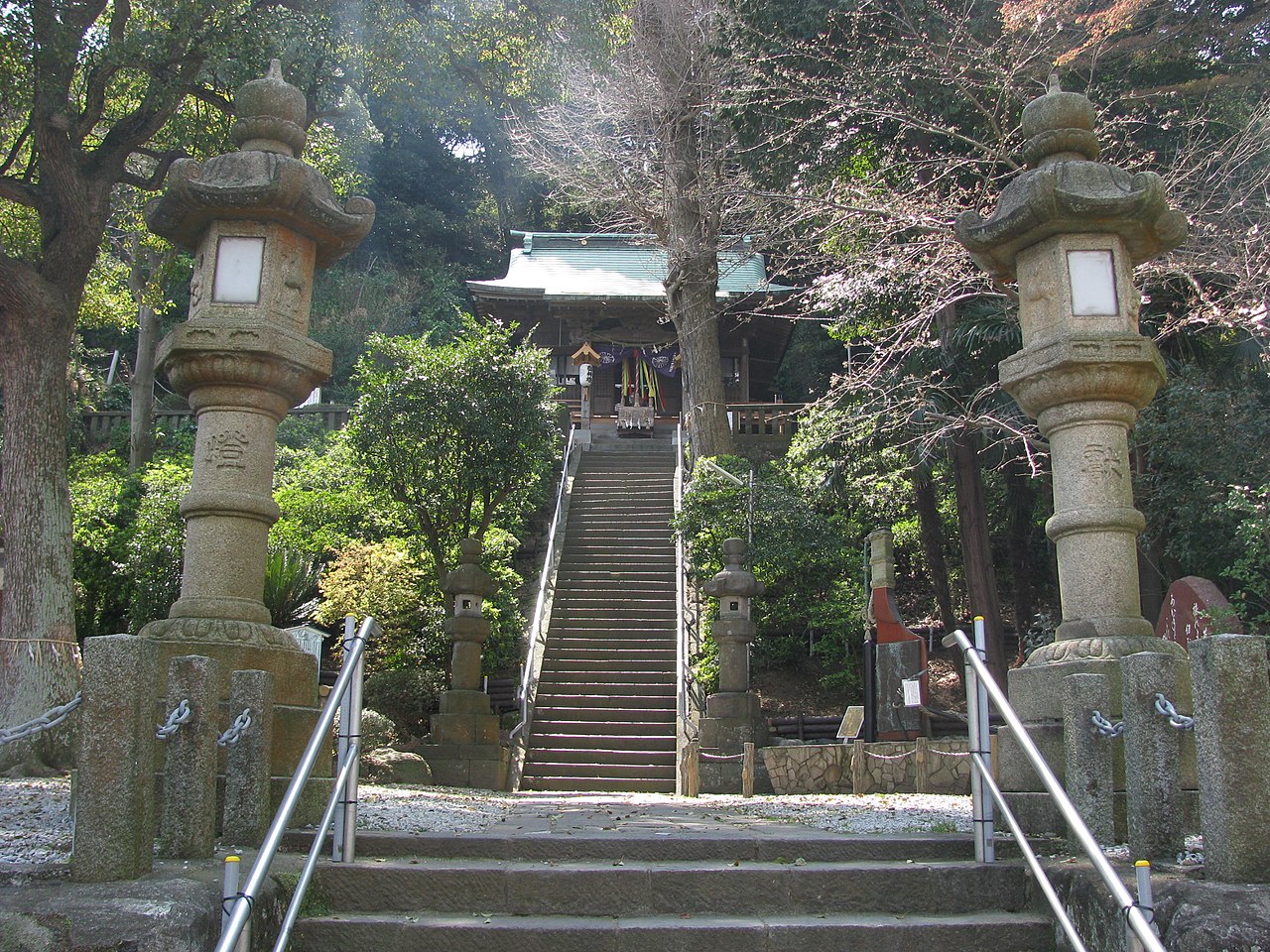
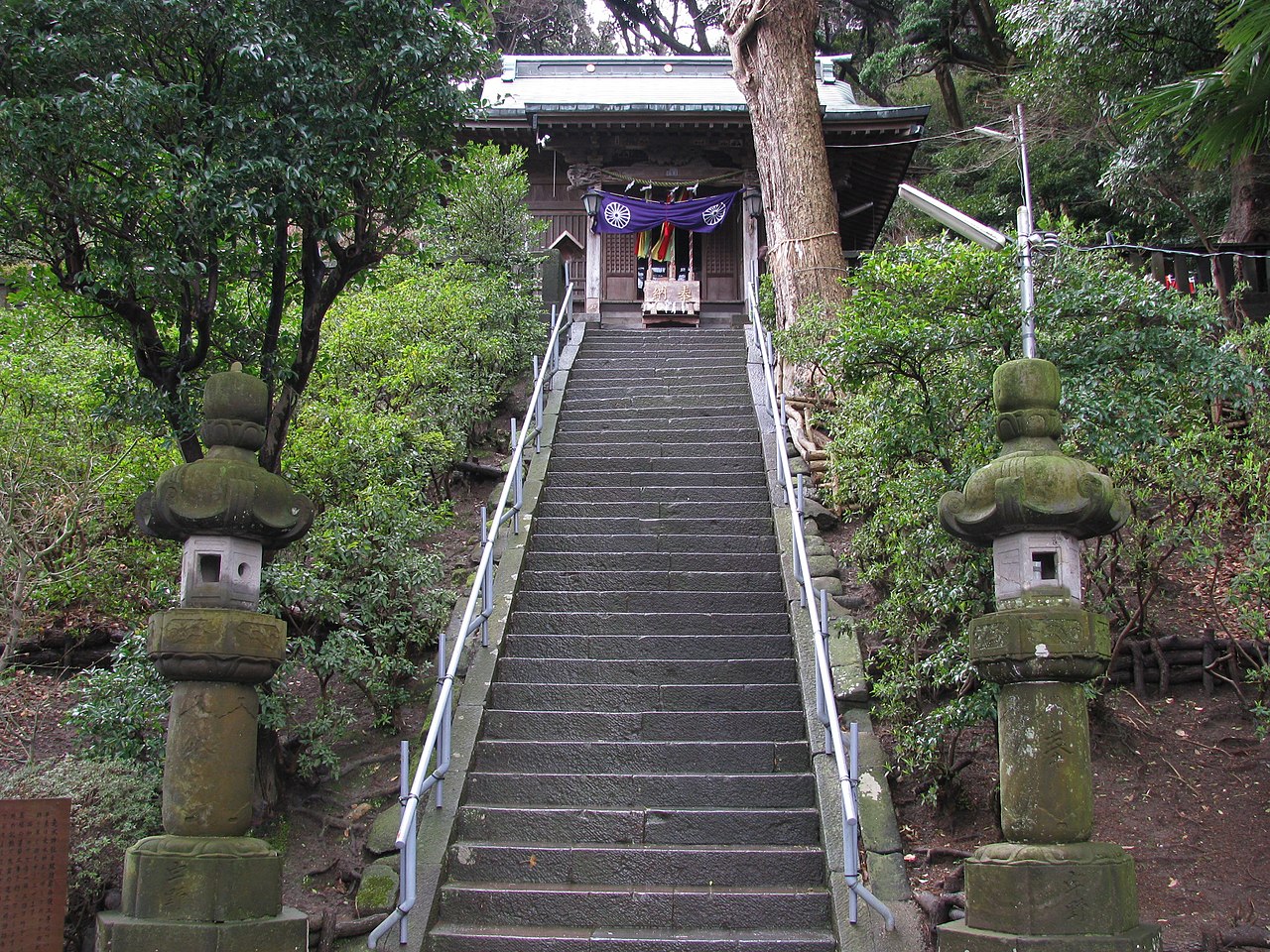
- The shrine hall set on high ground overlooking the sea, with views toward Tokyo Bay and the Boso Peninsula
- The serene precincts tied to the legend of Otachibana Hime entering the sea, evoking a couple devotion
- A calm atmosphere drawing visitors who wish for love and marital harmony
Enjoying the Seasons
In spring, soft new greenery colors the grounds, and in summer a pleasant sea breeze drifts through. From autumn into winter the air grows clear, making the sea and the opposite shore seen from the hill all the more vivid. Because it has never been heavily commercialized, every season offers a quiet moment to reflect.
Access and Basic Information
- Location: 2-12-5 Hashirimizu, Yokosuka City, Kanagawa Prefecture
- Access: From Keikyu Maborikaigan Station, take a Keihin Kyuko bus (route Su-24 or Hori-24 toward Kannonzaki) and get off right at the Hashirimizu Jinja stop
- Hours: The grounds are open during the day. This is an affiliated shrine without a resident priest, and goshuin stamps are issued at the managing Nishi-Kanou Jinja in Nishi-Uraga, Yokosuka
- Admission: Free
Practical Travel Notes
- Best season and time: A clear day from autumn into winter, when the air is crisp and the sea view stands out, is ideal. Visiting during daylight lets you enjoy the Tokyo Bay panorama from the hall
- Time needed: About 15 to 20 minutes for the visit
- Avoiding crowds: Visitor numbers are naturally low, and even weekends stay relatively calm. Buses run infrequently, so checking the timetable in advance is wise
- Nearby real spots: Kannonzaki at the eastern tip of the Miura Peninsula (with its lighthouse and prefectural park) and Hashirimizu fishing port, known for fresh seafood, are close by, pairing well with a seaside walk
- Budget: The visit is free. Bus fare and amulets run to a few hundred yen
A Quick Tip
To enjoy the sea view, a daytime visit on a clear day is best. The seaside hill can be windy, so bringing a light jacket is wise. After your visit, a stroll around the Kannonzaki area rounds out a lovely day by the sea. Note that if you want a goshuin stamp, it is handled at the managing Nishi-Kanou Jinja.
📚 Sources
This information is based on public materials from local governments such as Yokosuka City and tourism associations, on the public information of Nishi-Kanou Shrine, which manages this shrine, and on on-site guidance and history notices. As an attended-by-proxy shrine, goshuin seals and the like are given at the managing shrine. Fees, hours, and access may change, so please check official information before you set out.
Visitor Checklist
- Estimated time: About 15 to 20 minutes to worship within the grounds
- What to bring: A jacket, as the seaside hill can be windy; some small cash if you receive an amulet
- Suggested route: Enjoy the view of Tokyo Bay from the shrine mentioned in the article, and stroll the shore together with nearby Kannonzaki (Kannonzaki Lighthouse and the prefectural Kannonzaki Park) and Hashirimizu fishing port
- Access: From Horinouchi-Kaigan Station on the Keikyu line, take a bus and get off right at the Hashirimizu-jinja stop; buses are limited, so check times in advance
- Budget: Worship is free; a few hundred yen for the bus fare or an amulet
📍 Location & Access


Share this article


✍️ About this article
This article is compiled by the Tabitabi JAPAN editorial team from official and primary sources, including facility and shrine/temple websites, tourism information published by municipalities and tourism associations, and cultural-property records released by national and local governments. Prices, opening hours and event dates may change, so please also check the official information of each facility or local government before you visit.