Ise Jingu: Japan's Highest Sacred Site and the 20-Year Shikinen Sengu
Japan Highest Sacred Site
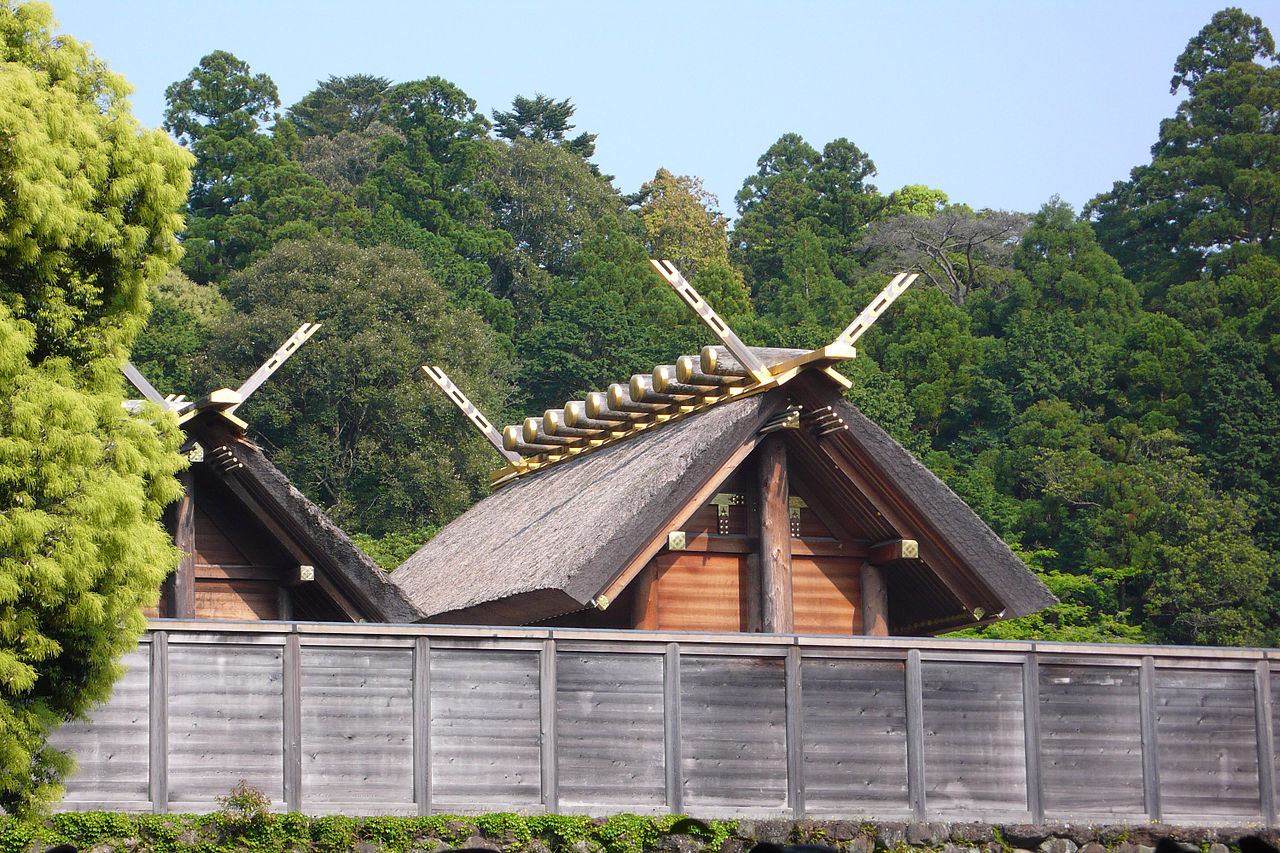
Ise Jingu, officially called just Jingu, stands at the apex of Japan roughly 80,000 shrines and is the nation supreme sacred site. Centered on the Inner Shrine (Kotai Jingu) enshrining Amaterasu-Omikami, the sun goddess and ancestral deity of the Imperial family, and the Outer Shrine (Toyouke Daijingu) enshrining Toyouke-no-Omikami, the guardian of food, clothing, shelter, and industry, it is made up of 125 shrines in all. Since ancient times it has drawn the deep faith of ordinary people as Oise-san and the Ise pilgrimage.

The Shikinen Sengu, Held Once Every Twenty Years
Essential to any account of Ise Jingu is the Shikinen Sengu, held once every 20 years. This is the shrine greatest ritual, in which the buildings, along with the sacred vestments and treasures, are all newly rebuilt and the deities are transferred. The most recent 62nd sengu was held in 2013, and the next 63rd is scheduled for 2033. Through this tradition, repeated for over 1,300 years, the buildings are always kept fresh and vivid, and the skills of the shrine carpenters and the manners of ritual have been handed down across generations.
The Custom of Worshipping the Outer Shrine First, and the Grove of the Sacred Precinct

By long custom, the proper order of worship is the geku-first sequence, touring from the Outer Shrine to the Inner Shrine. Once you cross the Uji Bridge at the entrance of the Inner Shrine, there lies the pure sacred precinct. Purifying body and mind at the ablution place of the Isuzu River and proceeding along an approach lined with cedars centuries old, you arrive at the solemn main sanctuary. At the main sanctuary, worship with two bows, two claps, and one bow. Merely walking through the stillness wrapped in deep groves fills you with a sacred air that naturally straightens your posture.
Highlights
- Outer Shrine (Toyouke Daijingu): Close to Iseshi Station and the starting point of worship. Magatama Pond and the Sengukan hall introducing the Shikinen Sengu are also highlights.
- Inner Shrine (Kotai Jingu): The heart, enshrining Amaterasu-Omikami. The Uji Bridge, Isuzu River, and main sanctuary form the solemn scenery that symbolizes the shrine.
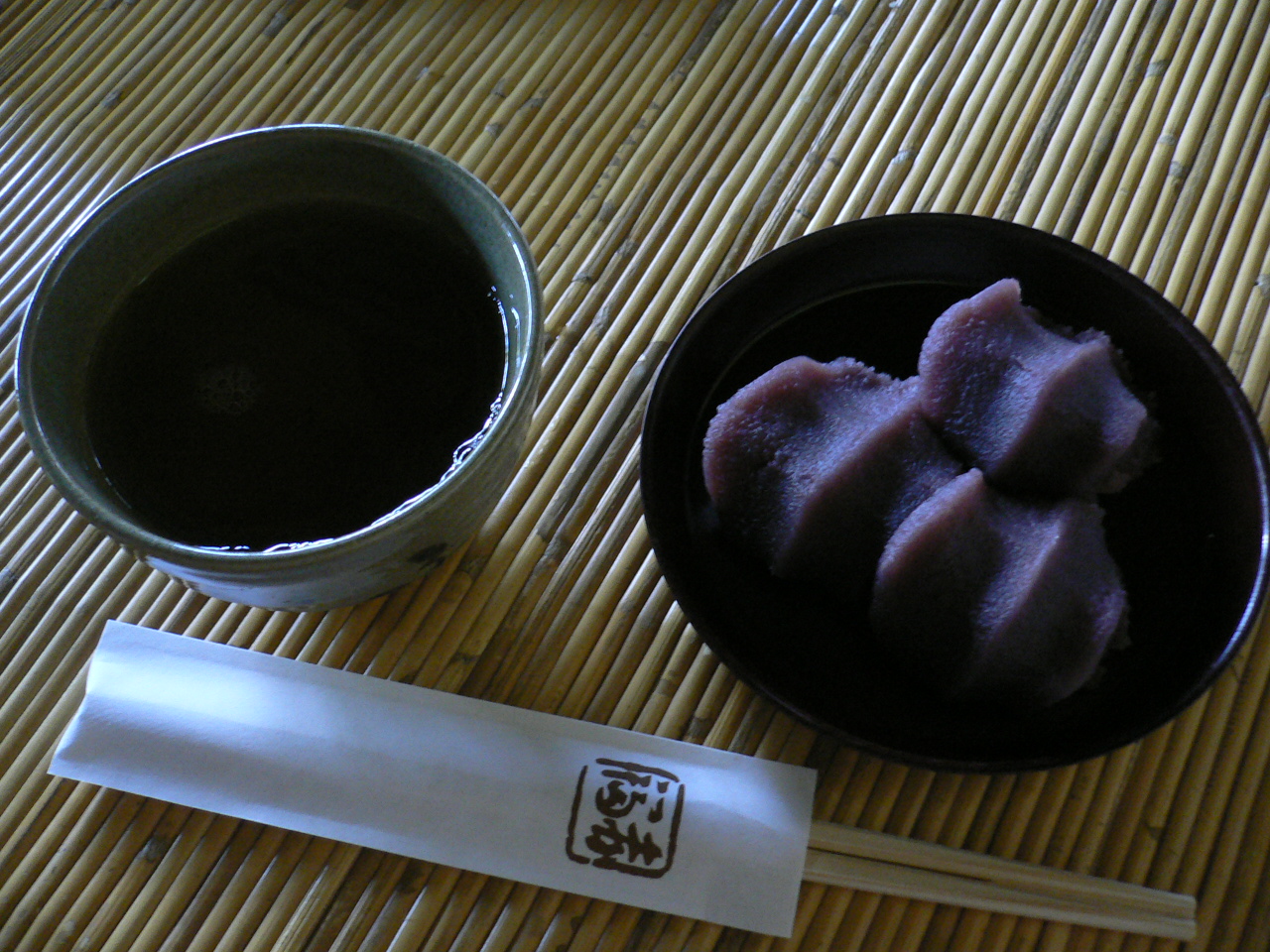
- Okage Yokocho and Oharai-machi: A temple-town approach in front of the Inner Shrine recreating Edo-to-Meiji-period streetscapes. You can enjoy specialties such as ise udon, Akafuku mochi, and tekone sushi.
Access and Basic Information
- Location: Outer Shrine = 279 Toyokawa-cho, Ise City, Mie Prefecture / Inner Shrine = 1 Ujitachi-cho, Ise City, Mie Prefecture
- Access: About a 5-minute walk from Iseshi Station (Kintetsu and JR) to the Outer Shrine. To the Inner Shrine, about 15 to 20 minutes by bus from Iseshi Station or Ujiyamada Station.
- Hours: Vary by season (from early morning to around sunset; changes by period, so check in advance)
- Admission: Free
Practical Travel Notes
- Recommended Season and Time: To avoid crowds, early-morning worship is exceptional. In the seasons of fresh greenery and autumn foliage, the sacred grove shines especially beautifully. The first three days of the New Year and long holidays are extremely crowded.
- Time Needed: About one to one and a half hours each for the Outer and Inner Shrines; allow half a day to a full day for both shrines plus a temple-town stroll to tour at leisure.
- Touring Tip: Following the geku-first custom, go Outer Shrine then Inner Shrine. You can move between the two shrines by bus.
- Nearby Spots: Pairing it with Futami Okitama Shrine (Meoto Iwa), the Ise-Shima seaside, and Kongoshoji Temple on Mt. Asama is also recommended.
- Budget Sense: Worship is free. Even including transport and meals and souvenirs in the temple town, it is easy to enjoy affordably.
A Quick Tip
Worship is properly done in the order of Outer Shrine then Inner Shrine, and touring both together is the basis of an Ise pilgrimage. The approaches are wide and easy to walk, but comfortable shoes are recommended as the gravel continues. After worship, savor the specialties in the temple town in front of the Inner Shrine, and ideally spend a leisurely full day combining the shrine visit with a town walk.
📚 Sources
The official Ise Jingu website and Jingu Shicho public information, together with guidance from the Ise City Tourism Association, are reliable sources for the Gekusensai custom, the Shikinen Sengu, and gate hours. For the Sengukan and Okage Yokocho, the operators’ public information is also helpful.
Worship hours vary by season and differ over the first three days of the New Year and long holidays. Fees, hours, and access may change, so please confirm with official sources before you set out.
Visitor Checklist
- Time needed: About one to 1.5 hours for each of the Outer and Inner shrines; allow a half to full day for both shrines plus a walk through the approach town.
- What to bring: Comfortable walking shoes for the gravel approaches, and a light layer for early-morning worship.
- Suggested route: Following the Gekusensai custom, worship the Outer Shrine before the Inner Shrine; the two are linked by bus, and it is classic to enjoy local specialties in the approach town afterward.
Practical Information for Your Visit
- Worship hours (Naiku, Geku and the auxiliary shrines): from 5:00 a.m. The gates close at 6:00 p.m. from January to April and in September, at 7:00 p.m. from May to August, and at 5:00 p.m. from October to December (with changes over the New Year period)
- Admission: free of charge
- Order of worship: "A pilgrimage to Ise starts at the Geku" is a custom handed down from long ago
- How to worship: two bows, two claps and one bow (two deep bows, then two claps, then one more deep bow)
- Keeping to one side: please keep to the left at the Geku and to the right at the Naiku
- Items available (amulets, charms and goshuin seal stamps): at the Kaguraden of the Naiku and the Geku from 6:00 a.m. to 6:00 p.m. (until 5:00 p.m. from October to December). The counter at the Sanshuden is open from 8:30 a.m. to 4:00 p.m.
- Prayer rites: reception is from 8:00 a.m. to 3:30 p.m. (the rites are performed from 8:30 a.m. to 4:00 p.m.). Reservations cannot be made in advance; apply directly at the prayer reception of the Kaguraden at either the Naiku or the Geku (groups of 100 or more should contact the shrine beforehand)
- Rules within the sacred precincts: smoking is prohibited, and please refrain from eating and drinking. Pets may not be taken in to worship; they are looked after at the guards' post at the entrance
- Access: about 5 minutes on foot from Iseshi Station (Kintetsu and JR) to the Geku. For the Naiku, use the Mie Kotsu local buses (routes 51 and 55) or the "CAN Bus" sightseeing loop bus
- Number of worshippers: more than 7 million people visit the Naiku and the Geku together each year
* Parking is not covered on the shrine's official website. During certain periods such as the New Year, Golden Week and long weekends, a "park and bus ride" scheme runs shuttle buses from temporary car parks as a measure against traffic congestion.
(Sources: Ise Jingu official website, "Worship and Prayer Rites," "Items Available," "Guide to Prayer Rites," "Etiquette and Manners for Worship" and "Access")
📍 Location & Access


Share this article


✍️ About this article
This article is compiled by the Tabitabi JAPAN editorial team from official and primary sources, including facility and shrine/temple websites, tourism information published by municipalities and tourism associations, and cultural-property records released by national and local governments. Prices, opening hours and event dates may change, so please also check the official information of each facility or local government before you visit.