
Ise Jingu and Toba-Shima — Shrine Pilgrimage and the Food Culture of Ama Divers
Sacred precincts wrapped in pure forest, the sound of gravel underfoot along the approach, and a sea of pearls spreading before you: the Ise, Toba, and Shima area of Mie Prefecture is a sacred region often called the spiritual home of the Japanese. Centered on Ise Jingu, once described as a place everyone should visit at least once in a lifetime, it links Toba, where ama diver culture lives on, and Shima, with its lovely rias coast. Offering faith, food, and nature at once, it is one of Mie's leading tourist areas.
Highlights
Ise Jingu is a shrine that represents Japan, located in Ise City and formally called simply Jingu. Centered on the Inner Shrine, which enshrines the imperial ancestral deity Amaterasu Omikami, and the Outer Shrine, which enshrines Toyouke Omikami, deity of food, clothing, and shelter, it comprises 125 shrines including auxiliary and subordinate ones. Walking its pure, forest-wrapped precincts brings a solemn, cleansing feeling.
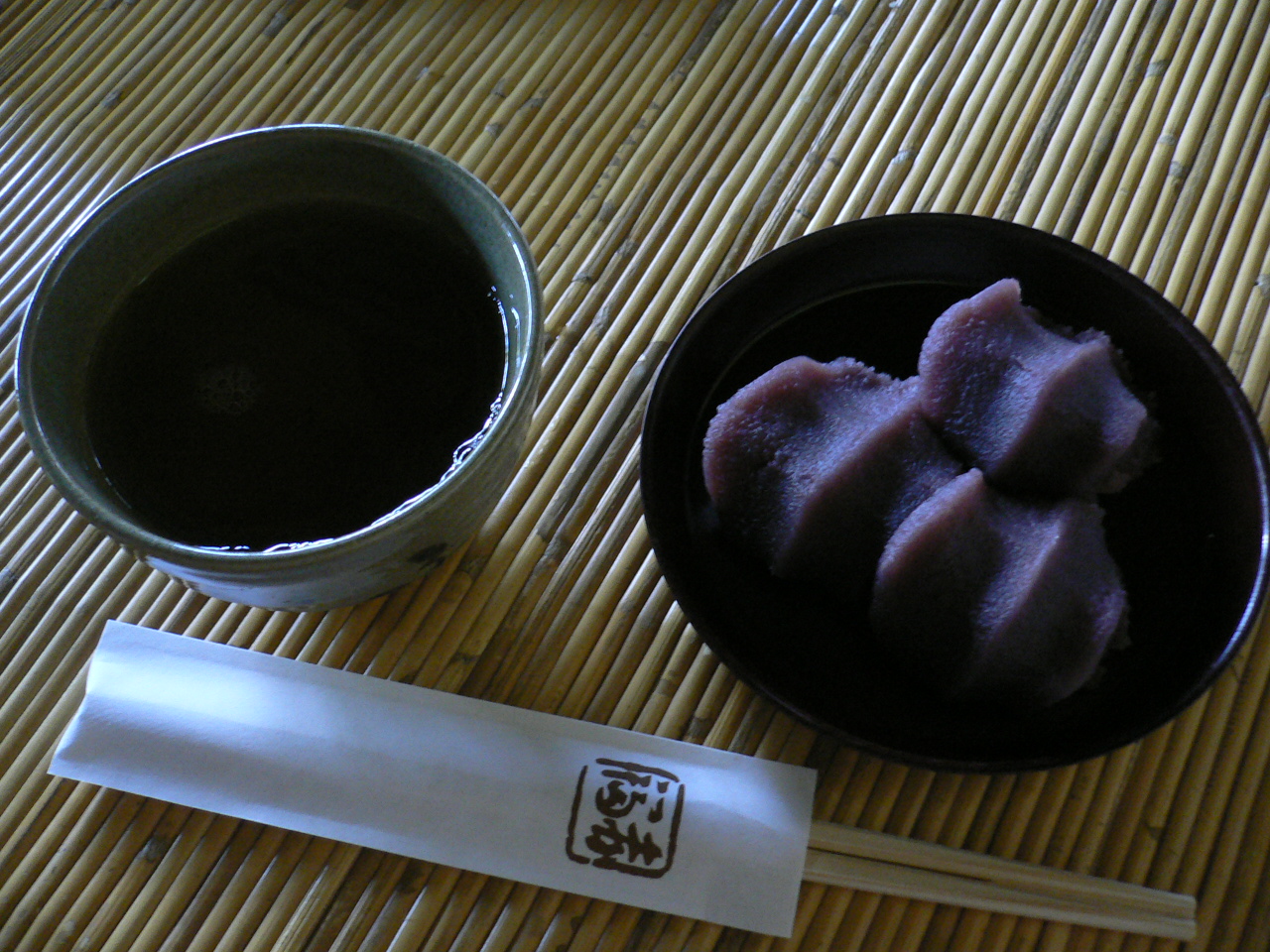
Before the Inner Shrine, post-worship pleasures await. The stone-paved Oharai-machi continues the traditional townscape of Ise, and within it Okage Yokocho recreates the mood of the Edo to Meiji periods, packed with food-walking treats such as Ise udon, freshly made Akafuku mochi, and tekone sushi.
A short trip from Ise brings you to Toba and Shima, brimming with seafood. Toba is a town where ama culture still thrives and is known as the place where pearl cultivation first succeeded; you can learn its history at Mikimoto Pearl Island. Shima is a treasure house of seafood such as Ise lobster and abalone, and the Ago Bay sunset is exceptional.

Seasonal Enjoyment
Spring: Fresh greenery makes the precincts refreshing and ideal for worship. Summer: The seas of Toba and Shima sparkle, with marine leisure to enjoy. Autumn: Ise lobster season opens, pairing seasonal flavors with foliage in the precincts. Winter: Quiet worship in the precincts and winter flavors such as Matoya Bay oysters.

Access and Essentials
- Base stations: Kintetsu and JR Ise-shi and Ujiyamada stations; for Toba and Shima, Kintetsu Toba and Kashikojima stations.
- Bus to the Inner Shrine: From Ise-shi Station, a Mie Kotsu bus reaches Naiku-mae in about 12 to 15 minutes for a fare of around 520 yen.
- Worship hours (approximate): Both shrines open at 5:00; closing is 17:00 to 19:00 by season (worship is free).
- Parking: Available around the Inner and Outer shrines; lots fill quickly in busy periods, so arrive early.
Practical Travel Notes
- Best season and time: The New Year and Golden Week are very crowded, so weekday or early-morning worship is comfortable; by old custom, worship proceeds from the Outer Shrine to the Inner Shrine.
- Time needed: A half to full day for the two shrines and Okage Yokocho; add Toba and Shima for a two-day, one-night trip.
- Budget sense: Worship is free; food walking, cruises, and Pearl Island each start in the low thousands of yen.
- Nearby spots: Okage Yokocho, Mikimoto Pearl Island, the Toba aquarium, and the Ago Bay observatories are grouped together.
A Word of Advice
By old custom, worship at Ise Jingu proceeds from the Outer Shrine to the Inner Shrine. The area before the Inner Shrine is very crowded by day, so worshipping in the clear air of early morning is recommended. If you extend to Toba and Shima, the classic plan is worship in Ise and seafood and pearls in Toba and Shima over two days.
📚 Sources
The official Ise Jingu website and the public information released by the Jingu Shicho office, along with guidance from the Ise City Tourism Association, are reliable sources for worship hours and access. For Toba and Shima, the public information of the Toba City and Shima City tourism associations is also helpful.
Opening and closing times of the Inner and Outer shrines and seasonal events change through the year. Fees, hours, and access may change, so please confirm with each official source before you set out.
Visitor Checklist
- Time needed: A half to full day for the two shrines and Okage Yokocho; add Toba and Shima for a two-day, one-night trip.
- What to bring: Comfortable walking shoes for the gravel approaches, and a light layer for early-morning worship or seaside travel.
- Suggested route: By old custom, worship the Outer Shrine before the Inner Shrine, then enjoy food walking at Okage Yokocho, and on the second day savor pearls and seafood in Toba and Shima.
📍 Location & Access


Share this article


✍️ About this article
This article is compiled by the Tabitabi JAPAN editorial team from official and primary sources, including facility and shrine/temple websites, tourism information published by municipalities and tourism associations, and cultural-property records released by national and local governments. Prices, opening hours and event dates may change, so please also check the official information of each facility or local government before you visit.