
Futahashira Shrine, a Little-Known Matchmaking Shrine in Izumi Ward, Sendai
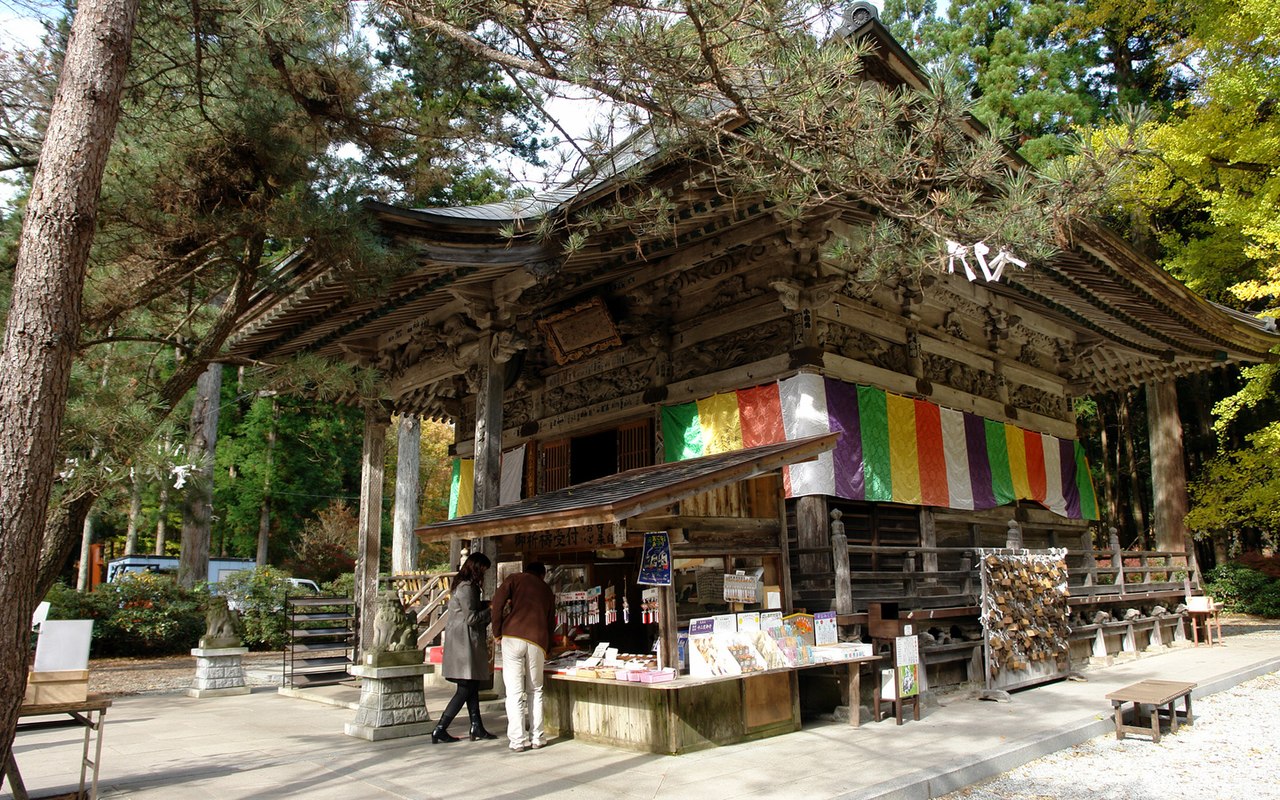
Tucked quietly into a residential area of Izumi Ward in Sendai, this shrine is known for matchmaking. Shrine records say it began in 1026 (Manju 2), when a divided spirit was invited here from Taga Taisha in Shiga Prefecture, and in 2026 (Reiwa 8) it marks the auspicious milestone of a thousand years since its founding. It moved to its present site in 1662 (Kanbun 2), and the current shrine hall, built in the shinmei-zukuri style, dates from 1941 (Showa 16). It is a venerable shrine soon to complete a thousand years of history, yet it does not feature prominently in tourist guides, making it a hidden spot beloved by locals.
The enshrined deities are three: Izanagi, Izanami, and Hiruko. Because Izanagi and Izanami are the married pair of gods who appear in Japanese mythology, the shrine has long been revered for blessings of good relationships and success in love. Once also called Niwatari Daigongen, it still carries traces of the era when Shinto and Buddhism were merged. Hiruko, enshrined alongside them, is the child deity invited in 2024 (Reiwa 6) from Nishinomiya Shrine in Nishinomiya City, Hyogo Prefecture, to commemorate the thousandth year since the shrine's founding; worshipped as Ebisu, he draws faith for prosperity in business and is familiar from the Toka Ebisu festival at New Year.
Highlights
- A corner hung with rows of votive plaques offered in hopes of a good match. The heart-shaped plaques make a charming sight, brimming with worshippers wishes.
- Charms and tokens themed around matchmaking, which many pick up as a memento of their visit.
- A quiet precinct that conveys nearly a thousand years of history. Surrounded by trees, it is a calming place to pray.
A Shrine Hall Handed Down Through Fire
The hall standing here today is not the product of an untroubled history. In 1929 (Showa 4) fire destroyed the shrine buildings, and only after more than a decade of effort by the shrine officers and parishioners was the reconstruction finally completed in May 1941 (Showa 16). When you stand before the worship hall in the tree-ringed precinct, it is a place to remember that behind the stillness lie the years the local community built up.
The shrine is said to have been founded at Shurindan in Ichinasaka, and in April 1662 (Kanbun 2) it was moved to its present site close to the Nanakita River. Its location today, in the very middle of a residential district, is also the result of the town spreading over the long years to gather around the shrine.
The Year's Events and Ways to Worship
The seasonal events, too, carry the approachability of a shrine rooted in its neighborhood. On June 30 the Nagoshi no Oharae is held to purify the impurities of the past half year, and the new year brings the bustle of Toka Ebisu, associated with Hiruko (Ebisu). In recent years an Ebisu Beer Garden has also been held in the precincts in July, revealing a side of the shrine as a gathering place for the community rather than a solemn space alone.
Goshuin seals are another pleasure. In addition to the standard goshuin, the shrine issues a monthly goshuin, a cut-out goshuin, and others. On Fridays, Saturdays, and Sundays in July and August there is also a "Natsumode goshuin (evening)" granted only from 17:00 to 20:30, offering a different way to spend your time by visiting after dark.
For those who live far away and simply cannot come in person, the shrine accepts prayers online and applications by post for goshuin and amulets. Being able to press your palms together on site first and then handle later milestones online or by mail is very much in the character of a shrine that stands close to daily life.
Enjoying the Seasons
In spring the greenery in the grounds buds and you can pray in fresh, clear air. Around the new year and seasonal milestones, more worshippers come to wish for good relationships, and it is especially popular with women. If you want to press your palms together slowly in the stillness, a weekday morning is calm and recommended.
Access and Basic Information
- Location: 61 Ichinasaka Nishiura, Izumi-ku, Sendai City, Miyagi Prefecture (tel. 022-372-3474)
- Public transport: about an 11-minute walk from Yaotome Station on the Sendai Subway Namboku Line.
- By car: about 8 minutes from the Izumi Interchange on the Tohoku Expressway.
- Prayer rituals are accepted at any time from 9:00 to 16:00 (no reservation required). Several kinds of goshuin are issued, including a monthly one.
Practical Travel Notes
- Best time: the new year and lifes turning points when people wish for good ties are popular. For a calm visit, a weekday morning from spring into early summer, when the greenery buds, is recommended.
- Timing and crowds: the first three days of the year and daytime on holidays draw more worshippers. For a quiet visit, aim for a weekday morning.
- Time needed: about 20 to 30 minutes for the visit and to receive plaques or charms. Being within walking distance of the subway, it is easy to drop by.
- Nearby real spots: it is linked to central Sendai along the Namboku subway line, and you can combine it with the shopping facilities of the Izumi-Chuo area, or Nanakita Park a little further by car.
- Budget: the visit is free. If you wish to receive plaques or charms, budget for those.
- Note: as it sits within a residential area, please visit quietly and be mindful of pedestrians and cars on the surrounding local streets.
A Quick Tip
Good fortune in relationships is said to extend not only to ties between people but also to encounters with work and a place to live. When you entrust a wish to a votive plaque, adding a note about how you yourself want to move forward, rather than leaving it all to others, helps set your feelings in a positive direction. Being walkable from the subway, it is an easy place to visit during a stroll through Sendai.
📚 Sources
This article is edited from publicly available information such as guidance published by Futahashira Shrine and Miyagi Prefecture and the city of Sendai, notices within the precincts and at the amulet office, and public information on the Subway Namboku Line and the Izumi-Chuo area. The devotion the shrine has drawn for matchmaking and other blessings is based on locally handed-down history. Worship hours, the handling of amulets and goshuin seals, and subway and access conditions may change, so please confirm official information before visiting.
Visitor Checklist
- Time needed: Roughly 20 to 30 minutes for worship and receiving votive tablets or amulets.
- What to prepare: If you plan to receive amulets, having small change on hand is reassuring.
- Worship manners: Follow the customs of purification and bowing, and pray quietly.
- Getting there: It lies along the Subway Namboku Line within walking distance of the station, so it is easy to drop by; check times in advance.
- Suggested route: After worship, combine it with the shopping facilities of the Izumi-Chuo area, or drive a little farther to Nanakita Park.
Practical Information for Your Visit
- Location: 61 Ichinasaka Nishiura, Izumi-ku, Sendai City, Miyagi Prefecture
- Telephone: 022-372-3474
- Prayer ritual reception: Accepted at any time from 9:00 to 16:00 (no reservation required)
- Goshuin (shrine seal stamps): The shrine issues a monthly goshuin, a standard goshuin, a cut-out goshuin and others. On Fridays, Saturdays and Sundays in July and August there is also a special \"Natsumode goshuin (evening)\" available only from 17:00 to 20:30
- 1000th anniversary of its founding: In 2026 (Reiwa 8) the shrine marks the auspicious milestone of 1000 years since its founding, and commemorative projects are under way
Note: The opening and closing times of the precincts, the hours of the amulet office, admission fees and whether there is parking are not published on the official website.
(Sources: Futahashira Shrine official website https://www.f-shrine.com/ )
📍 Location & Access


Share this article


✍️ About this article
This article is compiled by the Tabitabi JAPAN editorial team from official and primary sources, including facility and shrine/temple websites, tourism information published by municipalities and tourism associations, and cultural-property records released by national and local governments. Prices, opening hours and event dates may change, so please also check the official information of each facility or local government before you visit.