
Bessho Onsen: Hot Spring Guide & Visitor Access (Nagano)
Tucked into the green hills southwest of Ueda City, Bessho Onsen is said to be the oldest hot spring in Nagano, with origins going back more than 1,400 years. Because old temples and historic sites dot the area, it is also called the Kamakura of Shinshu. The gently sulfurous water wraps the body in soothing warmth.
Highlights
The town has three public bathhouses, Oyu, Daishi-no-yu, and Ishi-yu, popular with visitors who enjoy a bath-hopping stroll. Walking tours of historic temples are also loved, including Anraku-ji with its national-treasure octagonal three-story pagoda and the Kitamuki Kannon hall. The terminal station of the charming Ueda Dentetsu Bessho Line adds a nostalgic mood.

Enjoying the Seasons
Cherry blossoms in spring, fresh greenery in early summer, and crimson leaves in autumn give the historic scenery a changing face through the year. In winter, strolling the quiet snow-dusted town and warming up by bath-hopping is especially recommended.
Access and Basic Information
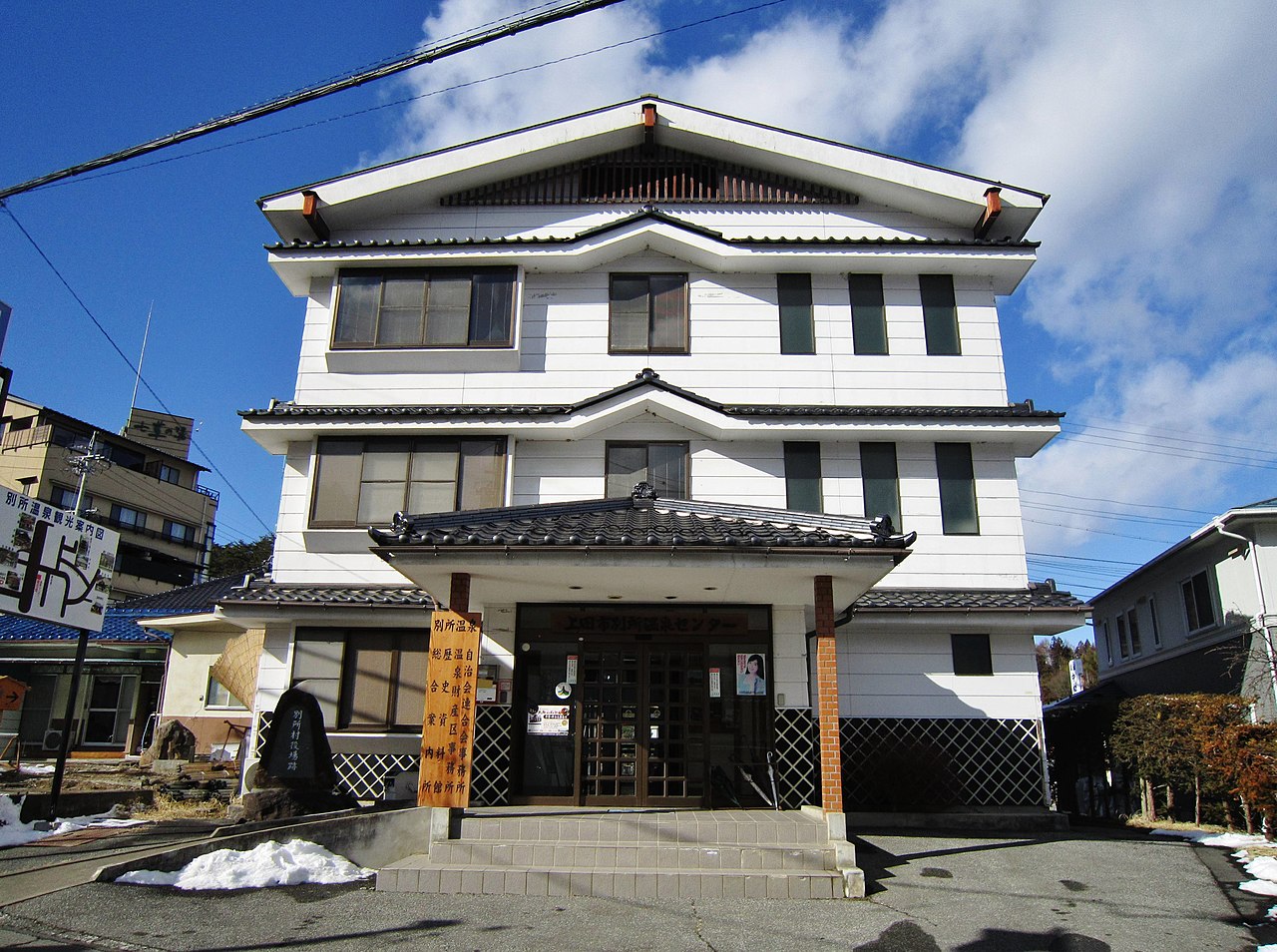
From JR Ueda Station, take the Ueda Dentetsu Bessho Line about thirty minutes to the terminus, Bessho Onsen Station. By car it is around twenty minutes from the Ueda-Sugadaira interchange on the Joshin-etsu Expressway. The water is a skin-friendly simple sulfur spring, and the three public baths in town, Oyu, Daishi-no-yu, and Ishi-yu, can be visited on foot. Admission to each public bath is a modest several hundred yen, and they open from early morning until night, though each keeps its own closing days and hours. Besides the public baths there is a day-use facility, Aisome-no-yu, open from around ten in the morning until night, with a few closing days each month.
Practical Travel Notes
The three public baths all lie within walking distance of one another, so allowing about half a day for bath-hopping together with a temple stroll gives you a relaxed pace. As these are communal baths used by locals, bringing your own towel and soap is the norm. To avoid crowds, aim for the early morning rather than the early afternoon, when day visitors increase. Nearby are real historic temples such as the octagonal three-story pagoda of Anraku-ji, Kitamuki Kannon, and Joraku-ji, all within walking distance of the spa town. A round of the public baths costs from a few hundred yen, and even using Aisome-no-yu stays within a modest budget, making this a spa town you can enjoy fully even on a day trip.
A Quick Tip
The three public baths each keep different hours, so bring easy-to-change clothes and a towel, and enjoy a relaxed bath-hopping walk through town. Checking each baths open days in advance so you do not arrive on a closing day is reassuring.
Sightseeing Checklist
- Estimated time: About an hour for a bath (half a day for a round of the public baths)
- What to bring: A towel (available to buy), a change of clothes, and your own soap to be safe
- Best season: All year; the Shiodadaira basin is beautiful in fresh greenery and autumn colours too
- Avoiding the crowds: Mornings and evenings tend to be busy with local visitors, so daytime is your best bet
- Nearby stops: The octagonal three-storey pagoda of Anrakuji, Kitamuki Kannon, Jorakuji and Ueda Castle
📚 Sources
This article is compiled from tourism information for Nagano Prefecture and information published by the individual facilities. Fees, opening hours and closing days may change, so please check each facility's official information before setting out.
📍 Location & Access


Share this article


✍️ About this article
This article is compiled by the Tabitabi JAPAN editorial team from official and primary sources, including facility and shrine/temple websites, tourism information published by municipalities and tourism associations, and cultural-property records released by national and local governments. Prices, opening hours and event dates may change, so please also check the official information of each facility or local government before you visit.