
Togakushi Shrine Inner Shrine — The Mountain Power Spot of the Heavenly Rock Cave Legend
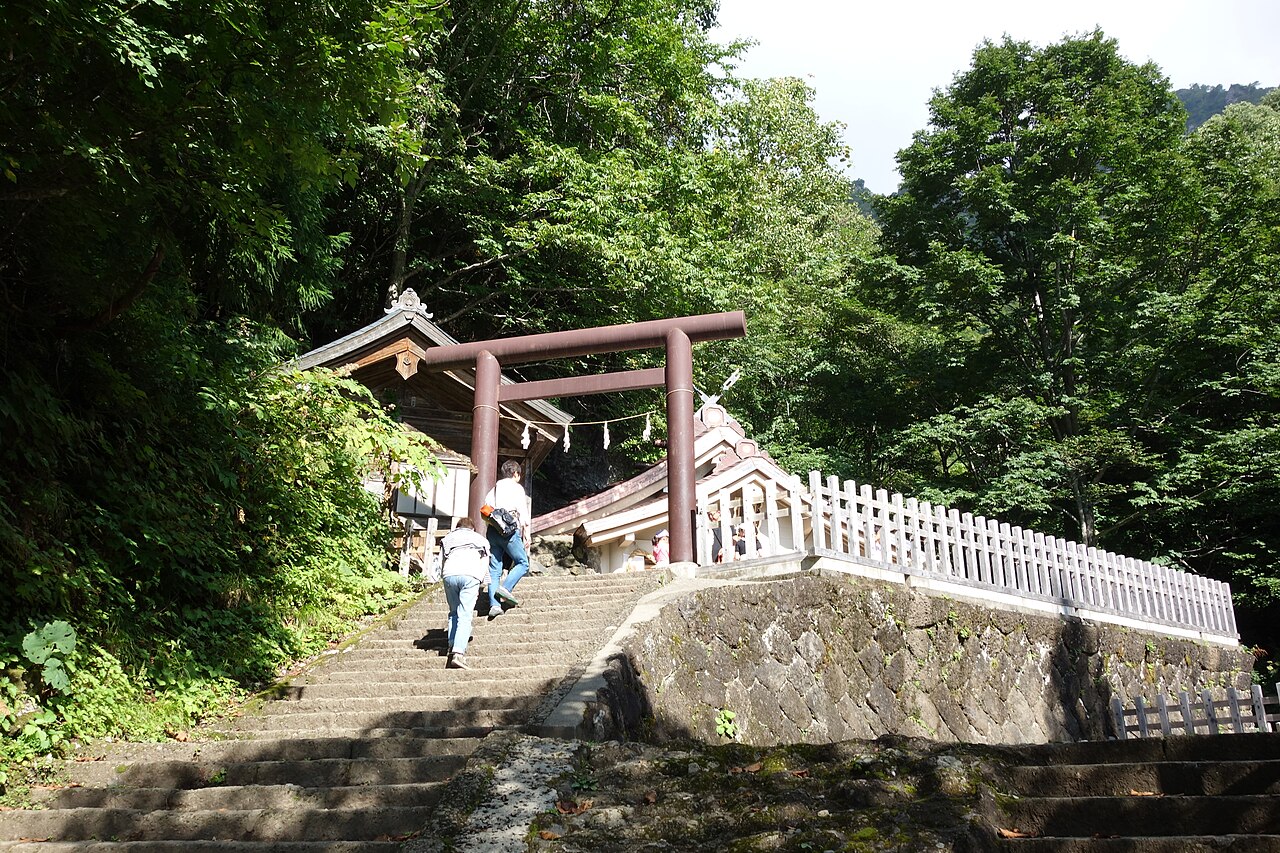
Togakushi Shrine, set within the ancient cedar forest of the Togakushi highlands northwest of Nagano City, is one of Japan's most atmospherically powerful shrine complexes. It comprises five shrines: the Okusha (inner shrine), Chusha, Hokosha, Kuzuryusha, and Hinomikosha. The Okusha enshrines Ame-no-Tajikarao-no-Mikoto, the deity of strength who opened the Heavenly Rock Cave where the sun goddess Amaterasu had hidden, and is revered for blessings related to sport, good fortune, and the fulfillment of wishes.
Highlights
- Cedar avenue of the Okusha approach: The roughly two-kilometer approach reaches its climax in the last 500-meter stretch beyond the Zuishinmon gate, where giant cedars planted in the 17th century, now over 400 years old, line both sides of the path. The corridor of trees rising straight toward the sky is genuinely awe-inspiring.
- Zuishinmon gate: A vermilion, thatched-roof gate at the midpoint of the approach. Beyond it the cedar avenue begins and the air seems to change entirely.
- Okusha and Kuzuryusha: Two shrines standing side by side at the far end. Kuzuryusha, the local land deity, is said to grant blessings for matchmaking, rain, and relief from toothache.
- Chusha and the Three Cedars: Chusha enshrines Ame-no-Yagokoro-Omoikane-no-Mikoto, a deity of learning and the arts, popular with students. Three cedars stand in an equilateral triangle around the torii.
- Kagamiike Pond: A pond near the Okusha where, on windless days, the Togakushi peaks and surrounding trees reflect on the still surface, especially stunning during autumn foliage.
Enjoying the Seasons
Spring (April to May) brings fresh green amid lingering snow, lending the cedar avenue a dreamlike quality. Summer (June to August) is pleasant in the deep green forest and busy with trekkers. Autumn (October) offers a striking contrast of red foliage and green cedars, with the reflections at Kagamiike Pond especially beautiful. Winter (December to March) allows a walk along the snow-deep approach, but full winter gear is essential during heavy snow.

Access and Basic Information
- Location: 3690 Togakushi, Nagano City, Nagano
- Transport: About 50 to 70 minutes by Alpico (Kawanakajima) bus from JR Nagano Station, alighting at the Togakushi Okusha Iriguchi stop. From the stop it is about 20 minutes on foot to the Zuishinmon gate, then a further 20 to 30 minutes up the cedar avenue to the Okusha.
- By car: About 50 minutes from the Nagano IC on the Joshin-etsu Expressway. Paid parking is available near the Okusha entrance.
- Hours: Grounds open at all times; a round trip to the Okusha takes roughly 1.5 to 2 hours.
- Admission: Free
Practical Travel Notes
- Best season and time: June and July for fresh greenery and October for autumn foliage are the most popular. Early morning offers the finest light through the cedars.
- Avoiding crowds: On autumn weekends the parking areas fill early, so an early arrival is recommended.
- Time needed: A round trip to the Okusha alone takes about two hours, while walking the full five-shrine circuit from Hokosha to the Okusha takes roughly four hours on foot. Allow about half a day if visiting each shrine by car.
- Nearby real spots: Renowned Togakushi soba restaurants dot the approach, and Kagamiike Pond, the Togakushi Botanical Garden, and the Togakushi Kamitsuge hot spring are all close by.
- Budget sense: Worship is free. Even with lunch, parking, and bus fares, a full day here remains relatively affordable.
A Quick Tip
Beyond the Zuishinmon gate the approach becomes a genuine mountain path, with stone steps and slippery sections in its later stretch, so wear sturdy walking shoes. If visiting all five shrines, choose between the walking circuit and travel by car according to your stamina. After worship, savor Togakushi soba, one of Japan's three great soba, served in the distinctive botchi-mori style on a round basket woven from arrow bamboo.
📚 Sources
The information about Togakushi Shrine was compiled by our editorial team from the shrine official guidance, Nagano City tourism information, and interpretive signs along the approach and grounds. The account of an ancient shrine formed of five shrines, the Okusha, Chusha, Hokosha, Kuzuryusha and Hinomikosha, follows these public references. Because worship hours, bus operations and shrine-office services change by season and year, please confirm the latest information from Togakushi Shrine or Nagano City before your visit.
Visitor Checklist
- Estimated time: Allow a full day to visit all five shrines, or about half a day if you focus on worshipping at the Okusha.
- What to prepare: The Okusha has a long approach through nature, so comfortable shoes and something to drink are reassuring.
- Getting around: The five shrines are spread apart, so using buses or a car makes the circuit easier.
- Worship manners: Walk quietly along the cedar-lined approach and at the halls, and worship with consideration for other visitors.
📍 Location & Access


Share this article


✍️ About this article
This article is compiled by the Tabitabi JAPAN editorial team from official and primary sources, including facility and shrine/temple websites, tourism information published by municipalities and tourism associations, and cultural-property records released by national and local governments. Prices, opening hours and event dates may change, so please also check the official information of each facility or local government before you visit.