
Aka Konnyaku: Where to Eat, Prices & Hours (Shiga)
Aka konnyaku is a specialty of Omihachiman, a rare konjac notable for its vivid vermilion color. It is tinted during production with iron oxide, known as bengara, and though the look is startling, the taste is the same as ordinary konjac with a firm, satisfying bite. In the Omihachiman area this red konjac was long the norm, so much so that white or dark konjac was said to be the more unusual sight, making it a food deeply rooted in the region.
Highlights
Tradition even ties its flashy color to the tastes of Oda Nobunaga, and it is essential at festivals and celebrations. It also has little of the characteristic konjac odor, and at home it is cooked many ways, in simmered dishes, kinpira, or sliced thin like sashimi and dressed with vinegar miso. Cut into thin slices it can even be likened to raw liver, and that surprise is part of the fun.
Enjoying the Seasons
It keeps well and can be enjoyed year round, but it is indispensable in the simmered dishes of festive days such as New Year and Obon. In warm winter stews, its bright color brightens the table. Pairing it with other Omi preserved foods, such as pickled hino turnip, is also worth trying.
Access and Basic Information
It can be bought at grocery stores in Omihachiman and souvenir shops around the Hachimanbori canal. From JR Omihachiman Station, a bus toward Hachimanbori or Himure Hachimangu Shrine is convenient. Around Hachimanbori are old merchant townscapes and spots tied to the Omi merchants, so you can enjoy shopping alongside a stroll. As it keeps well, it also suits a travel souvenir.
Practical Travel Notes
- Available year round, mostly as vacuum packed or water packed products. It tends to keep well refrigerated, as a guide.
- Souvenir shops and eateries cluster around Hachimanbori, and some serve simmered or dengaku style aka konnyaku.
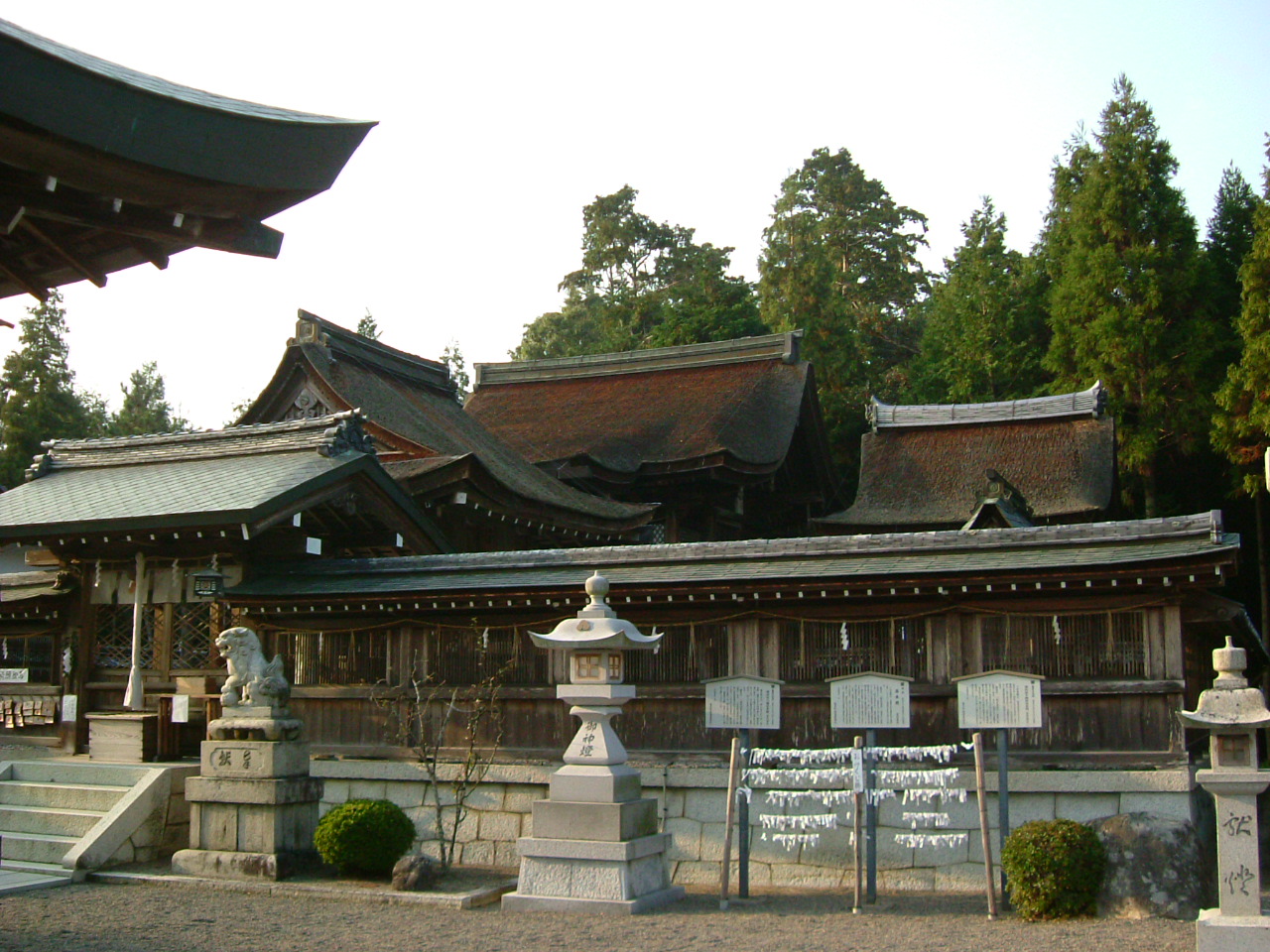
- Nearby within walking distance are Himure Hachimangu Shrine, the Hachimanyama castle ruins reached by ropeway, and the Kawara Museum.
- If you cook it, a quick preboil draws out any harshness and helps it take on flavor.
A Quick Tip
Sliced thin and dressed with vinegar miso, its red hue stands out, making it perfect for entertaining guests.
Practical Information for Your Visit
- Best season: Seasoned, ready-prepared products are widely sold, so it can be enjoyed all year round. It is regarded as an essential dish for ceremonial occasions such as weddings and funerals and for school lunches (Ministry of Agriculture, Forestry and Fisheries).
- Main area where it is served: The Omihachiman area. The red color comes from an iron compound called ferric oxide, and it does not fade even when simmered (Ministry of Agriculture, Forestry and Fisheries).
- Public facility where you can try it: Hakuunkan (the Omihachiman City tourist information center / 9-1 Ishinchomoto, TEL 0748-32-7003) / open 10:00-17:00. Closed over the New Year period (December 29-January 3). It exhibits and sells local specialties and souvenirs.
- Long-established producer: Norimatsu Shokuhin Yoshii Shoten (21 Ishincho-kami). It makes "Hachiman konnyaku," dyed red in reference to the Sagicho Festival.
- Access: About 7 minutes from JR Omihachiman Station on an Ohmi Railway bus (bound for Chomeiji), getting off at "Hachiman-bori (Osugicho) Hachimanyama Ropeway-guchi." Yoshii Shoten is 3 minutes from there on foot.
* Opening hours and prices at individual shops vary from shop to shop.
(Sources: Ministry of Agriculture, Forestry and Fisheries, "Our Local Cuisine: Simmered Red Konnyaku, Shiga Prefecture"; Omihachiman Tourism and Products Association official tourist information site, "Hakuunkan" and "Norimatsu Shokuhin Yoshii Shoten")
Information Sources
This article is compiled from tourist information for Shiga Prefecture together with information published by the individual establishments. Prices, menus and seasons are subject to change, so please check the official information of each establishment for details.
Sightseeing Checklist
- Budget guide: Affordable, from a few hundred yen per piece
- Where to eat it: Restaurants, souvenir shops and supermarkets in Omihachiman
- Recommended time of day: Both lunch and dinner. Good as a side dish or with sake
- Avoiding the crowds: Easy to buy at souvenir shops; popular items sell out, so shop early
- Enjoy it together with: Trying it simmered or as dengaku, the townscape of Hachiman-bori, Himure Hachimangu Shrine, and choji-fu wheat gluten
📍 Location & Access




Share this article


✍️ About this article
This article is compiled by the Tabitabi JAPAN editorial team from official and primary sources, including facility and shrine/temple websites, tourism information published by municipalities and tourism associations, and cultural-property records released by national and local governments. Prices, opening hours and event dates may change, so please also check the official information of each facility or local government before you visit.