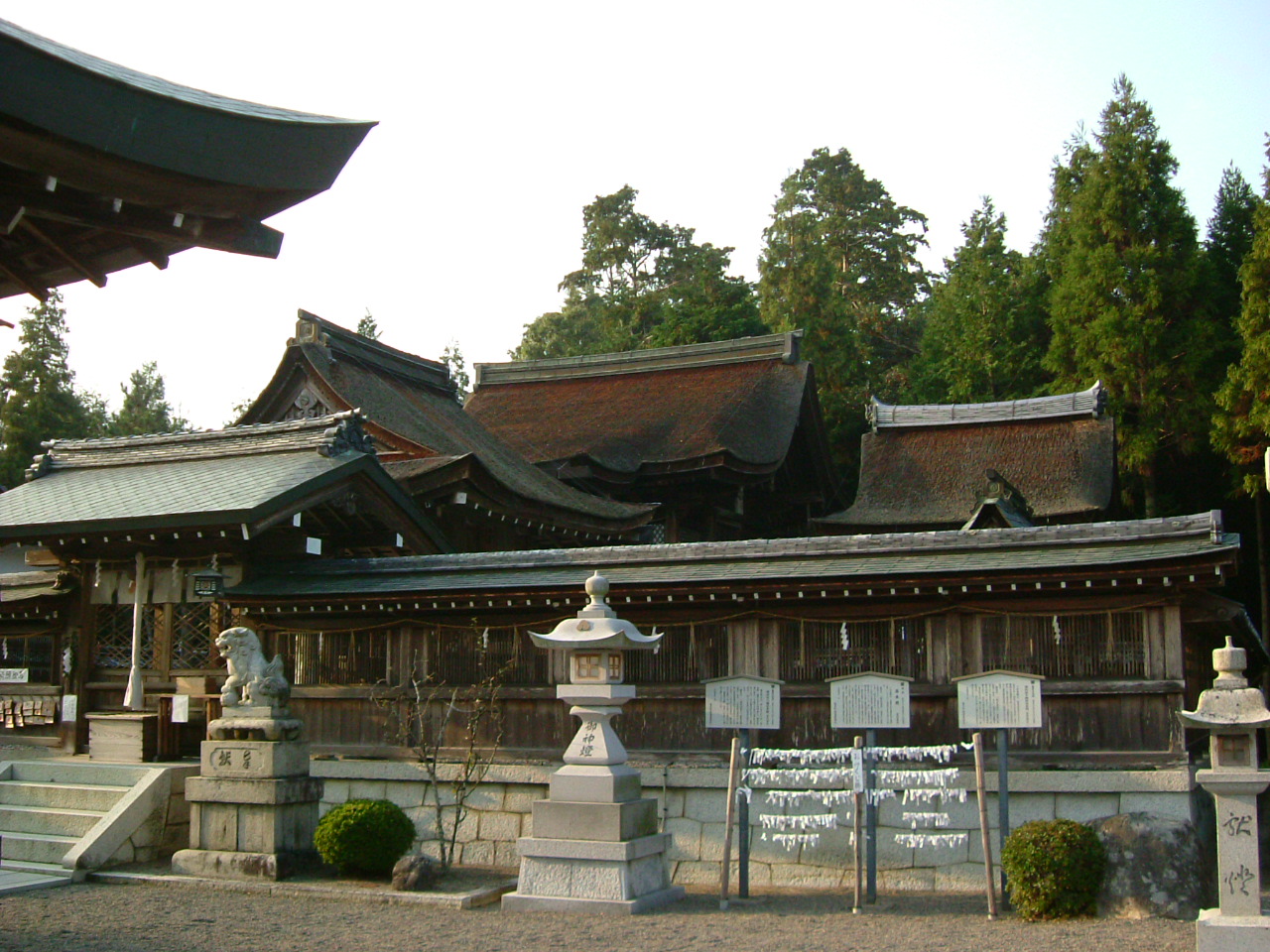
Namura Shrine: A National Treasure of Bonds and Harvest in Ryuo
Namura Shrine in Ryuo Town is an old shrine cradled in a rich sacred grove at the heart of the town. It has long been revered for blessings close to daily life, such as bonds between people, prosperity in business, bountiful harvests, and safe childbirth. As the guardian shrine of a wide surrounding district, it is rarely promoted as a major sightseeing draw and has been quietly kept, offering a calm, hidden atmosphere.
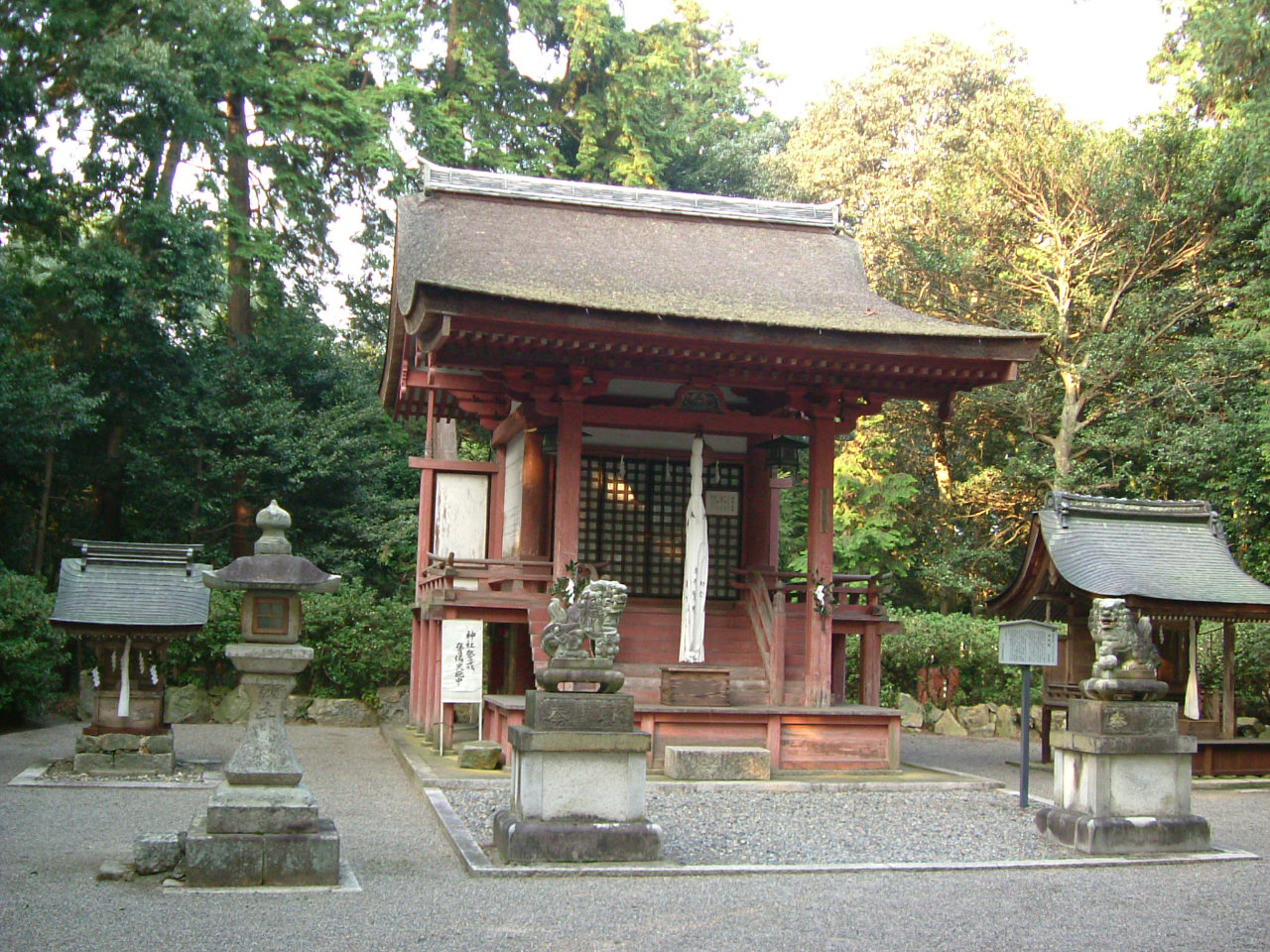
Highlights
- The National Treasure west main hall, conveying the beauty of Kamakura period architecture, standing proud amid the grove.
- Important Cultural Property structures such as the thatched tower gate and the east main hall, scattered across the grounds.
- A grand festival held once every 33 years, the thirty three year regular grand festival, carrying forward a tradition that reveals the depth of local faith. The previous one was held in 1982, the next in 2014, and the following is scheduled for 2046.
Enjoying the Seasons
In the season of fresh greenery, the sacred grove feels refreshing, and praying in the dappled sunlight is a pleasant moment. In autumn the colored leaves adorn the old halls, and in the crisp winter air a quiet prayer feels especially serene.
Access and Basic Information
- From the north exit of Omihachiman Station on the JR Biwako Line, take an Ohmi Railway bus toward the outlet mall, get off at Ayado Kita, and walk about 2 minutes.
- Easy to reach by car from the Ryuo interchange on the Meishin Expressway.
- A spacious parking area allows for a relaxed visit, and the grounds are open for free.
Practical Travel Notes
- Best time of day: The morning, with its lovely dappled light, is especially pleasant, and a visit takes about 30 to 40 minutes.
- How to tour the highlights: Passing through the tower gate leads to the National Treasure west main hall, while the east approach continues to the Important Cultural Property east main hall. Comparing the two halls reveals the differences in architecture across the eras.
- Avoiding crowds: The shrine is usually quiet, letting you take your time without worrying about crowds. The year of the once in 33 years regular grand festival brings a special liveliness.
- Nearby real spots: A short drive reaches the Ryuo outlet mall and Sasaki Shrine in Omihachiman, tied to the Sasaki Genji lineage.
- Budget sense: The visit is free, and even with shopping or a meal nearby it stays easy on the wallet.
A Quick Tip
The grounds are wide and the halls spread out, so stroll slowly from the tower gate to the main hall and compare the different architectural styles to deepen your appreciation. Gathering a National Treasure and Important Cultural Properties within a single precinct, it is a quiet old shrine in the Koto region character.
Visitor Checklist
- Estimated time: Touring highlights such as the two main halls and the tower gate, the visit takes about 30 to 40 minutes.
- Suggested route: Pass through the tower gate to the national-treasure West Main Hall, then follow the east approach to the important-cultural-property East Main Hall, comparing the architecture of the two halls.
- Access: Take the Ohmi Railway bus from the north exit of JR Omihachiman Station to the Ayado-kita stop, then walk about two minutes; it is also easy to reach from the Ryuo interchange.
- Best time of day: Mornings with beautiful dappled light are especially pleasant, and it is usually quiet and relaxed.
- What to wear: Comfortable shoes are recommended for walking the broad grounds.
- Budget: The visit is free; allow for shopping and meals nearby.
Practical Information for Your Visit
- Visiting hours: 9:00-17:00
- Admission: Free of charge
- Location: 467 Ayado, Ryuo Town, Gamo District, Shiga Prefecture (tel. 0748-57-0160)
- Parking: 20 ordinary cars and 5 large vehicles
- Access by train and bus: From the north exit of JR Omihachiman Station take the Ohmi Railway bus bound for the Outlet Park, about 15 minutes, get off at "Ayado-kita" and walk 2 minutes. From the south exit take the bus bound for Daihatsu Ryuo, about 20 minutes, get off at "Kawamori" and walk 15 minutes
- Taxi: About 15 minutes from JR Omihachiman Station
- Access by car: About 10 minutes by car from the Ryuo Interchange on the Meishin Expressway, and also about 10 minutes from the Gamo Smart Interchange
- How long to allow: 30-40 minutes to walk from the tower gate to the West Main Hall and on along the east approach to the East Main Hall
- How to go around: Pass through the tower gate to the West Main Hall, a national treasure, then follow the east approach to the East Main Hall, an important cultural property. Comparing the two halls makes the differences in their construction easy to see
- Blessings: The shrine is associated with beliefs close to everyday life, such as matchmaking, business prosperity, bountiful harvests, safe childbirth and fertility
- Goshuin stamps: There is no information about them on the official website, so if you want one it is best to check with the shrine office (0748-57-0160) in advance
- To avoid the crowds: There are rarely many visitors, so there is almost no need to choose your time. The morning, when the sunlight filters beautifully through the trees, is especially pleasant for walking
- If it rains: The precincts are outdoors, and there are few buildings where you can shelter. The main halls are viewed from outside their protective outer structures, so an umbrella is essential on a rainy day
- Underfoot and clothing: The approach is mostly earth and gravel and can be muddy after rain, so wear comfortable shoes. There are stone steps in front of the halls
- Strollers and wheelchairs: The precincts are relatively flat and the grounds are spacious, but the gravel approach catches wheels easily, so having someone to help is reassuring
- New Year period: The young parishioners' association serves free amazake to visitors
- Budget guide: Visiting is free of charge. You only need to allow for meals or shopping in the surrounding area
- Nearby: A short drive takes you to Mitsui Outlet Park Shiga Ryuo, or to Sasaki Shrine (Azuchi-cho, Omihachiman City), associated with the Sasaki Genji clan
📚 Sources
This article was edited with reference to guidance from Namura Shrine, the guardian shrine of Ryuo Town in Shiga, cultural-property explanations of its national-treasure West Main Hall and its important cultural properties such as the tower gate and East Main Hall, and local records of the once-every-33-years grand festival. Explanations from the shrine and region were consulted for beliefs such as matchmaking and a good harvest. Information on the approach and nearby facilities may change, so please check the official information of the shrine and others before you set out.
The visiting hours, admission, number of parking spaces, location, telephone number, the designations as a national treasure and an important cultural property, the enshrined deities and the serving of amazake over the New Year period were confirmed on the Namura Shrine page of the Shiga and Lake Biwa tourism information website. The bus routes and stop names, the walking times, the taxi and the driving times from the Ryuo Interchange and the Gamo Smart Interchange on the Meishin Expressway come from the access page of the official Namura Shrine website. That the West Main Hall was rebuilt in Tokuji 3 (1308) and the tower gate in Daiei 2 (1522), and that the Shikinen Grand Festival held every 33 years was fixed in Keicho 4 (1599), with the 13th held in Heisei 26 (2014) and the next due in 2046, are drawn from the guidance on the grand festival on the official Namura Shrine website and from Shiga Prefecture's cultural property commentary. Visiting hours and transport information are subject to change, so please check the official information before you set out.
📍 Location & Access


Share this article


✍️ About this article
This article is compiled by the Tabitabi JAPAN editorial team from official and primary sources, including facility and shrine/temple websites, tourism information published by municipalities and tourism associations, and cultural-property records released by national and local governments. Prices, opening hours and event dates may change, so please also check the official information of each facility or local government before you visit.