
Nagahama Hikiyama Festival: One of Japan's Three Greatest Float Festivals
Festival Started by Hideyoshi
The Nagahama Hikiyama Festival is a splendid spring festival counted as one of "Japan's three great float festivals," alongside Kyoto's Gion Festival and Gifu's Takayama Festival. It is said to have originated in the Tensho era, when Toyotomi Hideyoshi, then lord of Nagahama Castle, rejoiced at the long-awaited birth of a son and gave gold dust to the townspeople, who used it as capital to build hikiyama floats and pull them at the festival of the Hachimangu shrine. It is a National Important Intangible Folk Cultural Property and is also inscribed on the UNESCO Intangible Cultural Heritage list.
Children's Kabuki
The festival's greatest highlight is the "children's kabuki" performed on the stages of the gorgeous hikiyama floats. Boys of about 5 to 12 years old become the actors, performing period pieces with full makeup and costume. Their dignified, masterful delivery and graceful movements, worthy of adult actors, move the audience and draw great applause. The children in their finest form are a springtime tradition of Nagahama.
Hikiyama Museum
At the Hikiyama Museum in the center of Nagahama City, several of the 13 existing hikiyama are displayed in rotation each year. Adorned with gold leaf and lacquer over fine carvings and decorated with gorgeous rear curtains, the floats are first-class works of craft, even called a "moving art museum." Even outside the festival period, you can view their magnificence up close and at leisure.
Nagahama's Castle Town
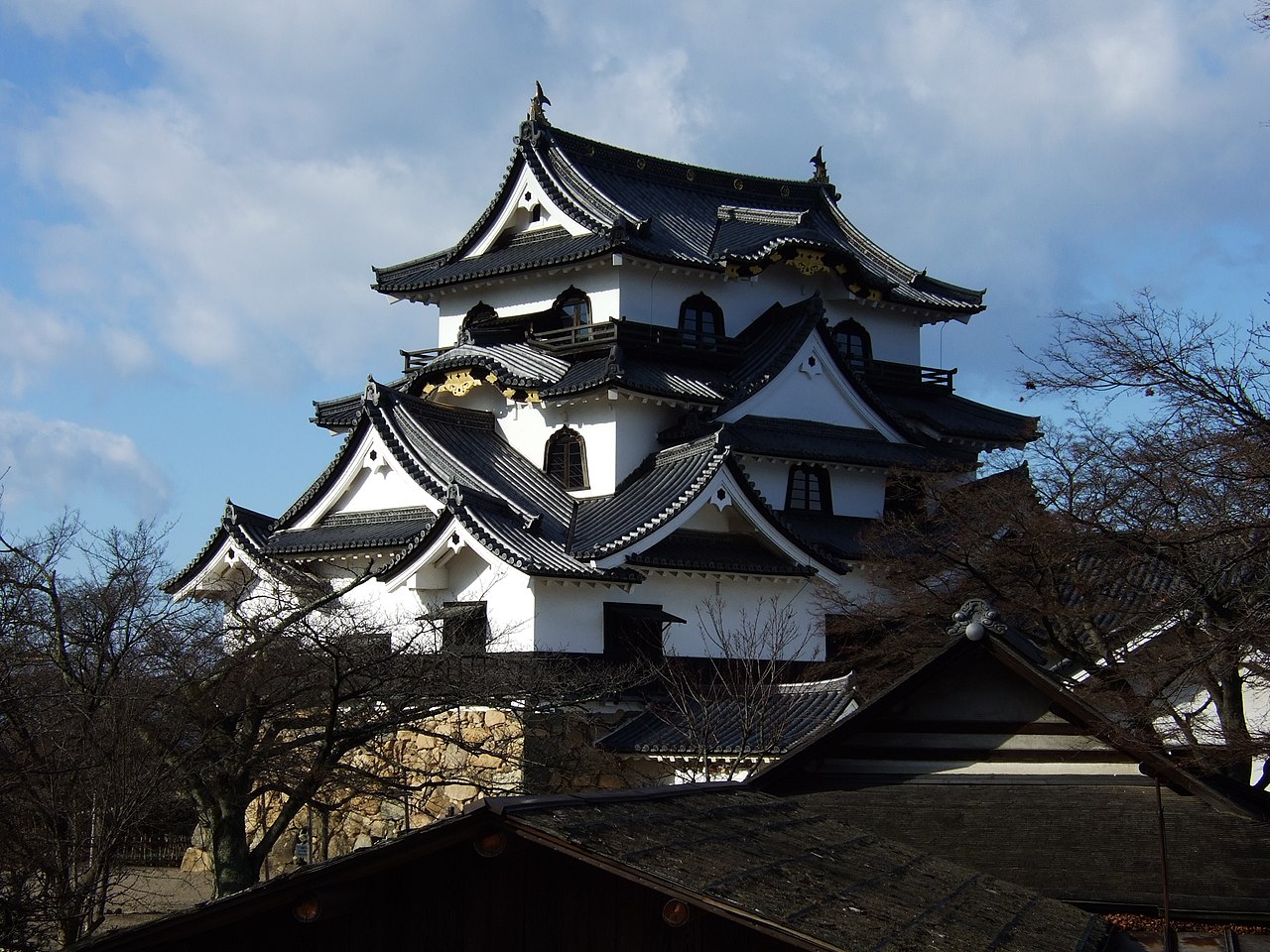
Nagahama is a historic castle town developed by Toyotomi Hideyoshi when he first became a castle-holding lord. In "Kurokabe Square" in the center, glass shops, galleries, and cafes making use of old townhouses and black-walled buildings stand side by side, offering a retro stroll. Along with the festival, you can enjoy walking a town full of historical atmosphere.
Best Season
The Hikiyama Festival is held in mid-April every year. The performances of children's kabuki are the highlight. Strolling Kurokabe Square can be enjoyed year-round.
Access
The festival area and Kurokabe Square are within walking distance of "Nagahama Station" on the JR Hokuriku Main Line. By car, it is accessible from the "Nagahama IC" on the Hokuriku Expressway.
Practical Information
- Dates: The festival as a whole runs from April 9 to 17 every year. The children's kabuki at its core was held in 2026 from Monday, April 13 to Thursday, April 16. Related events are the Senko-ban on 4/9, the Hadaka-mairi from 4/9 to 4/12, the Mikoshi Togyo on 4/12, and the Gohei-gaeshi on 4/17
- Timetable (2026 record)
- 4/13 Junsan-nichi-ban: from 18:00 onward (Banzai-ro 17:00/19:00, Kujaku-zan 18:00, Okina-zan 18:00, Tokiwa-zan 19:00)
- 4/14: Jicho kyogen (until around 13:00), Nobori-yama around 13:00-16:30, actors' evening procession 19:00 (Nagahama Hachimangu -> Ippachiya-tsuji)
- 4/15 Main day (climax): Spring grand rite 7:00, actors' morning procession arriving at Hachimangu by 8:30, Naginata-gumi Okina-maneki 9:05, kyogen performance 9:20 (Hachimangu). Thereafter performances are given at five designated places along the approach and at the Otabisho. Departures from Hachimangu: Naginata-gumi 9:05 / Tokiwa-zan 9:20 / Kujaku-zan 10:35 / Okina-zan 11:45 / Banzai-ro 12:55; arrivals at the Otabisho: Tokiwa-zan 15:25 / Kujaku-zan 16:40 / Okina-zan 17:50 / Banzai-ro 19:00 (curtain 19:40). Each children's kyogen performance lasts 40 minutes
- 4/16 Goen kyogen: all day (from each float's first performance to the final performance, 10:00-20:00). The children's kabuki viewing session begins at 10:45 (Nagahama Cultural Arts Hall, paid)
- Venues: Nagahama Hachimangu (Miyamae-cho, Nagahama City), the Otabisho, Otemon-dori, Ekimae-dori and other parts of central Nagahama City
- Nearest station: Nagahama Station on the JR Hokuriku Main Line. It is a 7-minute walk to the Hikiyama Museum
- Viewing: Watching the kyogen from the street is free
- Toilets: The official pamphlet (4/15 main day map) shows toilet locations at Nagahama Hachimangu, the Otabisho, along Otemon-dori, around Kurokabe, and around Nagahama Station
- Participating float groups: Four float groups perform each year (out of 12 in total). For fiscal Reiwa 8 (2026) these are Banzai-ro, Kujaku-zan, Okina-zan and Tokiwa-zan; for fiscal Reiwa 9 (2027), Seikai-zan, Gekkyuden, Kasuga-zan and Kanko-zan
- Official notes: Kyogen times are subject to change, so please treat the times as approximate. Visitors are asked to cooperate by leaving space between one another while watching
*Parking, traffic restrictions, food stalls, and the fee for the children's kabuki viewing session have not been officially announced.*
📚 Sources
- Nagahama Hikiyama Culture Association (public interest incorporated foundation) official website
- Official guide pamphlet for Reiwa 8 (2026)
- Nagahama Tourism Association
📍 Location & Access



Share this article


✍️ About this article
This article is compiled by the Tabitabi JAPAN editorial team from official and primary sources, including facility and shrine/temple websites, tourism information published by municipalities and tourism associations, and cultural-property records released by national and local governments. Prices, opening hours and event dates may change, so please also check the official information of each facility or local government before you visit.