
Natsudomari Peninsula and Mutsu Bay Oysters: Scenic Peninsula with Fresh Bay Seafood
Natsudomari Peninsula
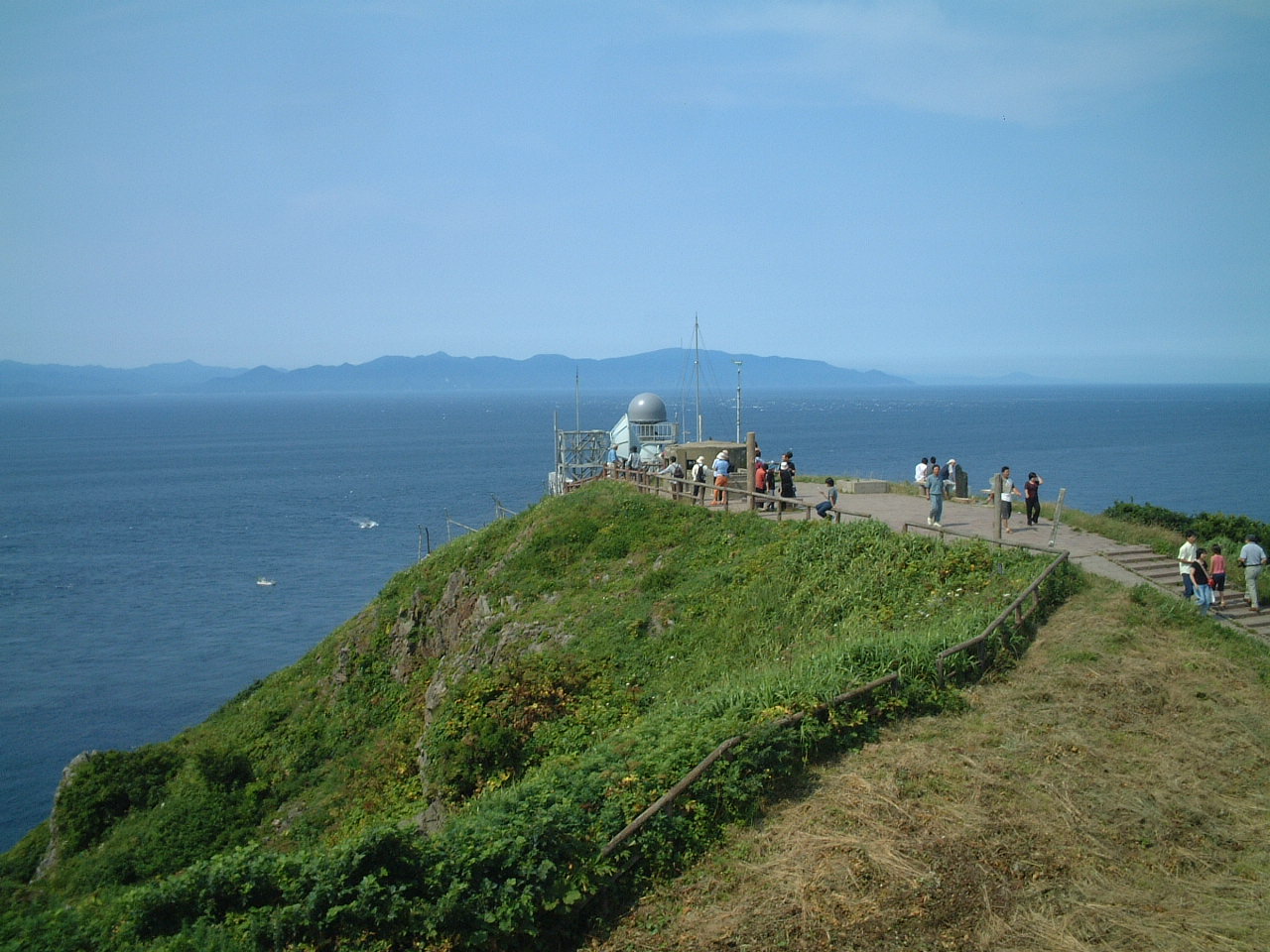
The Natsudomari Peninsula, jutting into Mutsu Bay east of Aomori City and entirely within Hiranai Town, is known for its indented coastline and rich fishing industry. Dividing Mutsu Bay toward the Shimokita and Tsugaru sides, its beauty has earned it comparisons to Matsushima, the celebrated bay of pine-clad islets.
Highlights
- Ojima Island: A small island at the peninsula tip connected by a bridge that can be crossed on foot even at high tide, with a lighthouse and panoramic Mutsu Bay views
- Tsubakiyama: A designated Natural Monument as the northern limit of wild yabu-tsubaki camellia, where about 7,000 wild camellias grow across roughly 22 hectares of hills and bloom in spring
- Oyster and Scallop Farms: The nutrient-rich waters of Mutsu Bay produce exceptional shellfish
Food
- Mutsu Bay Scallops: Thick, sweet scallops from a bay famous nationwide for scallop farming
- Mutsu Bay Oysters: Rich, full-flavored oysters in season in winter
Getting There
- From central Aomori City by car: about 40 minutes; the standard approach is to drive the coastal road around the peninsula
- Public transport is limited, so a rental car is convenient. The Aoimori Railway Asamushi Onsen Station area is one gateway toward the peninsula.
Practical Travel Notes
- Best season and time: Spring brings blooming wild camellias, summer offers seaside leisure, and winter is oyster season. Because camellia blooms and the scallop and oyster seasons are limited, plan around your goal.
- Avoiding crowds: This is a naturally quiet area with little heavy congestion. For a comfortable visit, drive during stable daytime weather.
- Time needed: A loop of the peninsula visiting Ojima and Tsubakiyama takes about 2 to 3 hours; allow more time if you stop for a seaside meal.
- Nearby real spots: The location pairs well with Asamushi Onsen near the base of the peninsula and its aquarium, and combines easily with sightseeing in central Aomori.
- Budget sense: Driving and strolling are free. The main costs are meals featuring scallops and oysters and the rental car.
Tips
With limited public transport, touring by rental car is the most comfortable option. The coastal road can be windy, so dress accordingly when driving or cycling. Combine the Mutsu Bay view from the Ojima lighthouse, the wild camellias of Tsubakiyama, and fresh scallops and oysters — and add Asamushi Onsen near the base of the peninsula for a trip that pairs the Aomori sea with a hot spring.
📚 Sources
For driving the Natsudomari Peninsula, Oshima and Tsubakiyama, and Mutsu Bay's scallops and oysters, information published by Hiranai Town and related municipalities and tourism associations is a helpful reference. Tsubakiyama, the northern-limit native stand of yabu-tsubaki camellia, is a national Natural Monument. Since public transport is limited, check the official information of each operator for local buses and access toward Asamushi Onsen. The camellia peak and the seasons for seafood vary by year. Fares, hours, and access may change, so please confirm with official information before you set out.
Visitor Checklist
- Estimated time needed: 2 to 3 hours to loop the peninsula and visit Oshima and Tsubakiyama. Allow more time if you dine by the sea.
- What to bring and prepare: The coastal road can be windy, so bring a layer for driving or cycling. Since public transport is limited, a rental car is realistic.
- Suggested route: Drive the coastal road, cross the bridge to the lighthouse on Oshima, pair it with Tsubakiyama where about 7,000 yabu-tsubaki grow wild, and finish at Asamushi Onsen near the base.
- Best time of day: A daytime drive on a settled-weather day is comfortable.
- Seasonal note: Camellias in spring, oysters in winter, and scallops year round, so plan around your goal.
📍 Location & Access


Share this article



✍️ About this article
This article is compiled by the Tabitabi JAPAN editorial team from official and primary sources, including facility and shrine/temple websites, tourism information published by municipalities and tourism associations, and cultural-property records released by national and local governments. Prices, opening hours and event dates may change, so please also check the official information of each facility or local government before you visit.