
Hirota Jinja in Aomori: A City Guardian Shrine Where People Pray to Ward Off Illness and Misfortune
Set in the urban heart of Aomori City, Hirota Jinja has long gathered the faith of the people as a guardian deity that wards off all manner of misfortune, illness, and calamity. By shrine tradition, it was founded around the year 996, in the Chotoku era during Emperor Ichijo's reign, by Fujiwara no Sanekata, who had come to the region as provincial governor of Mutsu, giving it more than a thousand years of history. Today it enshrines both Fujiwara no Sanekata and the spirit of Shindo Shobei Masatsugu, the second castle keeper of the Aomori Okariya, who devoted himself to building up the town of Aomori. Though it seldom appears at the center of guidebooks, locals affectionately know it as the shrine that wards off illness and misfortune, and worshippers come without pause.
A tale remains that when an epidemic spread in 1784 during the Edo period, a sacred tablet sent from the shogunate was enshrined and prayers offered here drove the plague away, and from then on the shrine drew reverence as a guardian for those troubled by illness. The enshrined deity is also known for matchmaking, so it is appealing that one can pray for both health and good relationships.
Highlights
- Worship at the main hall, known for warding off illness and misfortune.
- The grounds conveying more than a thousand years of pedigree.
- The enshrined deity, also beloved by those who pray for good relationships.
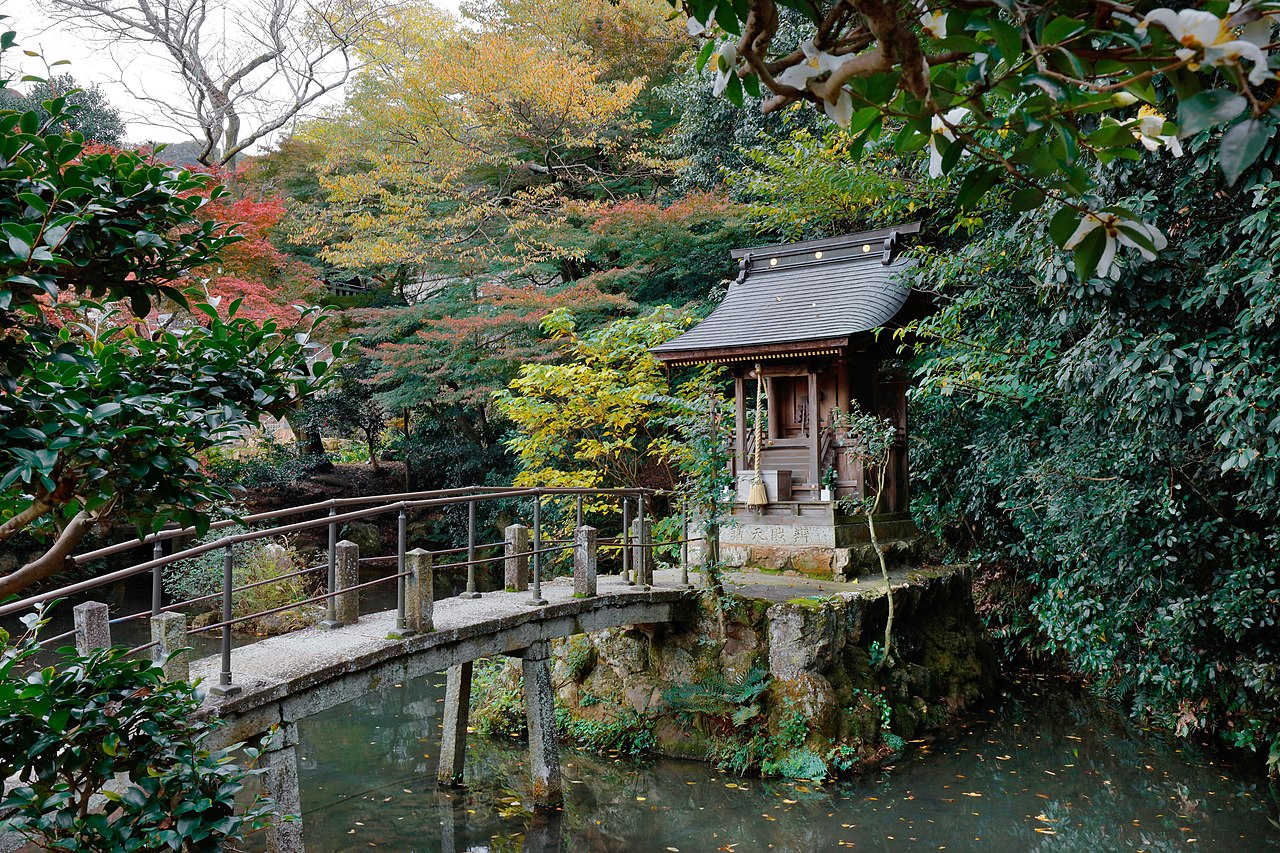
- The calm air around the hall despite the downtown setting.
Access and Basic Information
- Location: Nagashima 2-chome, Aomori City, Aomori Prefecture (central Aomori City).
- Public transport: About a 17-minute walk from JR Aomori Station.
- By car: About 7 minutes from JR Aomori Station; parking space is available nearby.
- Worship: The grounds are open for free worship, and goshuin stamps are offered at the shrine office (please check the hours).
Practical Travel Notes
- Best season and time: Turning points of the year such as New Year and Setsubun bustle with people praying for health and protection. For quiet worship, a weekday morning in early spring or early summer is recommended, letting you pray in a calm that belies the city location.
- Avoiding crowds: The first-shrine-visit period is very crowded. To worship at leisure, choose a time after the New Year period or a weekday.
- Time needed: About 20 to 40 minutes for worship and a stroll of the grounds. Allow a little more if you wish to receive a goshuin.
- Nearby real spots: Within walking distance are JR Aomori Station, sightseeing facilities of the Aomori Bay area, and the Aomori Prefectural Tourist Center ASPAM, making it easy to combine with city sightseeing.
- Budget: Worship is free. Receiving a goshuin or amulet requires the respective offering fee.
A Quick Tip
This is a shrine to drop by when you are concerned about your health or wish for safe passage through a new year. Praying for both protection from illness and good relationships is distinctive to Hirota Jinja. With easy access from the city center, fold your hands quietly between rounds of Aomori sightseeing and spend a moment settling body and mind. Since it lies within walking distance of Aomori Station, it also makes a fine stop at the start or close of a journey.
📚 Sources
For Hirota Jinja's tradition as a guardian against illness and misfortune and its main hall enshrining Fujiwara no Sanekata and Shindo Shobei Masatsugu, the official information of Hirota Jinja and on-site origin notices are helpful references. It sits in central Aomori City within walking distance of JR Aomori Station. Confirm shrine office hours and goshuin on the official site or on site. Fares, hours, and access may change, so please confirm with official information before you set out.
Visitor Checklist
- Estimated time needed: About 20 to 40 minutes for worship and a stroll through the grounds. Allow a little more if you receive a goshuin.
- What to bring and prepare: Since you can walk there from Aomori Station, no special gear is needed. Small coins are handy for goshuin or charm offerings.
- Suggested route: Worship at the main hall known as a guardian against illness and misfortune, and stroll the calm grounds. It fits into city sightseeing with Aomori Station, the Aomori Bay Area, and ASPAM within walking distance.
- Best time of day: For a quiet visit, a weekday morning in early spring or early summer is recommended.
- Seasonal note: Milestone times such as New Year and Setsubun and the New Year visit period are very crowded.
Practical Information for Your Visit
- Location: 2-13-5 Nagashima, Aomori City, Aomori Prefecture (tel. 017-776-7848)
- Amulet counter and shrine office: 8:30 to 16:30 / closed on Wednesdays (the closing day may change due to rituals and other events)
- Parking: 4 spaces reserved for worshippers, plus 22 spaces at an affiliated coin parking lot (paid)
- Enshrined deities: The main deity is Amaterasu Omikami Aramitama; the co-enshrined deities are Okuninushi-no-Mikoto, Kotoshironushi-no-Kami and Hiruko-no-Mikoto; and the additionally enshrined deities are Fujiwara no Sanekata Ason and Shindo Shobei Masatsugu
- How to worship: Worshipping at all five shrines within the precincts is considered the proper form of worship
Note: The opening and closing times of the precinct gates and the fees for prayer rituals are not published officially.
(Sources: Hirota Shrine official website)
📍 Location & Access


Share this article


✍️ About this article
This article is compiled by the Tabitabi JAPAN editorial team from official and primary sources, including facility and shrine/temple websites, tourism information published by municipalities and tourism associations, and cultural-property records released by national and local governments. Prices, opening hours and event dates may change, so please also check the official information of each facility or local government before you visit.