
Omishima: Grand Shrine of the Sea Deity Oyamazumi Shrine and Island Art
Omishima in Imabari City, Ehime Prefecture, is the largest island of the Geiyo Islands, located in the middle of the Shimanami Kaido (Nishiseto Expressway) that spans the Seto Inland Sea. It has long gathered faith as a sacred site of the sea deity that protects maritime traffic, home to Oyamazumi Shrine, the head shrine of the Mishima and Oyamazumi shrines nationwide. In recent years, art spots such as museums have become substantial, and it has become one of the most popular islands on the Shimanami Kaido, where you can enjoy shrine worship, art appreciation, and cycling all at once.
Highlights: Oyamazumi Shrine, Honoring the Sea Deity
Oyamazumi Shrine is an ancient shrine enshrining Oyamazumi no Kami, a deity of both mountains and the sea, and is the head shrine of the many Mishima and Oyamazumi shrines nationwide. Since ancient times it has received deep reverence from the imperial court and warrior families, and famed warlords including those of the Genji and Heike offered armor and weapons in prayer for fortune in battle. As a result, the treasure hall within the grounds houses many suits of armor and swords designated as national treasures and important cultural properties, and its collection of arms is said to be Japan's foremost. A great camphor tree cherished as a sacred tree rises within the grounds, and the precincts, wrapped in a sacred air, hold a solemn atmosphere. On the approach shopping street, you can enjoy local specialties such as gourmet items made with mikan and seafood.
An Island of Art and Cycling
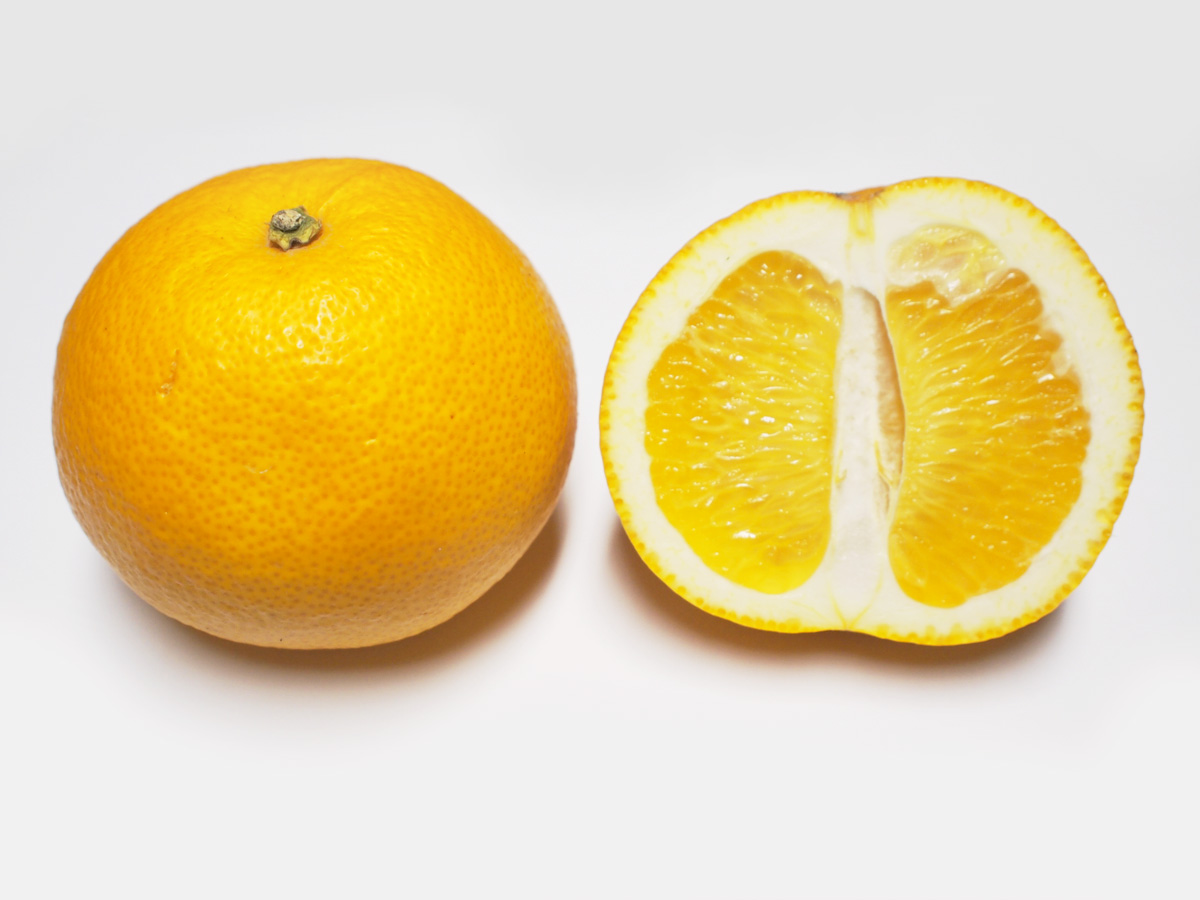
Omishima has come to be known not only as a shrine sanctuary but also as an art island. Museums where you can encounter works by architects and artists are scattered about, allowing you to enjoy spaces where Seto Inland Sea nature and art harmonize. The Shimanami Kaido is also world-famous as a mecca for cyclists, and you can fully enjoy exhilarating cycling across the bridges that link Honshu and Shikoku island by island. Omishima serves as a waypoint and a base for cyclists to rest or stay. Citrus cultivation also thrives, and island time gazing at the sea along with fresh flavors are pleasures of the trip.
Seasonal Enjoyment
The mild spring and autumn are the most comfortable seasons for cycling and island walks. Riding a bicycle along the coastal roads lets you fully savor the sparkling Seto Inland Sea and the spectacular bridges. Autumn to winter, when the citrus harvest arrives, is the time to enjoy seasonal flavors such as mikan. In summer, sea activities also thrive, letting you spend open, island-style time. Thanks to the mild Seto Inland Sea climate, it is easy to visit year-round, another appeal.
Access and Basic Information
Access is generally by crossing the Shimanami Kaido by car, bus, or bicycle, reachable from either Onomichi on the Honshu side or Imabari on the Shikoku side. Ferry routes are also available. Oyamazumi Shrine is within walking distance of the nearest bus stop. Since highlights are scattered across the island, using a rental bicycle or car allows efficient touring. Facilities such as the treasure hall have set opening hours and closing days, so plan worship and visits with time to spare.
Practical Travel Notes
- To enjoy cycling, using the rental-bicycle bases at various points along the Shimanami Kaido is convenient.
- Since the island has ups and downs, plan bicycle travel reasonably according to your stamina.
- The treasure hall charges admission and is viewed within opening hours. It is especially recommended for arms enthusiasts.
- On the approach shopping street, you can taste island flavors such as mikan juice and seafood.
A Word of Advice
Omishima is a charming island where you can enjoy the solemn sanctuary honoring the sea deity, Seto Inland Sea art, and the spectacular scenery of the Shimanami Kaido cyclists' mecca all at once. After calming your mind with a slow shrine visit, tour the island's scenery by bicycle or car for an unforgettable day. Enjoy island time where sea, history, and art are in harmony. (Tabitabi Japan Editorial Team)
📚 Sources
The information here is based mainly on the public guidance from Imabari city and the shrine office of Oyamazumi Shrine. The information for the treasure hall and the sacred camphor tree within the grounds, the island's art museums, the Shimanami Kaido rental-cycle terminals, the approach arcade, and on-site information boards are also useful references. Because the treasure hall's hours and admission and facility closed days may change, please confirm the latest details on the official Oyamazumi Shrine or Imabari city information before you visit.
Visitor Checklist
- Estimated time needed: About 1 to 1.5 hours to pray at Oyamazumi Shrine and tour the treasure hall; allow half a day to a full day if you add the island's art museums and cycling.
- What to bring: Comfortable shoes for the grounds and approach. The treasure hall is paid, so bring cash for admission, and for cycling, use the rental-cycle terminals near the ports.
- Suggested route: Pray at the sacred camphor tree and main hall of Oyamazumi Shrine, tour the National Treasure and Important Cultural Property armor and swords in the treasure hall, and taste mikan and seafood along the approach arcade. It combines well with Shimanami Kaido cycling for a tour of the island.
Practical Information for Your Visit
- Visiting hours at Oyamazumi Shrine: From around sunrise to 17:00. The amulet office (paper talismans, charms and goshuin seals) is open 9:00-17:00.
- Prayer rituals: Reception is 9:30-16:00 (the prayer reception desk is the amulet office). The offering starts at 5,000 yen, and offerings of 30,000 yen or more include a kagura performance.
- Admission to the treasure halls (Shiyoden, National Treasure Hall and the Omishima Maritime Museum): 1,000 yen for adults / 800 yen for university and high school students / 400 yen for junior high and elementary school students. Group discounts are available (10% off for 30-49 people, 20% off for 50-99 people, 30% off for 100 or more).
- Closing days of the treasure halls: Open every day
- Parking: The treasure halls have no car park of their own; the nearest is the Fuji Park municipal car park (free of charge, 50 spaces)
- Access by car: About 10 minutes from the Omishima IC on the Nishiseto Expressway (Shimanami Kaido). It takes about the same time whether you come from the Honshu side or the Imabari side.
- Access by bus from the Imabari side: About 65 minutes from in front of Imabari Station by Setouchi Bus (limited express) or Setonaikai Kotsu (express), getting off at Oyamazumi Jinja
- Access by bus from the Honshu side: Take the Shimanami Liner highway bus and get off at Omishima BS, then change to a Setonaikai Kotsu bus (bound for Miyaura Port) for about 12 minutes and get off at Oyamazumi Jinja
- Bicycle tolls on the Shimanami Kaido: Under the Shimanami Cycling Free promotion, bicycles using the cycling and pedestrian path of the Nishiseto Expressway pay no toll until March 31, 2028. No procedure is required to use it. Mopeds and specified small motorized bicycles are not covered and still pay the toll.
- Address and contact: 3327 Miyaura, Omishima-cho, Imabari City, Ehime Prefecture 794-1393 / TEL 0897-82-0032 (phone answered 9:00-16:00)
* Opening hours for the treasure halls are given differently in different official sources (a notice on the Oyamazumi Shrine official site says 9:00-16:30 with last entry at 16:00, while the Imabari City official site says 8:30-17:00 with last entry at 16:30). Please check with the shrine before your visit. * Fees and opening hours for the art museums on the island have not been verified for this article and are therefore omitted. (Sources: Oyamazumi Shrine official website; Imabari City official website; JB Honshi Expressway official website)
📍 Location & Access




Share this article


✍️ About this article
This article is compiled by the Tabitabi JAPAN editorial team from official and primary sources, including facility and shrine/temple websites, tourism information published by municipalities and tourism associations, and cultural-property records released by national and local governments. Prices, opening hours and event dates may change, so please also check the official information of each facility or local government before you visit.