
Eiheiji Temple: Head Temple of Soto Zen Founded by Dogen Zenji
Wrapped in cedar groves hundreds of years old, the only sounds echoing through the corridors are the footsteps of the unsui (training monks) and the voices of sutra chanting — Eiheiji, set in the mountains of Fukui, is the head temple of the Soto school of Zen, with around 780 years of history. It is a living Zen training hall where many monks still devote themselves to rigorous practice, and standing within its taut, pure air, you can feel your mind quietly settle.
The Zen Training Hall Founded by Dogen
Eiheiji was founded in 1244 (Kangen 2) by the Zen master Dogen. Dogen taught shikantaza, the practice of single-mindedly devoting oneself to seated meditation, and held that all of daily life — meals, cleaning, and samu work duties — is practice. That teaching continues unbroken today, and many monks lead a disciplined training life within the grounds. As the head temple of the Soto school, it forms the center of the sect together with Sojiji in Yokohama.

Highlights: The Seven-Hall Complex and Sanshokaku
Across a vast site of about 330,000 square meters stand more than seventy halls large and small, with the central shichido garan, or seven-hall complex — the sanmon main gate, butsuden Buddha hall, hatto dharma hall, sodo monks' hall, kuin kitchen, tosu east hall, and bathhouse — connected by corridors. Especially striking is the great hall of the Sanshokaku at the visitor entrance, where 230 vivid flower-and-bird paintings cover the entire ceiling, beloved as the painted-ceiling room. Many buildings in the grounds are designated national Important Cultural Properties, and together with the deep cedar groves they create a solemn atmosphere.

Seasonal Enjoyment
Early summer, when fresh greenery sets off the cedars, and autumn, when foliage colors the grounds, are especially beautiful, while the silence of winter under snow is exceptional in its own way. Because the corridors are connected, it is easy to tour the halls even on rainy or snowy days, so you can visit in any season. Early morning carries the air of the monks' devotions, a time when the quiet stands out. To avoid crowds, aim for the hours just after opening.
Access and Basic Information
- Rail and bus: from JR Fukui Station, transfer from the Echizen Railway to a Keifuku bus, or take the direct Eiheiji Liner bus from the east exit of Fukui Station, about 30 minutes to the last stop, Eiheiji.
- By car: just off the Eiheiji Sando IC on the Chubu-Jukan Expressway. There is paid parking in the temple town.
- Visiting: gates open at 8:30 and close at 16:30 (arrive by 16:00). Admission is 700 yen for adults and 300 yen for elementary and junior high school students, free for preschool children. Day-visit zazen sessions require no advance reservation and are held three times a day (10:00 / 13:30 / 15:30, about 50 minutes each), while the overnight two-day training stay, in which you live as the monks do, requires advance booking. Sutra copying and similar activities are currently suspended.
- Temple town: shops along the approach serve goma-dofu (sesame tofu), shojin ryori vegetarian cuisine, and Eiheiji soba.
Access and Essentials
- By rail and bus: From JR Fukui Station, transfer to the Echizen Railway and Keifuku Bus, or take the direct Eiheiji Liner bus from the Fukui Station east exit, about 30 minutes to the Eiheiji terminus.
- By car: Just off the Eiheiji-Sando Interchange on the Chubu-Jukan Expressway. There is paid parking in front of the gate.
- Visiting: Admission fees and hours are subject to change, so please check the official website for the latest information. Seated meditation and sutra copying experiences, and the overnight sanzen practice living like the monks, require advance application.
- Gate-front town: Shops offer sesame tofu, vegetarian temple cuisine, and Eiheiji soba.
Practical Travel Notes
- Best season and time: Early summer greenery or autumn foliage. For quiet, the early morning just after opening.
- Avoiding crowds: Daytime during long holidays and peak foliage is busy, so early morning is best.
- Time needed: About an hour to view the halls; half a day if you add a meal at the gate-front town or a meditation experience.
- Dress and manners: The grounds have many slopes, steep stone steps, and polished corridors, so wear comfortable shoes. As a place of practice, refrain from chatter and tour quietly.
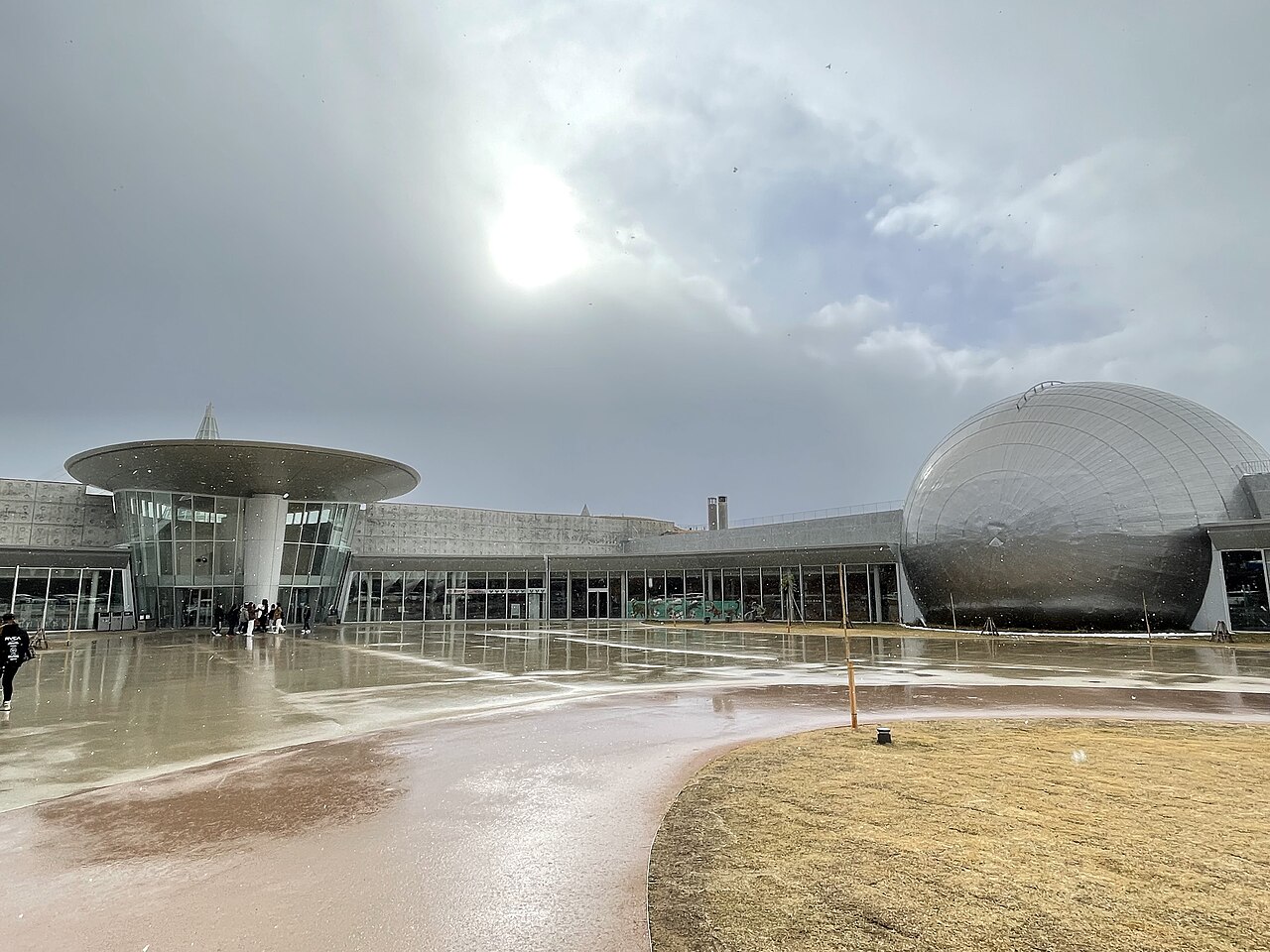
- Nearby real spots: Can be combined with the Fukui Prefectural Dinosaur Museum (toward Katsuyama), the Ichijodani Asakura Clan Ruins, and central Fukui.
A Word of Advice
Eiheiji is both a sightseeing spot and a sacred training hall where practice still continues. There are places where photography is restricted and areas where you should refrain from talking. If you visit while cherishing the quiet, you can feel the taut air of Zen all the more deeply.
📚 Sources
The information here is based mainly on the official information of the head temple Eiheiji, together with the public information of Eiheiji town and its tourism and products association. The history as the head temple of the Soto Zen school and the guidance on experiences such as zazen, sutra copying, and sanzen are also useful references. Because the visiting fee and hours and the application method for experiences may change, please confirm the latest details on the official Eiheiji head temple or Eiheiji town information before you visit.
Visitor Checklist
- Estimated time needed: About 1 hour just to view the seven main halls, or allow half a day if you add a meal at the temple gate or a zazen experience.
- What to bring: Comfortable walking shoes are advised, as the grounds have many slopes, steep stone steps, and polished corridors. Because it is a training hall where practice still continues, refrain from talking and tour quietly. Zazen, sutra copying, and sanzen require advance application.
- Suggested route: After viewing the seven main halls along the corridors from the painted ceiling of Sanshokaku, enjoy sesame tofu and Eiheiji soba at the temple gate, then combine your trip with the Ichijodani Asakura Family Ruins and the Fukui Prefectural Dinosaur Museum, both reachable by car.
Practical Information for Your Visit
- Visiting hours: The gates open at 8:30 and close at 16:30 (arrive by 16:00). Open year-round (hours may change to suit temple observances).
- Admission: 700 yen for adults, 300 yen for elementary and junior high school students, 300 yen for those presenting a disability certificate, and free of charge for preschool children.
- Zazen and sanzen: The day-visit sanzen experience (zazen meditation) requires no advance booking. It is held 3 times a day (10:00, 13:30 and 15:30) and takes about 50 minutes; apply at the reception desk at least 5 minutes before the session starts. The overnight "two-day, one-night sanzen experience" must be booked in advance. Sutra copying and similar activities are currently suspended.
- How long to allow: A little under 1 hour to see the whole complex at a leisurely pace. The temple is built on a mountain slope with many steps, so allow yourself plenty of time.
- In wet weather: All the buildings are connected by roofed corridors, so you can visit even in the rain.
- Access (direct bus): The Keifuku Bus "Limited Express Eiheiji Liner" runs daily from the east exit of Fukui Station and takes about 30 minutes. The fare is 750 yen one way for adults and 380 yen for children. Seating is limited and first-come, first-served, and seats cannot be reserved (you cannot board when it is full).
- Access (train plus bus): From Eiheiji-guchi Station on the Echizen Railway Katsuyama Eiheiji Line, change to the Keifuku Bus bound for Eiheiji Monzen or Eiheiji, get off at the terminus and walk 5 minutes (the bus ride takes about 13 minutes).
- Access (car): About 5 km and roughly 10 minutes from the Eiheiji-Sando IC on the Chubu-Jukan Expressway. For parking, use the coin car parks right by Eiheiji's Hanshaku Bridge.
- Other: Pushchairs may not be taken around the temple (they are held at reception). Pets must be in a cage; carrying them in your arms, in a sling or in a carrier is not permitted.
(Sources: Daihonzan Eiheiji official website; Keifuku Bus official website)
📍 Location & Access


Share this article




✍️ About this article
This article is compiled by the Tabitabi JAPAN editorial team from official and primary sources, including facility and shrine/temple websites, tourism information published by municipalities and tourism associations, and cultural-property records released by national and local governments. Prices, opening hours and event dates may change, so please also check the official information of each facility or local government before you visit.