
Gifu Cherry Blossom Guide: Best Sakura Spots
Senbonzakura (Thousand Cherry Trees)
When people talk about spring in Gifu, this is the name that comes up first. Just as the name suggests—a gathering of countless cherry trees blooming simultaneously—the moment you first lay eyes on this scene, your feet stop involuntarily and you are left speechless by the sheer scale of the spectacle. The locals who make a pilgrimage here every spring, as if greeting an old friend, will make perfect sense to you once you arrive.
Pale pink petals filling the entire sky above, blossoms floating down in waves every time the breeze stirs—this is the very essence of the "primal spring landscape" etched into the Japanese soul. On weekends, families and couples fill the area, but the overwhelming beauty of the sakura somehow envelops even the busiest crowds in a gentle, forgiving grace. If you want to feel Gifu's spring with your whole body, start here.
Best Viewing Season
Peak bloom is generally late March to mid-April (timing varies by location and altitude). The full-bloom window is only about one week—fragile, as sakura always are—and that very fragility is what draws people back year after year with hearts full of anticipation: "This year, I'll catch the perfect bloom." Check Gifu Prefecture's tourism website and local official social media accounts for real-time flowering updates so you don't miss the ideal timing.
Recommended viewing time is the hour right after the venue opens. The cherry trees illuminated by soft morning light, with few other visitors present, offer the most peaceful photography and the cleanest air. Weekend afternoons bring the largest crowds, so those who want to stroll freely should aim for weekday mornings.
Evening Illumination
At night, illuminated Senbonzakura reveals a completely different, perhaps even more magical face. The pale blossoms glowing against a dark sky create a poetic, ephemeral beauty that is impossible to photograph without catching your breath first. Many cherry blossom locations throughout Gifu offer evening light-up events during peak season—check local event calendars for specific timings.
Neonotani no Usuzumi Zakura (Neodani Usuzumi Cherry)
One of Japan's "Three Great Cherry Trees" (Nihon Sandaizakura), the Neonotani Usuzumi Cherry (Neodani Usuzumi Zakura) in Motosu City is a living monument—said to be approximately 1,500 years old—and a National Natural Monument. "Usuzumi" (diluted ink) refers to the tree's unique color: pale, almost grayish-pink in bud, pure white at full bloom, and fading to a misty gray-lilac as the petals fall. No other cherry tree in Japan has this distinctive three-stage color progression.
Standing before this ancient tree is a humbling experience. Its gnarled, massive trunk—supported by numerous props to bear the weight of centuries—radiates a quiet dignity and life force that is almost impossible to put into words. The surrounding landscape of Neodani (Neodani Valley), where early spring mist often lingers in the mountain hollows, adds to the sense of encountering something timeless.
Best Viewing Season
The Usuzumi Cherry typically reaches peak bloom slightly later than urban cherry trees—generally early to mid-April. The period around the tree's full bloom sees a special festival in Motosu City, and temporary shuttle buses are often operated from Gifu or nearby train stations.
Access: By car, approximately 1 hour from Gifu City. During peak season, park at designated lots and use shuttle services to the tree.
Gujo Hachiman Castle and River Scenery
The castle town of Gujo Hachiman (Gujo-Hachiman) is one of Gifu's most beautiful spring destinations. The white castle perched atop a forested hill above the crystal-clear Yoshida River is breathtaking at any time of year, but in cherry blossom season—when the slopes below the castle are carpeted in pink—the scene is extraordinary.
The town itself, threaded with clear streams fed by Mount Hakusan, has a serene, storybook quality. Stone-paved lanes alongside the Yoshida River, lined with cherry trees in spring, are perfect for a slow, meditative walk with a camera.
Best Viewing Season
Late March to mid-April for cherry blossoms in the town and around the castle slopes. The area's higher elevation means blooms often last a few days longer than in lowland areas.
Access: Approximately 50 minutes by Nagaragawa Railway from Gifu Station to Gujo-Hachiman Station, then a 25-minute walk (or shuttle bus) to the castle.
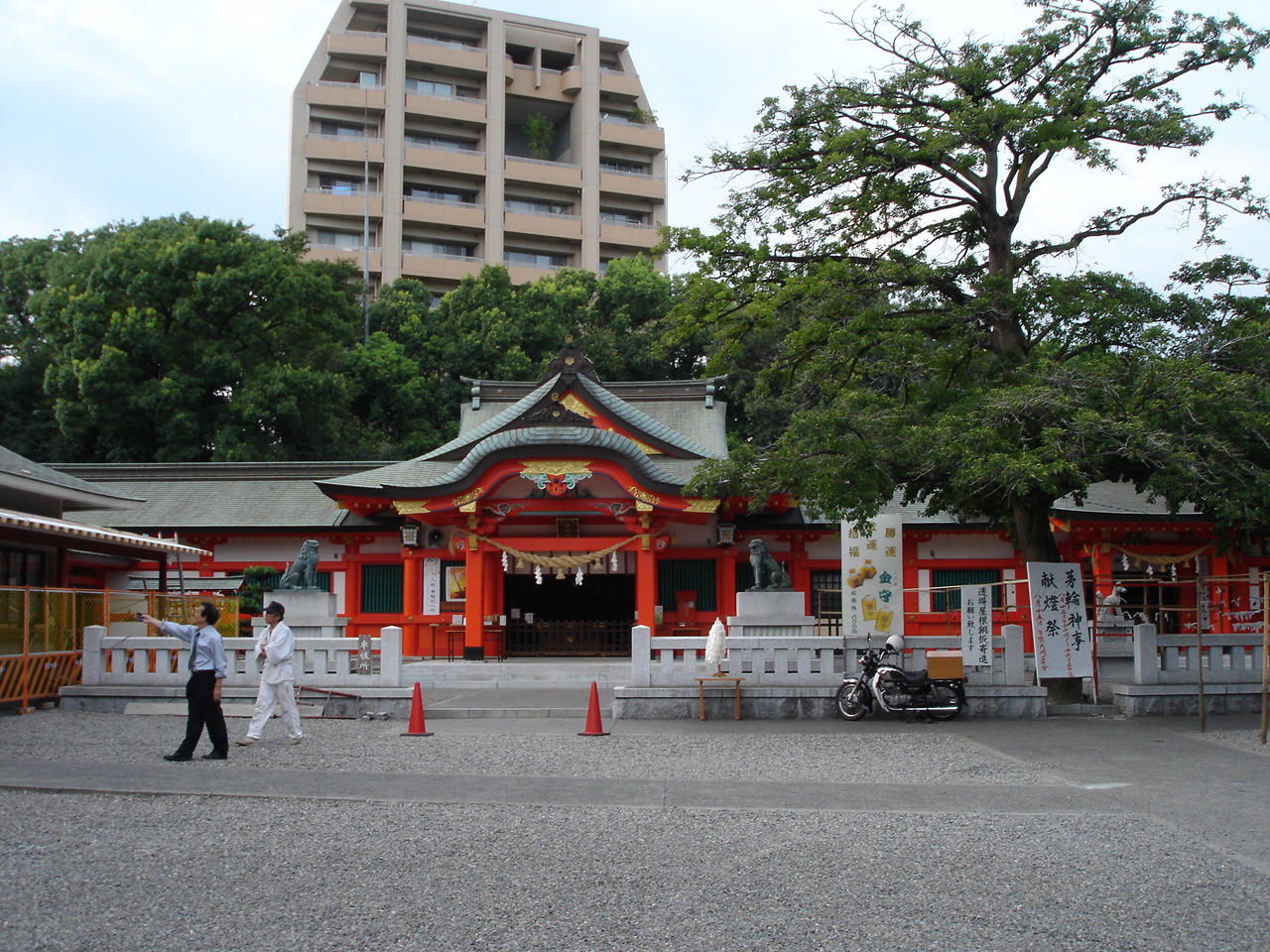
Kawakami Shrine's Giant Cherry Tree (Ichihara, Kani City)
For those willing to venture off the well-trodden tourist path, the ancient weeping cherry tree (shidare-zakura) at Kawakami Shrine in Kani City is a revelation. Estimated to be several hundred years old, this single tree spreads its cascading branches over a wide area in an unrestrained, magnificent display that makes it feel like a single tree has become an entire forest of blossoms.
Weeping cherry trees (shidare-zakura) in full bloom have a quality that is somehow both melancholy and joyful—their drooping branches heavy with flowers seem to be bowing gracefully to all who come to admire them.
Best Viewing Season
Late March to early April, slightly earlier than mountain locations. The tree is particularly magical at dusk, when the remaining light catches the hanging blossoms from below.
Access: Approximately 30 minutes by car from Gifu City.
Practical Guide for Cherry Blossom Viewing in Gifu
- Planning: Download the official Gifu Tourism App or follow local tourism social media for real-time blossom updates
- Transportation: Public transit for major spots; rental car recommended for the Neodani Usuzumi Cherry and more rural locations
- What to Bring: Comfortable shoes, layers (mornings can be cold even in April), a tripod for evening illumination photography
- Etiquette: At shrine and temple locations, maintain a respectful demeanor; dispose of all trash responsibly; avoid trampling under-tree areas where root systems may be sensitive
- Accommodation: Book well in advance for peak blossom weekends; ryokan (traditional inns) in Gujo Hachiman and Gero Onsen offer exceptional spring packages
📍 Location & Access




Share this article


✍️ About this article
This article is compiled by the Tabitabi JAPAN editorial team from official and primary sources, including facility and shrine/temple websites, tourism information published by municipalities and tourism associations, and cultural-property records released by national and local governments. Prices, opening hours and event dates may change, so please also check the official information of each facility or local government before you visit.