
Kaga Onsen: Four Hot Spring Tour of Yamashiro, Yamanaka, Awazu, and Katayamazu
Bathing while gazing at a gorge, lakeside inns, ryokan associated with the artist Kitaoji Rosanjin — Kaga Onsen in Ishikawa is a historic hot spring region gathering four springs, each with its own charm. Long loved by writers and artists, it lets visitors choose a spring to suit their mood, and paired with the rich cuisine of Hokuriku, it offers deeply restful moments.
Highlights
Kaga Onsen is the collective name for four distinctive hot spring resorts: Yamashiro, Yamanaka, Katayamazu, and Awazu. The first three lie in Kaga City, while Awazu is in Komatsu City. All have long been cherished as places of healing, each with its own character.
- Yamanaka Onsen: A spring overlooking the beautiful Kakusenkei gorge. Said to have been visited by the poet Matsuo Basho, it offers pleasant walks along the gorge-side path.
- Yamashiro Onsen: Associated with the artist Kitaoji Rosanjin, it charms with the atmosphere of a spa town centered on its Soyu communal bathhouse. It is one of the largest hot spring towns in Hokuriku.
- Katayamazu Onsen: Rising on the shore of Lake Shibayamagata, it lets visitors bathe alongside lake views said to change expression many times a day.
- Awazu Onsen: An ancient spring said to have been discovered by the monk Taicho, with 1,300 years of history. Long-established inns of Kaga continue to tend its waters today.
Seasonal Enjoyment
Winter is especially recommended, when snow crab (Kano crab) comes into season. Sweet shrimp and rosy seabass and other treasures of the Sea of Japan grace the table. The gorge scenery of Kakusenkei in fresh green and autumn colors is also splendid, making strolls from spring through autumn a delight.
Access and Basic Information
- Location: Kaga City and Komatsu City, Ishikawa
- Access: Kaga Onsen Station is the gateway; reach each resort by local bus or car
- Spring quality and fees: Vary by inn and communal bathhouse
- As a base: Close to Kanazawa and ideal for an overnight stop on a Hokuriku tour
Practical Travel Notes
- The four springs are somewhat spread out, so a car or bus is convenient for hopping between them.
- Each town has a communal bathhouse called Soyu, so day-trip bathing is possible.
- The area is also a production center for Kutani ware and Yamanaka lacquerware, making pottery workshops and craft browsing part of the trip.
- Crab is available only in winter, so check the seasonal specialties for your travel dates with your inn.
A Word of Advice
Combined with nearby sights such as Kutani ware kilns and Natadera temple, it makes for a full journey taking in the nature, cuisine, and crafts of Kaga all at once.
📚 Sources
This article is based on information published by Kaga City and Komatsu City, the Kaga Onsen resort tourism associations, and each resort's tourism cooperative and shared bathhouse (soyu). Across the Yamashiro, Yamanaka, Katayamazu, and Awazu resorts, the water quality, fees, and hours of inns and shared baths differ and may change. Fees, hours, and access may change, so please check the official information of each resort and facility before setting out. Seasonal delicacies such as crab are available only for a limited time, so confirming with your inn is recommended.
Visitor Checklist
- Time needed: Allow a half day to an overnight to relax at one resort, or one to several days to bathe your way around all four.
- What to bring: For day-use bathing at the shared soyu, bring small change and a towel. If you are after winter crab, confirm the seasonal availability with your inn in advance.
- Suggested route: A classic circuit takes in Yamanaka Onsen with the scenic Kakusenkei gorge, Yamashiro Onsen centered on its soyu, Katayamazu Onsen on the shore of Lake Shibayama, and Awazu Onsen with 1,300 years of history, moving by car or bus.
- Getting around: The four resorts are somewhat apart, so a car or bus is convenient.
Practical Information for Your Visit
- Yamashiro Onsen Soyu: Open until 22:00 from 6:00 / closed on the fourth Wednesday of each month from 6:00 to 12:00 (normal operation from noon) / 500 yen for adults, 150 yen for children aged 6 to under 12, 70 yen for children aged 3 to under 6, free of charge for under 3s / 2-1 Bansho-en-dori, Yamashiro Onsen, Kaga City; 0761-76-0144
- Yamashiro Onsen Ko-Soyu: Open until 22:00 from 6:00 (7:00-21:00 from December to February) / closed on the same days as the Soyu / 700 yen for adults, 280 yen for older children, 140 yen for younger children, free of charge for under 3s / a combined ticket for the Soyu and Ko-Soyu costs 1,000 yen (revised on April 1, 2026) / there are no taps or showers
- Yamanaka Onsen Kiku-no-Yu: Closed on the second and fourth Tuesdays (closed the following day when Tuesday is a public holiday; occasional unscheduled closures) / 500 yen for adults (aged 12 and over), 150 yen for older children, 70 yen for younger children, free of charge for under 3s / parking for about 100 passenger cars / about 10.5 km from Kagaonsen Station, and about 25 m from the "Yamanaka Onsen Kiku-no-Yu / Yamanaka-za" stop on the Kaga loop bus
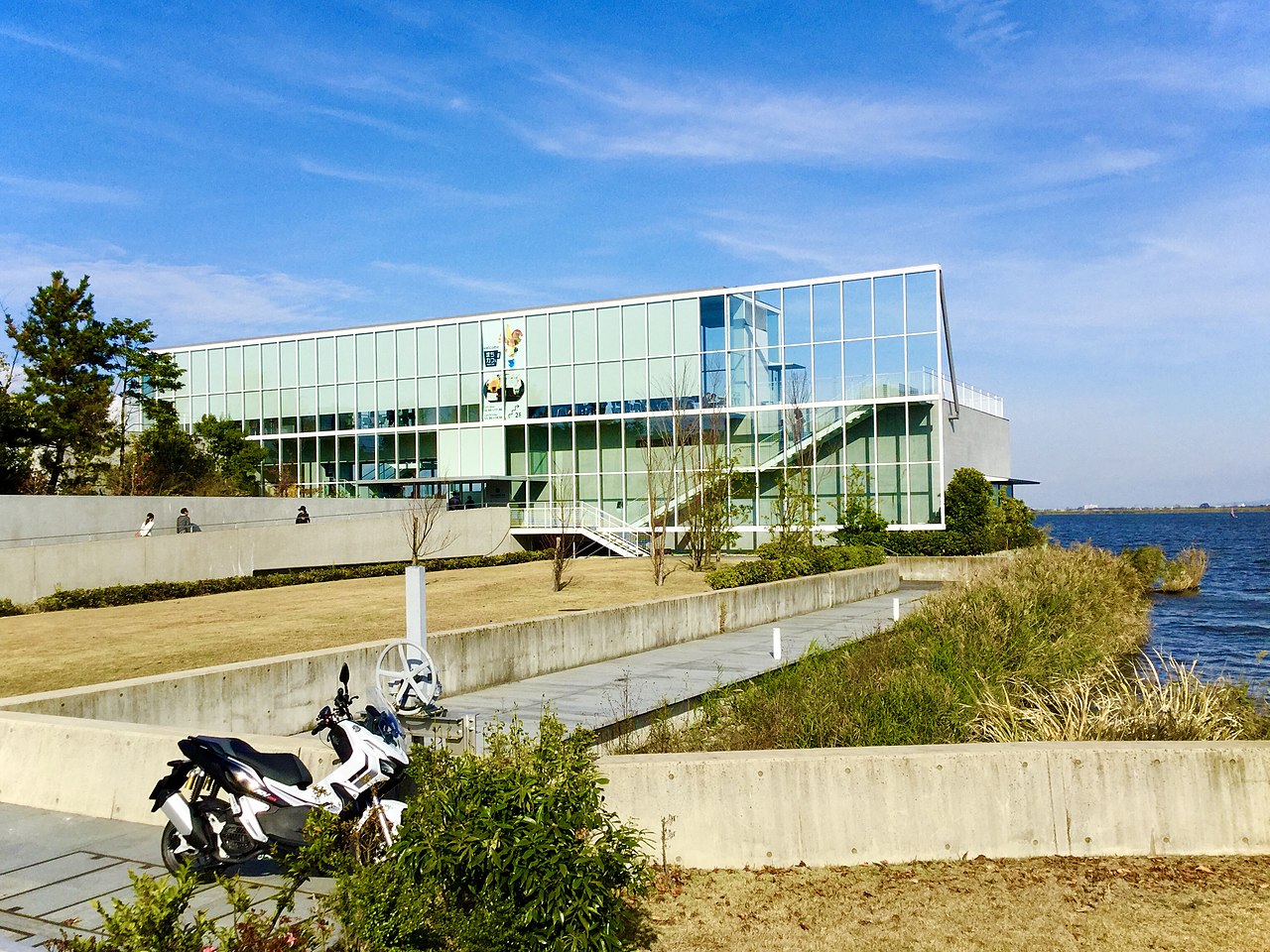
- Katayamazu Onsen Soyu: The hot spring on the 1st floor is open 6:00-22:00 (occasional unscheduled closures) / 500 yen for adults (aged 12 and over), 150 yen for older children, 70 yen for younger children, free of charge for under 3s / parking is free of charge (50 passenger cars) / the "Machi Cafe" on the 2nd floor is open 11:00-16:00 (last order 15:30) and closed on Thursdays / about 4.6 km from Kagaonsen Station
- Awazu Onsen Soyu (Komatsu City): Open 8:00-22:00 (last admission 21:30), closed on Tuesdays / 500 yen for adults, 150 yen for children (elementary school students), 70 yen for preschool children / parking for 10 cars / 10 minutes by car from JR Awazu Station, or take the Awazu line local bus from Komatsu Station and get off at "Awazu Onsen"
Note: The opening hours of Yamanaka Onsen Kiku-no-Yu are not given here because they are stated differently on the official website of the Kaga Onsen resort area (6:45-22:00) and on the official website of the Yamanaka Onsen Tourism Association (7:00-22:00). Note: The rates for older and younger children on the combined Soyu and Ko-Soyu ticket are not given here because they are stated differently between the official websites.
(Sources: Yamashiro Onsen Tourism Association official website; [Official] Kaga Onsen Resort Area; Katayamazu Onsen Soyu official website; Komatsu Kanko Navi (the official tourism information site of Komatsu City))
📍 Location & Access




Share this article




✍️ About this article
This article is compiled by the Tabitabi JAPAN editorial team from official and primary sources, including facility and shrine/temple websites, tourism information published by municipalities and tourism associations, and cultural-property records released by national and local governments. Prices, opening hours and event dates may change, so please also check the official information of each facility or local government before you visit.