
Kyoto Food Guide: Kaiseki, Obanzai & Matcha Sweets
In Kyoto, the thousand year old capital, a distinctive food culture nurtured by long history and refined tradition lives on. Home style obanzai, yudofu rooted in temple vegetarian cooking, and matcha sweets made with Uji tea are among the great pleasures of a trip to Kyoto, each elegant and delicate.
Highlights
Kyoto cuisine developed as court ceremonial dishes, Zen temple vegetarian cooking, and the kaiseki of the tea ceremony blended together. Being an inland basin far from the sea, the city advanced its dried goods and preservation skills and refined delicate methods that draw out each ingredient. An aesthetic that treasures the turning seasons gives rise to cuisine beautiful to the eye.
Obanzai is the everyday home cooking of Kyoto, small dishes of seasonal vegetables and dried goods with deep, gentle flavor. Yudofu is famous near Nanzenji, where fine tofu made with good water is warmed gently in kelp broth. Close to the Uji tea region, Kyoto also abounds in matcha sweets such as parfaits, warabi mochi, and nama yatsuhashi.
Enjoying the Seasons
Warm yudofu and nishin soba are especially longed for in the chilly autumn and winter. Spring brings bamboo shoots and cherry blossoms, summer pike conger and riverside dining, autumn matsutake and foliage, winter crab and turnip. Uji's matcha sweets are also not to be missed in early summer when new tea appears or in summer when chilled shaved ice beckons.
Access and Basic Information
- Area: the central Nishiki Market, called the kitchen of Kyoto, lines about four hundred meters from Teramachi to Takakura Street with over one hundred thirty specialty shops. Obanzai clusters in Pontocho and Kiyamachi, yudofu near Nanzenji and in Arashiyama, and matcha sweets in Uji, so each dish has its own zone.
- Budget guide: a bowl of nishin soba starts from the low thousands of yen, a yudofu lunch set roughly from the three thousand yen range, and a kaiseki lunch course often from around six thousand yen, varying by shop.
- Format: for eating around choose Nishiki Market, and for a proper sit down meal a ryotei or soba shop, so you can pick by purpose.
- Access: with JR Kyoto Station as your base, combining the subway, Keihan, and Hankyu is efficient. Nishiki Market is within walking distance of Hankyu Kyoto Kawaramachi Station or the subway Shijo Station.
Practical Travel Notes
- At Nishiki Market, as a rule refrain from eating while walking and enjoy food at the storefront or in an eat in space. Have your trash taken by the shop where you bought it, or carry it out. The market is quiet in the morning and grows crowded from before noon.
- During the peak seasons of cherry blossoms (late March to early April) and foliage (mid November to early December), city buses tend to run well behind. Building your plan around the subway and walking helps you make reservation times.
- Reservations are reassuring at popular ryotei and yudofu shops. Contact them early once your itinerary is set.
- Pairing eating around with sweet shops, so you alternate sweet and savory, raises your satisfaction.
A Quick Tip
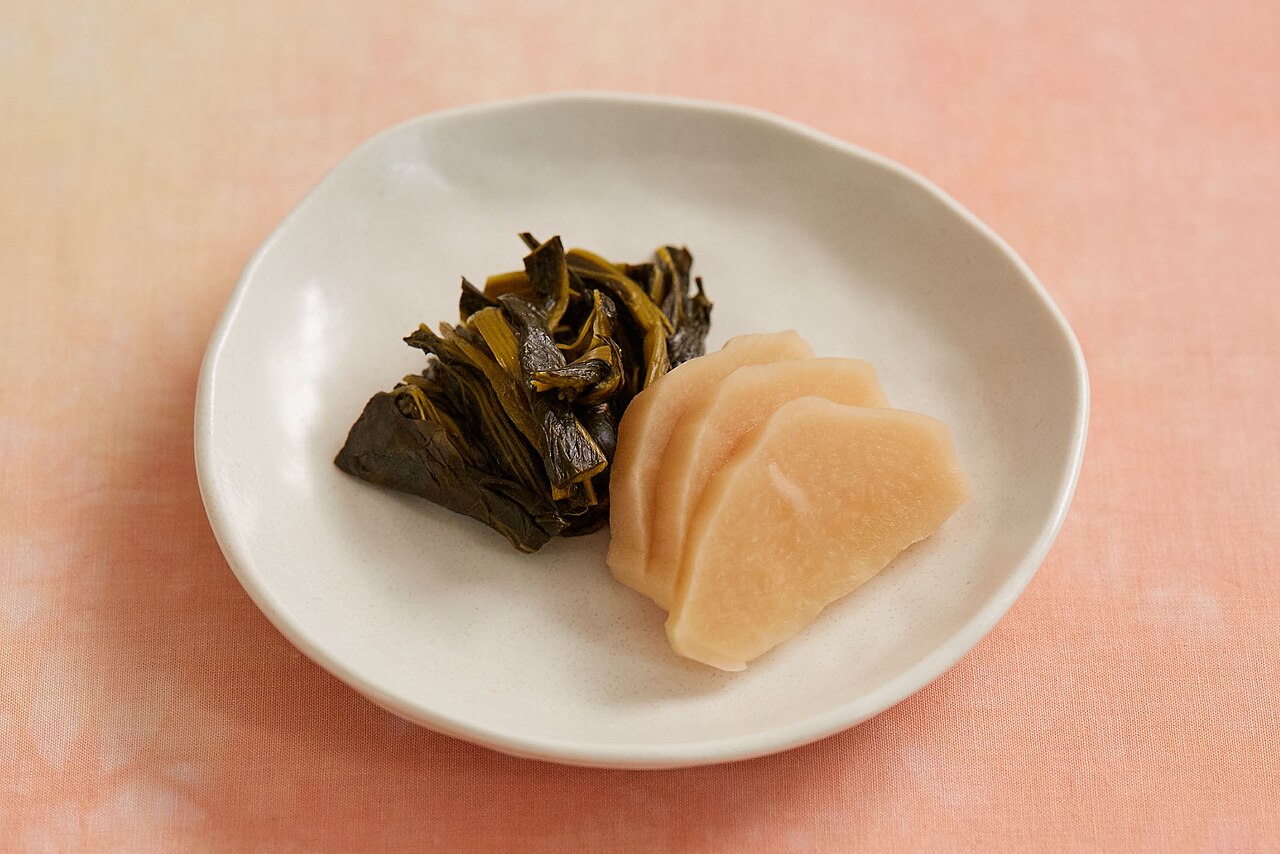
If you want it all in one day, snack on dashimaki and pickles at Nishiki Market in the morning, have yudofu or nishin soba at midday, and finish with matcha sweets in the afternoon. Base your movements on the train and your plan holds up even in the busy season.
Practical Information for Your Visit
- A public facility where you can learn: The Kyoto Food Culture Museum Ajiwaikan (130 Chudoji Minami-machi, Shimogyo-ku, Kyoto City). Open 8:30-17:00 with free admission, closed every Wednesday (except public holidays) and from December 31 to January 4. About a 3-minute walk from JR Tanbaguchi Station, it is jointly operated by Kyoto Prefecture and Kyoto City.
- Tourist information centre: The Kyoto Tourist Information Center 'Kyo Navi' is on the second floor of the Kyoto Station Building, along the north-south free passageway. Open 8:30 to 19:00 all year round, telephone 075-343-0548.
- Base for snacking your way around: Nishiki Market is at 609 Nishi-Daimonji-cho, Nakagyo-ku, Kyoto City. It is about a 3-minute walk from 'Shijo' Station on the Subway Karasuma Line or Hankyu 'Karasuma' Station.
- Points to note: The official website of Nishiki Market asks visitors to 'please refrain from eating while walking. Please eat in front of, or inside, the shop where you made your purchase.'
Note: Opening hours and prices at individual shops vary from shop to shop.
(Sources: Kyoto Food Culture Museum Ajiwaikan official website, Kyoto Prefecture Tourism Federation official website 'Kyoto Tourist Information Center Kyo Navi', Kyoto Nishiki Market Shopping Street official website)
📍 Location & Access


Share this article




✍️ About this article
This article is compiled by the Tabitabi JAPAN editorial team from official and primary sources, including facility and shrine/temple websites, tourism information published by municipalities and tourism associations, and cultural-property records released by national and local governments. Prices, opening hours and event dates may change, so please also check the official information of each facility or local government before you visit.