
Nozawana-zuke: Naganos Winter Pickle from Nozawa Onsen
Nozawana-zuke is a salt-pickled preparation of nozawana greens grown in Nozawa Onsen village, a signature winter pickle of Shinshu. It is said that in the Horeki era a head priest of Kenmei-ji brought turnip seeds from Kyoto, and in this lands climate the leaves and stems grew long to become nozawana. Its crisp bite and refreshing tartness suit rice and tea time perfectly.
Highlights
In the birthplace of Nozawa Onsen, you can still see the old custom of washing the greens in hot spring water. Locals also call it ohazuke, and each household has its own flavor. Freshly made light pickles taste very different from older pickles deepened by lactic fermentation.
Enjoying the Seasons
The harvest runs from late autumn into early winter, and locals pickle all at once from early to mid November. The fresh winter batch is juicy, while older pickles kept until early spring offer deep umami. The greens also star as a filling for oyaki and an ingredient in fried rice.
Access and Basic Information
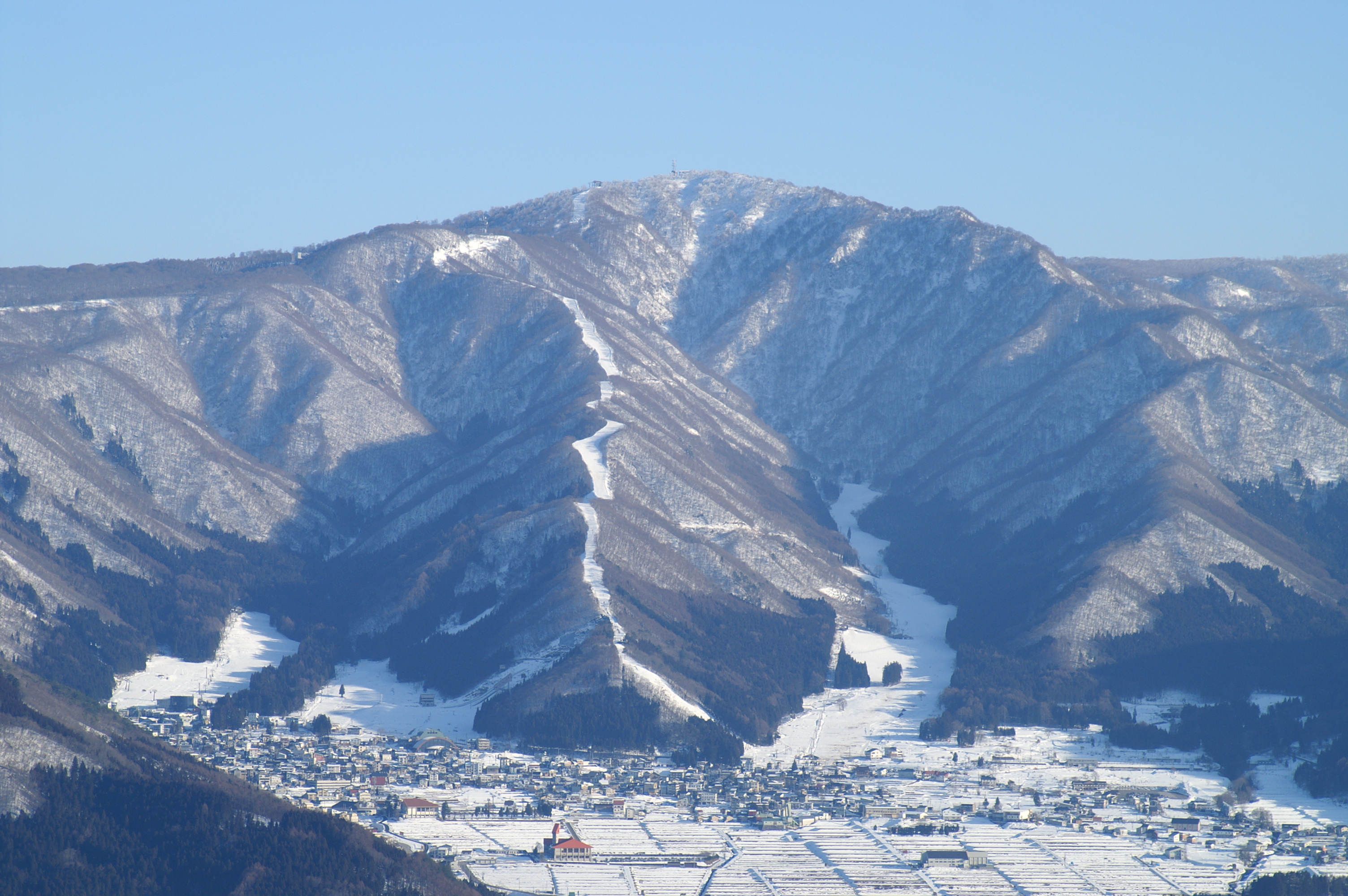
Nozawa Onsen village has many pickle shops, easy to visit while strolling the hot spring town. In winter it is a popular destination where you can savor the authentic taste alongside skiing and bathing. Vacuum-packed souvenirs are widely sold at supermarkets and gift shops, with prices varying by quantity and how the pickle is aged.
Practical Travel Notes
Nozawana is a specialty closely tied to Kenmei-ji temple in Nozawa Onsen village, and in late autumn when harvest and pickling peak, the sight of greens being washed in hot spring water becomes a local seasonal scene. Visiting the village then, you find freshly made pickles at direct-sale shops and can compare light and aged batches. Nozawa Onsen is a hot spring town dotted with public bathhouses, so tasting the pickles alongside skiing or a bathhouse tour deepens the trip. For souvenirs, vacuum packs that keep well are handy; light pickles are best eaten soon, while the tarter aged ones suit rice or a drink. Winter brings heavy snow and cold, so warm clothing and non-slip shoes are reassuring.
A Quick Tip
Older pickles are quite tart, so a light rinse before chopping makes them easier to enjoy. Chopped and stir-fried with sesame oil, they offer a different, richer taste.
Practical Information for Your Visit
- Best season: According to the Ministry of Agriculture, Forestry and Fisheries' "Our Local Cuisine," nozawana is harvested in November. Because frost makes the leaves sweeter and more tender, growers wait for the cold before bringing in the crop. After pickling, it is at its best around the year-end and New Year period, and as lactic fermentation progresses it takes on an amber, tortoiseshell color.
- Origin: It is said that tennoji turnip, brought back from Kyoto by the chief priest of a temple in Nozawaonsen Village in the 6th year of Horeki, failed to develop roots in the climate and soil here and instead grew large leaves and stems, becoming a vegetable unique to the area.
- Markets where you can buy it: In 2026 the Nozawa Onsen Morning Market is held every Sunday from May 4 to October 25, from 6:00 to 7:30 in the morning on Oyu-dori street. Pickled nozawana, akebi vine crafts, and seasonal vegetables, wild plants and fruit are on sale (there is no market in winter).
* Opening hours and prices at individual shops vary from shop to shop.
(Sources: Ministry of Agriculture, Forestry and Fisheries "Our Local Cuisine: Nozawana-zuke, Nagano Prefecture", Nozawa Onsen Mountain Resort Tourism Bureau official website "Nozawa Onsen Morning Market")
Sources of Information
This article is compiled from tourist information for Nagano Prefecture and information published by each shop. Prices, menus and seasons are subject to change, so please check each shop's official information for details.
Sightseeing Checklist
- Guide to budget: From a few hundred yen per bag, with assorted gift sets also available
- Where to eat it: Pickle shops, roadside stations and souvenir shops throughout the prefecture
- Recommended time: Available all year round; the pickling is done in late autumn
- Avoiding the crowds: Easy to buy as a souvenir
- Enjoy it together with: Rice or as an accompaniment to tea, as a filling for oyaki, and a stroll around the streets of Nozawa Onsen
📍 Location & Access


Share this article


✍️ About this article
This article is compiled by the Tabitabi JAPAN editorial team from official and primary sources, including facility and shrine/temple websites, tourism information published by municipalities and tourism associations, and cultural-property records released by national and local governments. Prices, opening hours and event dates may change, so please also check the official information of each facility or local government before you visit.