
Kaiyukan: World's Largest Class Aquarium Where Whale Sharks Swim
The Spectacle of Whale Sharks
Kaiyukan, opened in 1990, is one of the world's largest aquariums, known for the spectacular display of whale sharks swimming in the "Pacific Ocean" tank — about 9 meters deep and holding roughly 5,400 tons of water. The world's largest fish glides through this enormous tank with overwhelming presence, and its graceful, dignified form has become the symbol of Kaiyukan.
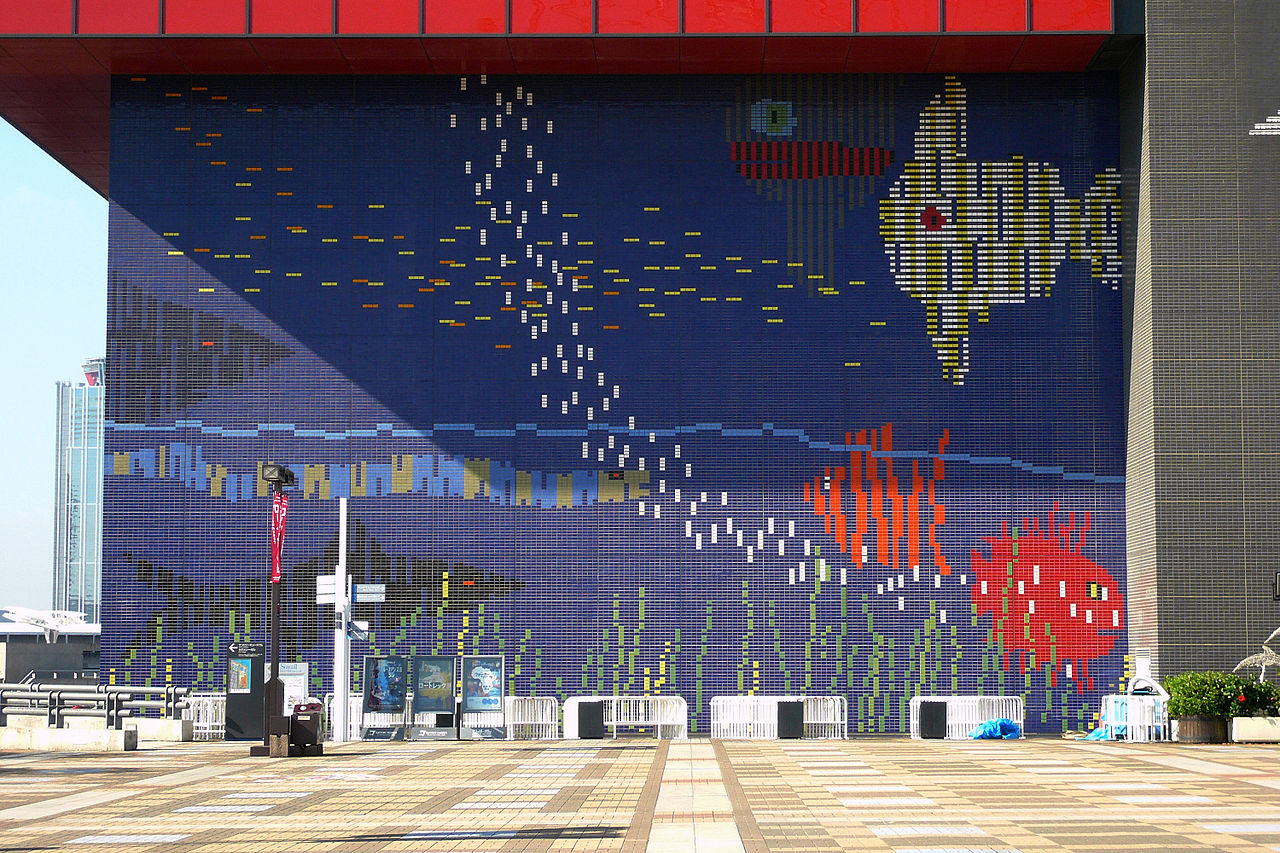
Creatures of the Pacific Rim
Kaiyukan's exhibits recreate the many natural environments that ring the Pacific Ocean, from Japan's forests to the Aleutian Islands, Monterey Bay, the Gulf of Panama, and Antarctica. Centered on the giant tank, the route descends in a spiral, letting visitors observe otters, penguins, sea lions, rays, jellyfish, and many other creatures living vividly within their environments.
Immersive and Hands-On Displays
The aquarium also has plenty of exhibits to enjoy with all the senses, including a touch zone where you can gently touch sharks and rays, and a corner to see Arctic creatures up close. The dreamlike display of drifting jellyfish is also popular. With creatures so close at hand, visitors of all ages can fully enjoy the world of the sea.
Practical Travel Notes
- Location: 1-1-10 Kaigan-dori, Minato Ward, Osaka
- Access: about a 5-minute walk from Osakako Station on the Osaka Metro Chuo Line
- Admission: a date-based variable pricing system; adults (16 and over, high school students) generally from about 2,700 yen. Because prices vary by period, check the calendar on the official website
- Hours: vary by day, basically 10:00 to 20:00 (may shift to 8:00 to 21:00 and similar depending on the season; last entry one hour before closing)
- Suggested time: about 2 to 2.5 hours for a thorough visit
Because Kaiyukan changes both its admission price and hours by date, it is best to check the price and hours for your visit day on the official website calendar in advance. Buying tickets online beforehand lets you skip the ticket-counter line and enter smoothly. The route rises to the 7th floor and then descends in a near one-way spiral, so grasping the overall flow at the entrance helps avoid confusion. The adjacent Tempozan area has a giant Ferris wheel, the Tempozan Marketplace, and the sailing-ship style cruise Santa Maria, offering a full day of fun.
Best Time to Visit
As an indoor facility, it can be enjoyed year-round. To avoid crowds, weekdays and mornings are recommended. Daily commentary events, such as whale shark feeding times, are sometimes held; checking the times on the official website or in-house notices lets you enjoy the visit more deeply. Late afternoon into evening tends to be quieter, and pairing the visit with the illuminated Ferris wheel is a nice option.
Visitor Checklist
- Estimated time: About 2 to 2.5 hours for a thorough visit.
- How to get around: You go up to the 7th floor, then descend a spiral route, so grasp the overall flow at the entrance to avoid getting lost.
- Access: About a 5 minute walk from Osakako Station on the Osaka Metro Chuo Line.
- Ticket prep: Admission and hours change by date, so check the calendar on the official site and buy online in advance for a smooth entry.
- Avoiding crowds: Weekdays, mornings, or late afternoon to evening are relatively quiet.
- Also enjoy: The adjacent Tempozan Ferris wheel, Marketplace and Santa Maria are recommended.
Practical Information for Your Visit
- Opening hours: 10:00-20:00 (last entry 1 hour before closing). Hours vary by season and by day, so check the calendar on the official website for the date of your visit
- Closing days: Irregular. There are 2 closing days in January
- Admission: Prices vary by the day you visit under a variable pricing system, and entry is by timed ticket. The usual guide is 2,700 yen for adults and 1,400 yen for children, but this changes with the season. Children aged 2 and under enter free, and holders of a disability certificate plus one carer pay half price
- Tickets: Because entry is by timed slot, buying online in advance makes things smoother on the day
- Address: 1-1-10 Kaigandori, Minato-ku, Osaka City
- Access (train): About a 5-minute walk from Exit 1 of Osakako Station on the Osaka Metro Chuo Line
- Access (bus): The Osaka City Bus stop "Tempozan Harbor Village," the Nankai Bus stop "Kaiyukan (Tempozan)" and the limousine bus stop from Kansai International Airport "Tempozan (Kaiyukan)" are all right by the entrance
- Parking: Tempozan car park (beneath Kaiyukan and Tempozan Marketplace), about 1,000 spaces. Open 8:00-23:00 (exit possible until 0:00). On weekdays 200 yen per 30 minutes with a daily maximum of 2,000 yen; on holidays 250 yen per 30 minutes with a daily maximum of 2,500 yen. Vehicles are limited to 2.00 m in height and 5.00 m in length
- Time needed: About 2 hours to follow the route once through, or two and a half hours to take your time
- In the rain: The whole aquarium is indoors, so the weather makes no difference. The car park is beneath the building, so if you come by car you can get inside without getting wet
- Footwear and moving around inside: Most of the aquarium is on ramps, so there is no need to climb stairs. Even so, the route is long with an overall change in elevation, so comfortable shoes are reassuring
- Strollers and wheelchairs: The ramp layout means wheelchair users can see the exhibits. Wheelchairs are lent at the information desk (beside the ticket window) and the service counter (3rd floor of the entrance building), but numbers are limited. The viewing route has "consideration zones" where you can stop and watch, and the Tempozan car park has 13 spaces reserved for visitors with disabilities (which cannot be booked). Guide dogs, hearing dogs and service dogs are also welcome
- With a baby: There are baby care rooms and nursing rooms with nappy-changing beds and formula-preparation equipment
- Toilets: Barrier-free toilets are on the 2nd floor of the entrance building (before the ticket gates) and on the 6th floor inside the aquarium
- First aid room: A nurse is stationed on the 2nd floor of the entrance building
- Coin lockers: In 3 places: near the Kaiyukan entrance, at Kaiyukan Hall and near the museum shop. Those at Kaiyukan Hall and near the museum shop can be used without an admission ticket
- Eating and drinking inside: There is "cafe R.O.F" beyond the Japan Trench tank, plus the drink stand "SEA SAW"
- To avoid the crowds: Weekdays, or just after opening and from late afternoon onwards, are relatively calm
- Budget guide: On top of admission, allow up to 2,000-2,500 yen for parking if you come by car
📚 Sources
This article is based on exhibition and visitor guidance for the Osaka Aquarium Kaiyukan, information on the giant Pacific Ocean tank, the whale shark and the Pacific Rim creatures, and tourism information for Osaka City. It also draws on guidance for the Tempozan Ferris wheel and the sailing-ship-style tour boat Santa Maria. Admission and hours vary by date, so please confirm the calendar on the official site before you go.
The opening hours, closing days and guide prices come from the Kaiyukan page on the Osaka Convention & Tourism Bureau's tourist information site; the address, access by train and bus, and the number of spaces, rates and vehicle limits at the Tempozan car park come from the "Transport Access and Parking" page of the Kaiyukan official website; and the variable pricing system, free entry for children aged 2 and under and the discount for visitors with disabilities come from the same site's "Admission" page. The wheelchair lending points, barrier-free toilets, first aid room, disabled parking spaces and acceptance of assistance dogs come from the official site's "Barrier-free and First Aid Room" page; the baby care rooms, nursing rooms, coin lockers and in-house cafes from the "Facility Information" page; the make-up of the exhibition zones from the "Exhibits" page; and the 5,400-tonne water volume of the "Pacific Ocean" tank from a post on the official Kaiyukan blog. Prices and opening hours change from day to day, so please check official information before you go.
📍 Location & Access


Share this article


✍️ About this article
This article is compiled by the Tabitabi JAPAN editorial team from official and primary sources, including facility and shrine/temple websites, tourism information published by municipalities and tourism associations, and cultural-property records released by national and local governments. Prices, opening hours and event dates may change, so please also check the official information of each facility or local government before you visit.