Oshi Castle: The Water Fortress of "The Lord of the Samurai"
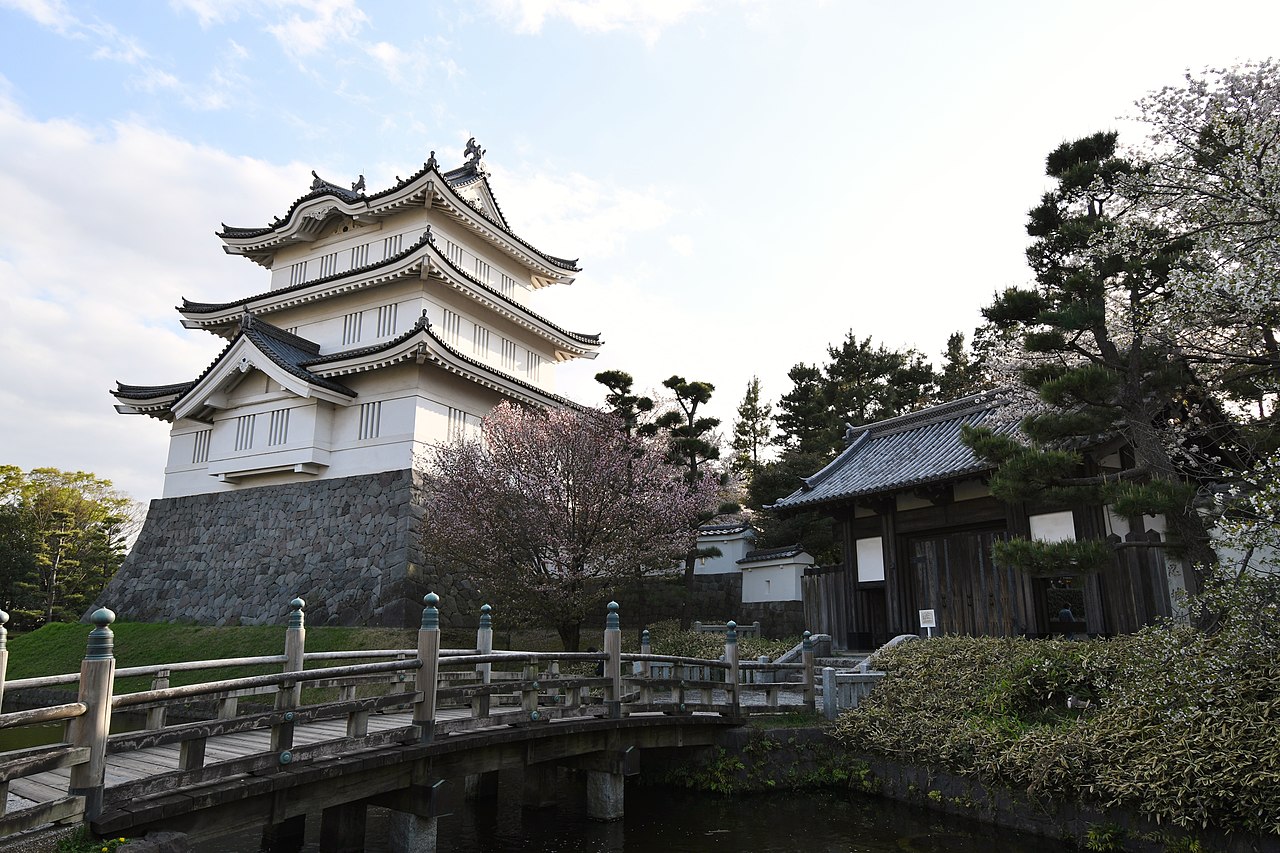
Oshi Castle is a castle in Gyoda City, Saitama Prefecture, and is one of the "Seven Famous Castles of the Kanto," which endured even the water attack by the 20,000-strong Toyotomi army led by Ishida Mitsunari in the Sengoku period and in the end never fell. It was a water castle (mizujiro) that made use of the topography surrounded by swamps and rivers, and because of its solidity it was also called the "Floating Castle." It is widely known as the stage of the novel "The Floating Castle" (Nobou no Shiro), which was also made into a film, and the reconstructed three-story turret evokes the days of old. It is cherished by many people as a symbol that tells the history of Gyoda.
An Impregnable Castle That Endured the Water Attack
Oshi Castle was a natural fortress built in a wetland area. During Toyotomi Hideyoshi's Odawara Campaign, Ishida Mitsunari led a large army to attack Oshi Castle and carried out a water attack, building embankments around it and drawing in river water. However, because the castle was built as if floating on a swamp, it did not submerge, and the castle soldiers and the people of the domain protected it as one, so in the end it never fell. This battle has been handed down together with the character of Narita Nagachika, who served as the castle warden, and became widely known through the novel "The Floating Castle." The story of the castle and the people who did not yield even to adversity still moves the hearts of many today.

The Three-Story Turret and the Local History Museum
At the present-day Oshi Castle ruins, the symbolic three-story turret has been reconstructed, evoking the castle's former appearance. This turret was rebuilt in 1988 and is used as part of the exhibition rooms of the Gyoda City Local History Museum. From the top floor you can look out over the townscape of Gyoda. The local history museum has substantial exhibits where you can learn about regional culture, such as the history of Oshi Castle, the battle of the water attack, and the history of tabi (split-toe sock) making, a specialty of Gyoda. Gyoda is also known as a tabi town, and at its peak it produced the majority of the nation's tabi. The area around the castle ruins is maintained as a park, where you can enjoy a historical stroll amid the nature of the four seasons.

Access and Basic Information
- Location: Honmaru, Gyoda City, Saitama Prefecture
- Transportation: From Gyoda Station on the JR Takasaki Line, take the city loop bus and get off at Oshi-joshi and Kyodo-Hakubutsukan-mae, or walk about 15 minutes from Gyoda-shi Station on the Chichibu Railway
- Gyoda City Local History Museum hours: 9:00 to 16:30 (last entry 16:00)
- Closed: Mondays (open on national holidays) and other days; also closed over the year-end and New Year period
- Admission: 200 yen general, 100 yen university and high school students, 50 yen elementary and junior high students (includes viewing the three-story turret)
- In spring when the cherry blossoms bloom, the scenery of the turret and cherry blossoms is beautiful and popular
Practical Travel Notes
The castle ruins and local history museum alone can be toured in about one to two hours. Also worth visiting is the Sakitama Burial Mound Cluster, a few minutes away by car. It is a nationally designated historic site dotted with giant burial mounds, and the top of the Marohakayama mound is said to be the place where Ishida Mitsunari set up his camp for the water attack. Walking a route linking the castle and the mounds lets you feel the story of the water attack more vividly. In summer, rice paddy art that treats the paddies as a canvas is also a highlight. Between strolls, be sure to try local dishes such as Gyoda's zeri furai and furai (savory fritters).
A Word of Advice
Oshi Castle centers on a reconstructed turret, so if you expect a large cluster of buildings like a castle with a main keep, the scale is modest. However, if you visit after learning the story of enduring the water attack and the history of the tabi industry, the way you see the quiet castle ruins changes greatly. The recommended order is to learn the background at the local history museum first, then walk the ruins. Combined with the Sakitama Burial Mound Cluster and the townscape with its surviving tabi storehouses, it is perfect for a half-day to full-day trip touring the history of Gyoda at leisure.
📚 Sources
This article is based on exhibition and visitor guidance from the Gyoda City Local Museum (including the Gosankai Yagura turret), the history of the water siege of Oshi Castle, and tourism information for Gyoda City. It also draws on guidance for the nationally designated Sakitama Kofun group and Gyoda's noted tabi-sock making and zerii-furai. Opening hours and admission may change, so please confirm with official sources before you go.
Visitor Checklist
- Estimated time: About 1 to 2 hours for the castle site and museum alone; half a day to a full day if you link the Sakitama Kofun group.
- How to get around: Learn the background of the water siege and tabi industry at the museum before walking the castle site.
- Access: City loop bus from JR Gyoda Station, or about a 15 minute walk from Gyodashi Station on the Chichibu Railway.
- Admission check: The museum runs 9:00 to 16:30 (entry to 16:00), closed Mondays (open on holidays) among others.
- Also enjoy: The Sakitama Kofun group a few minutes away by car, and the summer rice paddy art.
- Local food: Try zerii-furai and furai between stops on your walk.
📍 Location & Access


Share this article


✍️ About this article
This article is compiled by the Tabitabi JAPAN editorial team from official and primary sources, including facility and shrine/temple websites, tourism information published by municipalities and tourism associations, and cultural-property records released by national and local governments. Prices, opening hours and event dates may change, so please also check the official information of each facility or local government before you visit.