
Saitama Cherry Blossom Guide: Best Sakura Spots
Kumagaya Sakura Tsutsumi (Cherry Blossom Embankment)
Kumagaya City is known as "Japan's hottest city." But in spring alone, this city transforms into the most romantic place in all of Japan. The Kumagaya Sakura Tsutsumi, where about 500 Yoshino cherry trees stretch for 2 km along the embankment of the Arakawa River, is an overwhelmingly breathtaking sight, with a tunnel of pale pink blossoms continuing endlessly. In the season of full bloom, countless petals gently drift down onto the river surface, and as you gaze at them slowly flowing along the water, you can feel Saitama's spring quietly but surely beginning to move.
What makes this place special is not just the overwhelming number of cherry trees. Even though many flower-viewing visitors come every year, a somehow nostalgic and idyllic atmosphere drifts through it — because these are "cherry blossoms within everyday life" that have accompanied the lives of local people for many years. On weekends, you can see local families spreading out homemade side dishes here and there, enjoying a leisurely feast. The glamour of a tourist destination and the warmth rooted in the community coexist here — that hard-to-find atmosphere is what makes this place more than just a famous spot.
Best Viewing Period
The peak viewing period is usually from late March to early April. Full bloom lasts only about a week — and perhaps it is precisely because of this fleeting beauty that cherry blossoms stir the human heart so deeply. Keep checking the cherry blossom blooming information released by the Kumagaya Local Meteorological Observatory so you don't miss this once-in-a-lifetime timing.
The recommended time of day is early morning, around 7 to 9 a.m. The soft slanting light of morning faintly illuminates the petals, and there are still almost no people atop the embankment. It's an exceptionally luxurious time when you can have all 500 cherry trees to yourself. If you want to take photos with the blue sky as a backdrop, the morning is by far the best. On the other hand, from evening onward, the cherry blossoms lit by the setting sun glow golden, showing an expression entirely different from daytime. If time allows, follow the changing expressions of the cherry blossoms from morning to dusk in the shifting light.
Hidden Spot Information: The southern-end area of the Sakura Tsutsumi sees relatively few tourists and is the perfect zone for a leisurely stroll. It's a spot where locals quietly head, saying "it's more relaxing over there." When you tire of the crowds, do extend your steps to the southern end. The feeling of having the row of cherry trees all to yourself can only be described as exceptional.
Illumination
When the sun sets, the Kumagaya Sakura Tsutsumi shows a completely different face from daytime. The cherry blossoms floating up in the light shine almost bewitchingly white, and the sight of petals fluttering down each time they sway in the night breeze is so fantastical you can't help but stop and gaze in wonder. In contrast to the daytime liveliness, a quiet, sweet air drifts beneath the night cherry blossoms — truly an unmissable time for couples and photography enthusiasts.
The illumination is usually held until around 6 p.m. to 9 p.m. (varies by year). Since early spring nights are still cold, don't forget to bring an extra layer of warm clothing such as a light down jacket or cardigan. Visiting twice, day and night, is the only way to truly savor the essence of the Kumagaya Sakura Tsutsumi — that's no exaggeration, so exceptional is the beauty of the night cherry blossoms.
Access: About 15 minutes on foot from the south exit of "Kumagaya Station" on the JR Takasaki Line. Renting a bicycle around the station and heading over while cycling is a very local way to enjoy it and is recommended. During flower-viewing season, the surrounding parking lots get extremely crowded, and on full-bloom weekends, there can be long waits just to enter. Visiting by public transportation is by far the wiser choice.

Gongendo
When talking about Saitama's famous cherry blossom spots, there's a place locals will always name. It's the Gongendo Tsutsumi in Satte City. About 1,000 cherry trees burst into bloom all at once along the roughly 1-km embankment, and the sight of the vivid yellow carpet of rapeseed flowers coloring the ground at their feet makes you feel as if you've wandered into a painted world. The vivid contrast woven by the pink of the cherry blossoms and the yellow of the rapeseed flowers is, once seen, a symbol of Saitama's spring that will never fade from memory.
"A little more of a hidden gem than Kumagaya, but the scenery is no less impressive" — it's understandable that locals quietly boast like this. Beyond the embankment spreads Gongendo Park, which has watched over the area since long ago, and you can lose track of time slowly enjoying the scenery of cherry blossoms blending into the idyllic natural landscape. The lack of touristy hustle and the somehow simple, warm atmosphere may be the greatest charm of the Gongendo Tsutsumi. If you want to aim for the collaboration of cherry blossoms and rapeseed flowers, late March to early April is the golden period. Do make a visit during this short period when both reach their peak together.
Access
About 20 minutes on foot from the west exit of "Satte Station" on the Tobu Nikko Line, or get off right at the "Gongendo" bus stop of the Asahi Bus. On weekends during flower-viewing season, a temporary direct bus from Satte Station often runs, allowing smooth access without waiting. Be sure to check the operating schedule in advance on the official website of the Satte City Tourism Association.
Access by car is convenient at about 10 minutes from the "Satte IC" of the Ken-O Expressway, but on peak-time weekends, it's not uncommon for the parking lot to have a wait of several hours. If you want to cleverly avoid the crowds, visiting on a weekday morning is the best choice. The joy of being able to leisurely walk the embankment with few people has a flavor quite different from the weekend.
Tip for Travelers: It takes about 30 to 40 minutes to walk one lap of the embankment. Visit in comfortable walking sneakers and stroll without rushing, savoring the scenery. At the shops, fresh vegetables lovingly grown by local farmers and nostalgically flavored flower-viewing dumplings are also sold. Taking a break atop the embankment with a purchased dumpling in hand — that relaxed flow of time is the luxurious way to spend time unique to the Gongendo Tsutsumi. To avoid the crowds, we recommend visiting in the morning right after the gates open, if possible.

Kawagoe Castle Ruins
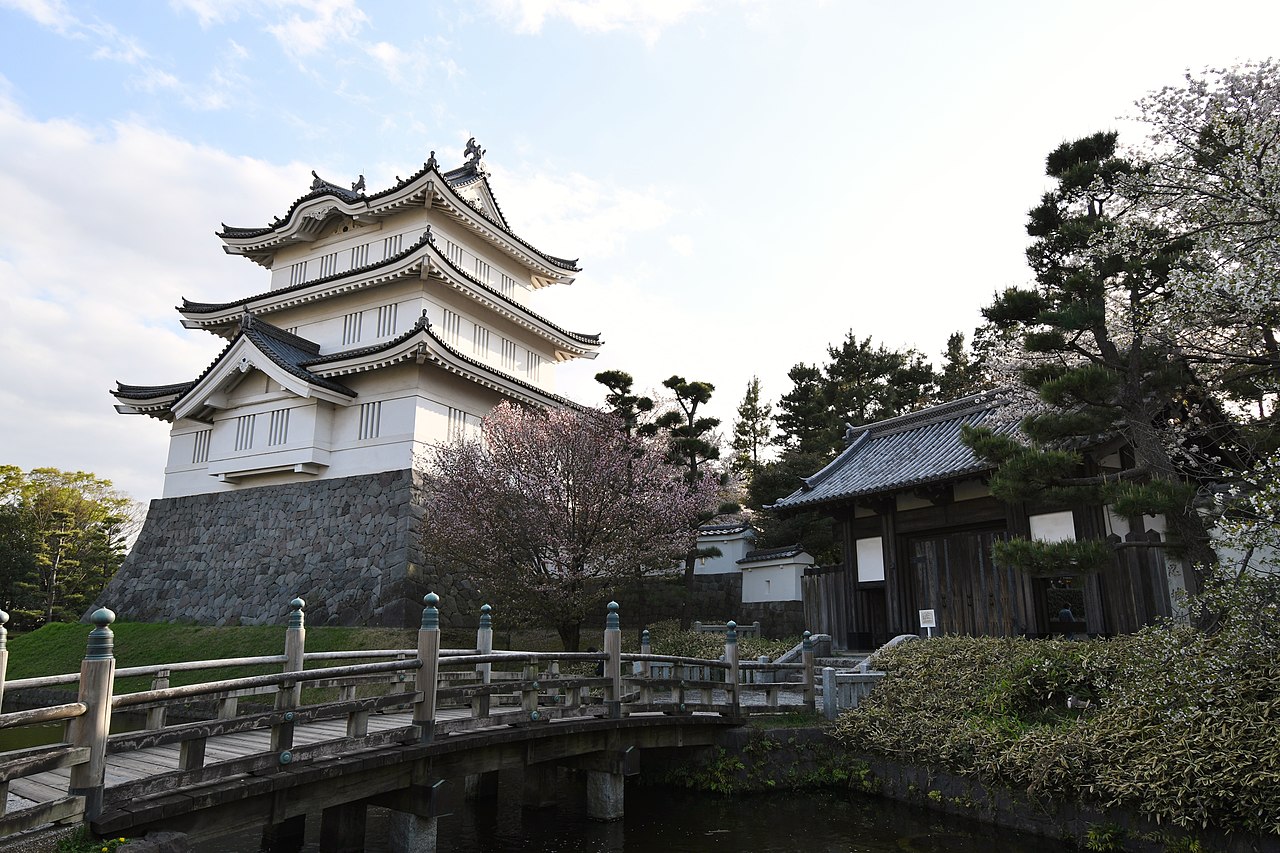
When spring comes to the city of Kawagoe, famous as "Little Edo," a flower called glamour blooms atop the weight of history. The cherry blossoms of the Kawagoe Castle Ruins (Hatsukari Park) bloom proudly with the surviving Honmaru Goten (main palace) as a quiet backdrop, creating a one-of-a-kind extraordinary feeling, as if you had time-slipped straight back to the Edo period. The sight of the old tiled roof and pale pink cherry blossoms overlapping is a special experience that history lovers can't resist, and it will surely look beautiful even to the eyes of those not well-versed in history.
Sitting down on the spacious lawn of the castle ruins park and absentmindedly looking up at the sky, the blue sky and cherry blossoms spread out in full. The location, close to the lively warehouse-style townscape that thrives as a tourist destination, is also appealing, and the efficiency of being able to enjoy both cherry blossom strolling and Kawagoe sightseeing at once is a point not to be missed. If you want to fully savor spring in Kawagoe, this is a place you can't skip. The viewing period, like the other spots, is late March to early April. The sight of photography enthusiasts arriving from early morning to set up tripods to capture the scenery woven by the Honmaru Goten and cherry blossoms has also become a seasonal tradition of spring.
Nearby Gourmet
After admiring the cherry blossoms, let's walk on to a tour of gourmet food unique to Kawagoe. At Kashiya Yokocho (Candy Alley), nostalgic old-fashioned sweets are lined up densely, and just strolling leisurely while eating along the way puts you in an indescribably happy mood. Kawagoe's specialty sweet potato sweets (such as imo-koi and sweet potato soft serve) are so delicious you should expect a line — they're worth the wait, by reputation. Shops offering spring-limited cherry-blossom-flavored sweets also appear in various places, so do check them out while walking the streets. Encountering a seasonal limited item is also one of the true joys of travel.
If you bring a flower-viewing bento, the lawn area of Hatsukari Park is a perfect picnic spot. Thoroughly enjoy the cherry blossoms at the castle ruins in the morning, leisurely enjoy lunch on the lawn, and then stroll the warehouse district in the afternoon — with this "Kawagoe Spring Golden Route," savor Saitama's spring with your whole body.
Access: About 15 to 20 minutes on foot from "Hon-Kawagoe Station" on the Seibu Shinjuku Line or "Kawagoe Station" on the Tobu Tojo Line, or get off right at the "Sankubo-cho" bus stop by bus. The route of walking there while gazing at the warehouse-style townscape is a recommended path that best heightens the travel mood. If time allows, do access it on foot while enjoying the Kawagoe townscape.
Tip for Travelers: Kawagoe on weekends is very crowded with tourists year-round. During the cherry blossom peak, the area around the castle ruins also gets quite crowded, so it's wise to visit in the 8 to 9 a.m. hour right after opening. The castle ruins in the time of day with few people and soft morning light will surely look far more photogenic and give you an exceptional time to quietly savor history and cherry blossoms. Kawagoe has many sights, and before you know it, you may have walked quite a distance. Comfortable, broken-in sneakers are essential. Also, spring weather changes easily, and sudden rain is not uncommon, so tucking a compact folding umbrella into your bag will let you enjoy the day with peace of mind.
📍 Location & Access



Share this article


✍️ About this article
This article is compiled by the Tabitabi JAPAN editorial team from official and primary sources, including facility and shrine/temple websites, tourism information published by municipalities and tourism associations, and cultural-property records released by national and local governments. Prices, opening hours and event dates may change, so please also check the official information of each facility or local government before you visit.