
Mt. Tsurugi — The Mysterious Power of Shikoku's Second Highest Peak
At 1,955 meters, Mt. Tsurugi is the highest peak in Tokushima and, after Mt. Ishizuchi in Ehime, the second highest mountain in western Japan. It is counted among the one hundred famous mountains of Japan. The summit is a flat plateau covered in dwarf bamboo, giving an unusually open highland landscape. Revered since ancient times as a sacred site of mountain asceticism, it draws many climbers and worshippers as a spiritual place said to hold strong power.
Highlights
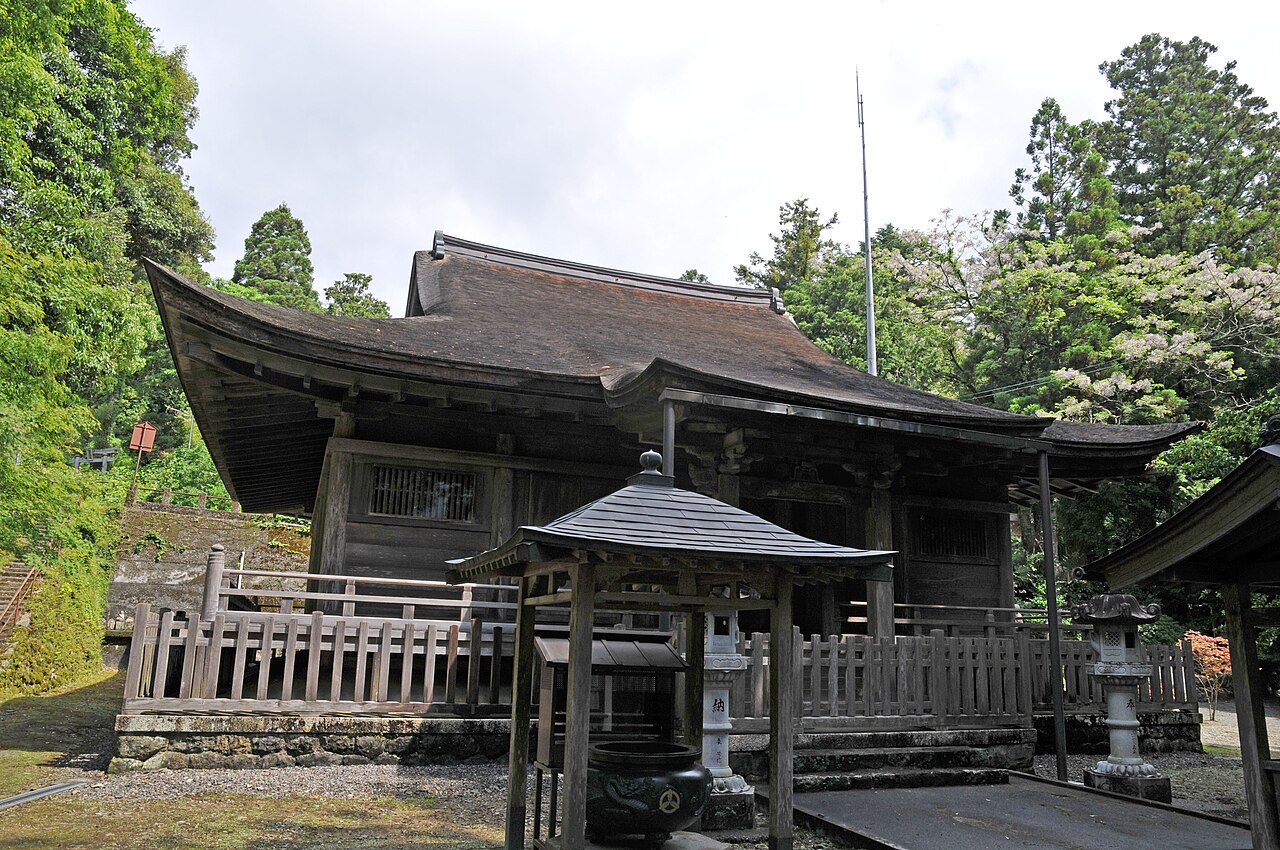
At the summit stands Tsurugisan Hongu Horazoishi Shrine, and behind its hall the sacred object, a great rock called Horazoishi, is enshrined. It is a mysterious mountain wrapped in many legends, including tales linked to the young Emperor Antoku. From the dwarf bamboo highland around the summit, dreamlike views open out as if floating above a sea of clouds. The early morning sea of clouds is a must see, with peaks emerging from the white waves like a world in the sky. From Nishijima Station, the upper end of the climbing lift, a trekking course of about one hour on foot leads to the summit.
Enjoying the Seasons
In summer, July and August, the rare native alpine flower Kirengeshoma comes into bloom, and many climbers come for its delicate yellow flowers. Autumn, from September to November, brings a beautiful contrast of foliage and green bamboo, and the scenery combined with a sea of clouds is deeply moving. Winter wraps the sacred peak in a solemn snowy atmosphere. The season of lingering snow and fresh buds in spring has its own charm.
Access and Basic Information
The trailhead is Minokoshi, at 1,420 meters, and access is basically by car. By public transport, the seasonal Gurutto Tsurugisan climbing bus runs to Minokoshi from Awa Ikeda Bus Terminal near JR Awa Ikeda Station; because the operating period and number of services are limited, check the latest timetable in advance. From Minokoshi, the Tsurugisan sightseeing climbing lift carries you up to Nishijima Station. The lift links a height difference of 330 meters over a length of 830 meters in about fifteen minutes, and the fare is 2,300 yen round trip or 1,300 yen one way for adults (as of April 2026; cash only). It usually operates from mid April to the end of November and closes in winter due to snow.
Practical Travel Notes
- Best season and time: for a sea of clouds or clear views, early morning is best; summer Kirengeshoma and autumn foliage are the popular times
- Time needed: about one hour each way from Nishijima Station to the summit, so allow around half a day including the round trip and any wait for the lift
- Avoiding crowds: the parking area and lift are busy on summer and autumn holidays, so weekdays or early mornings are recommended
- Nearby real spots: the vine bridge (kazurabashi) and the Oboke and Koboke gorges in the Iya area combine well with a visit here
- Budget sense: on top of the 2,300 yen round trip lift, allow for parking, meals, and the climbing bus if you use it
- Gear: the summit is far cooler than the foot of the mountain, so warm clothing, rain gear, and sturdy shoes are essential even in fine weather
A Quick Tip
Mist tends to form near the summit and the weather changes quickly, so warm clothing and rain gear are essential even on clear days. Staying at a mountain hut, such as the Tsurugisan summit hut, and aiming for the early morning sea of clouds makes for an unforgettable plan. Because the lift and bus run only in a limited season, always check the latest official information before you set out.
📚 Sources
This article draws mainly on the history and worship guidance published officially or on site by shrines and temples across Tokushima, such as Nishiteru Shrine, Tsunomine Shrine, Nyoirinji, and the Tsurugi honmiya shrine. It also reflects the interpretive signs in each precinct and the sightseeing information of Tokushima Prefecture and the relevant municipalities. Fees, hours, and offered items may change, so please confirm with the official information of each shrine, temple, or authority before you set out.
Visitor Checklist
- Estimated time: Thirty minutes to one hour per site, or half a day to a full day for mountaintop sites or several places.
- What to bring: Warm clothing, drinks, and comfortable shoes, as many sites sit on mountaintops.
- How to get around: A car is basic; drive carefully, as mountain roads are narrow in places.
- Time of day: The mountains grow dark after late afternoon, so a daytime visit is recommended.
- Etiquette: At quiet places of prayer, be mindful of chatter and photography.
📍 Location & Access




Share this article


✍️ About this article
This article is compiled by the Tabitabi JAPAN editorial team from official and primary sources, including facility and shrine/temple websites, tourism information published by municipalities and tourism associations, and cultural-property records released by national and local governments. Prices, opening hours and event dates may change, so please also check the official information of each facility or local government before you visit.