
Basashi: Fresh Sliced Raw Horse Meat of the Mountains
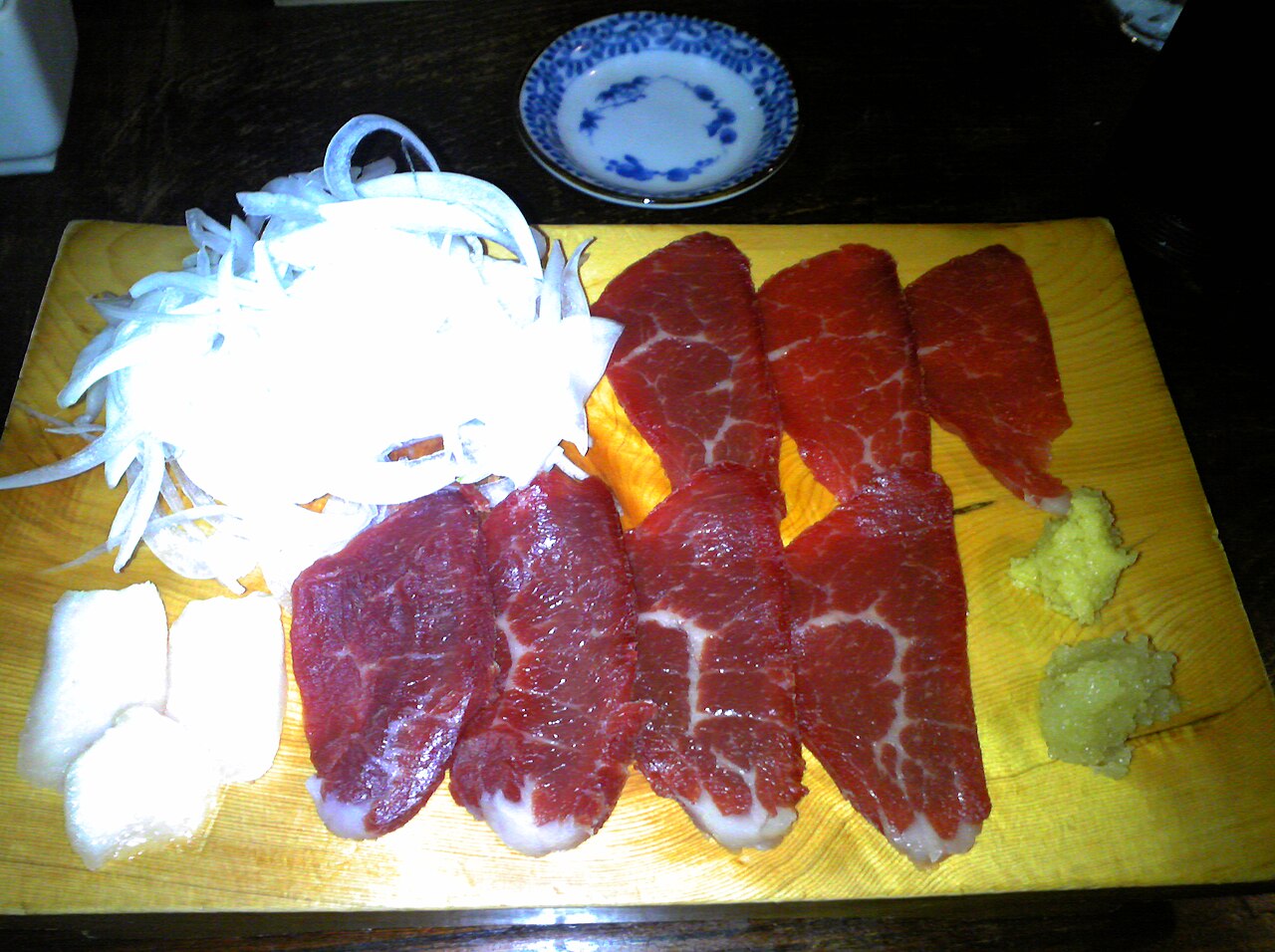
In the mountainous heart of Yamanashi, far from the sea, horse meat has long been valued as a precious source of protein. Among its forms, basashi, in which fresh horse meat is sliced thin and eaten raw, is indispensable at local tables and drinking gatherings. It is marked by a fine grained texture and a clean finish, and certain cuts melt with a refined fattiness.
Highlights
The appeal of basashi lies in combining the firm savor of lean meat with a tender mouthfeel. The standard way to enjoy it is with grated ginger, garlic, and chopped green onion as condiments, dipped in a slightly sweet soy sauce. Cuts differ in character, from lean meat to marbled portions to the fatty mane, and tasting them side by side reveals each one distinct quality.
Enjoying the Seasons
Served cold and chilled, basashi is refreshing even in the hot season. Savored slowly with local sake or wine, it also suits an evening drink in the colder months. Paired with other regional dishes unique to Yamanashi, it lets you fully appreciate the bounty of the land.
Access and Basic Information
The dish is found mainly in the city of Kofu, at specialty shops and izakaya across the prefecture. Establishments serving horse meat dishes are scattered around JR Kofu Station, an easy stop for an evening meal. By car, the Kofu Showa interchange on the Chuo Expressway is the gateway. At butchers and product stores that handle horse meat, you can also find items to take home as gifts.
Practical Travel Notes
At izakaya, basashi is often served as a single plate, and some shops offer an assortment of cuts such as lean and marbled meat side by side. Prices vary with the cut and the standing of the shop, but many places let you order it casually as a dish for an evening meal, and pairing it with local sake or Koshu wine is a way of enjoying it true to the region. Because it is raw meat, careful handling of freshness matters, so it is safest enjoyed at a shop that specializes in it. If you wish to take some home, buying from a butcher or product store that sells it frozen makes it easier to carry, and following the guidance on thawing helps preserve the flavor in your own kitchen. Many shops open mainly in the evening, so if you want to taste it at midday, checking the hours in advance is wise.
A Quick Tip
Because freshness is everything for this dish, it is best enjoyed at a trustworthy specialty shop. Add the condiments little by little to find the balance that suits your taste.
Souvenir and Takeaway Tips
Basashi is a dish long enjoyed in Yamanashi in which fresh horse meat is sliced thin and eaten raw. In Koshu it is also called "sakura niku" (cherry meat), and its pride is the light umami of the lean, low-fat meat and its tender texture. The standard way to enjoy it is with ginger and garlic on the side, dipped in sweet soy sauce, making it perfect as an accompaniment to drinks. Frozen basashi can be ordered in refrigerated shipments, and processed goods such as smoked meat and saiboshi (dried horse meat) keep well, are available at souvenir shops and by mail order in Yamanashi, and are good as gifts to bring home. We recommend savoring the local specialty, basashi, in Yamanashi.
Sightseeing Checklist
- Budget guide: From just over 1,000 yen for a plate or a cooked dish
- Where to eat it: Local-cuisine restaurants, izakaya and butchers around Yamanashi Prefecture
- Best time of day: Lunch or dinner, and especially with a drink in the evening
- Avoiding the crowds: Popular places are busy in the evening, so go outside peak hours
- Combine it with: Ordering frozen basashi by mail, Koshu wine, the streets of Kofu and hoto noodles
📚 Sources
This article is compiled from tourism information for Yamanashi Prefecture and information published by the individual shops. Prices, menus and seasonal availability are subject to change, so please check each shop's official information for details.
📍 Location & Access


Share this article


✍️ About this article
This article is compiled by the Tabitabi JAPAN editorial team from official and primary sources, including facility and shrine/temple websites, tourism information published by municipalities and tourism associations, and cultural-property records released by national and local governments. Prices, opening hours and event dates may change, so please also check the official information of each facility or local government before you visit.