
Sabae Glasses: Sacred Ground of Eyeglasses Where 90% of Japan's Glasses Are Made
Sabae City in Fukui Prefecture is known worldwide as the "sacred ground of eyeglasses," producing the majority of Japan's eyeglass frames. Eyeglass making, which began in the Meiji era as a farmers' side business, has developed through the ceaseless innovation of craftsmen into a major industry the country can be proud of. In Sabae, where a tradition of precise craftsmanship lives on, you can enjoy a journey touching the culture and craft surrounding eyeglasses.
Highlights
Eyeglass making in Sabae began in 1905 in the Meiji era, when the local notable Gozaemon Masunaga invited craftsmen from Osaka and elsewhere as a winter side business during the snowy months when farm work was impossible. Turning the harsh winters of a heavy-snow region to advantage, it took root as indoor handwork. Since then, craftsmen have honed their skills and layered innovation, including the world's first mass production of titanium frames, growing into a world-class eyeglass production center. Sabae produces the majority of Japan's eyeglass frames.
Sabae eyeglasses are said to be made through more than 200 detailed processes, each infused with skilled craftsmanship. The technology to work light, durable titanium is among the best in the world, producing frames that are gentle on the skin and comfortable to wear. Highly regarded for design as well, products of famous brands at home and abroad are also made in Sabae. Reliable technology and quality cultivated over many years support the Sabae brand trusted by people around the world.
Enjoying the Seasons
Sabae can be enjoyed year-round, but visiting in winter, the origin of eyeglass making, lets you feel the snow-country history behind the industry. Each autumn the major eyeglass event "Megane Fes" is held, drawing eyeglass fans from across the country. Because the dates vary by year, check the schedule in advance if you want to attend.
Access and Essentials
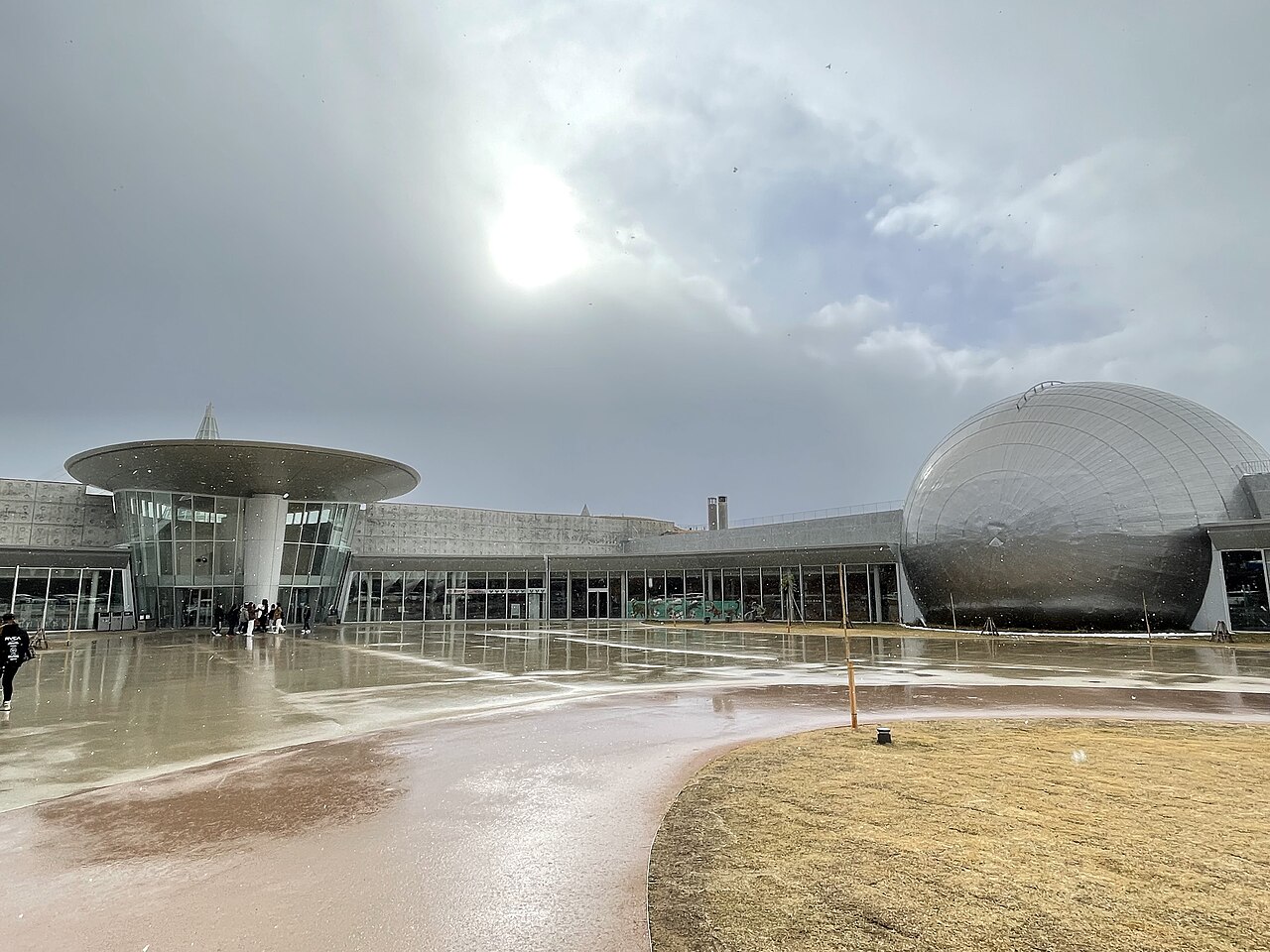
From Sabae Station on the JR Hokuriku Main Line, it is a convenient 10-minute walk to the Megane Museum, the hub facility for eyeglasses. Access by the Hokuriku Shinkansen has also become convenient. The Megane Museum includes a museum where you can learn the history and manufacturing processes of eyeglasses, a shop where you can choose your ideal frame from about 3,000 options, and a hands-on experience (reservation required) to make a one-of-a-kind pair under a craftsmans guidance. The attached shop and cafe also offer unique eyeglass-themed goods and sweets. Please check official information for experience fees, duration, reservation methods, and facility hours.
Practical Travel Notes
There is no particular best season and it can be enjoyed year-round, and since it centers on indoor facilities it is reassuring even on rainy or snowy days. The hands-on experience is popular, so early reservation is recommended if you wish to join. Allow one to two hours for choosing glasses or touring the exhibits, and about half a day including the hands-on experience. It also pairs well with nearby craft spots such as central Fukui, the Echizen Coast, Echizen washi paper, and Echizen lacquerware. As for budget, touring is reasonable, and plan a budget to match if adding a frame purchase or the hands-on experience.
A Word of Advice
Sabae is not merely a tourist destination but a town where you can touch world-class craftsmanship and a passion for making things. The hands-on experience has popular slots, so reserve early once your dates are set. The time spent choosing the perfect pair for your face with a craftsmans advice is a luxury unique to Sabae. Touch the deep world of eyeglasses and take home a one-of-a-kind pair as a memento of your trip.
📚 Sources
The information here is based mainly on the public guidance from Sabae city, its tourism association, and eyewear-related bodies, together with the guidance of the Megane Museum, which serves as the base. The history of eyewear making that began in the Meiji era and the guidance on the autumn Megane Fes are also useful references. Because the fees and duration of the handmade experience, the reservation method, and the facility hours may change, please confirm the latest details on the official Megane Museum or Sabae city information before you visit.
Visitor Checklist
- Estimated time needed: About 1 to 2 hours just for choosing glasses and touring the hall, or about half a day including a handmade experience.
- What to bring: Early reservation is recommended if you wish to join, as the handmade experience is popular. If buying a frame, having a budget in mind and something showing your current lens prescription makes choosing easier.
- Suggested route: After learning the history and choosing a frame at the Megane Museum, combine your trip with the Echizen lacquerware Urushi no Sato Kaikan in the same Sabae, and Echizen Washi no Sato reachable by car, for a rich journey through Fukui craftsmanship.
Practical Information for Your Visit
- Megane Museum (Glasses Museum) address: 2-3-4 Shinyokoe, Sabae City, Fukui Prefecture
- Opening hours: 10:00-19:00 (the Glasses Museum exhibition area is open 10:00-17:00, and the glasses workshop 10:00-16:00)
- Closed: Every Wednesday and over the New Year period (December 30 to January 3)
- Admission: Free of charge (the museum, shop and cafe are all free to enter)
- Handmade eyewear workshop (glasses-making class): Reservations are required. It takes about 5 to 6 hours, and you can take home the frame you have made the same day. Dates, prices and availability must be checked on the reservation page of the official website
- Access (by train): About a 10-minute walk from Sabae Station on the Hapi-Line Fukui railway. If you are travelling by the Hokuriku Shinkansen, change to the Hapi-Line Fukui at Fukui Station or Tsuruga Station (the line was transferred from the JR Hokuriku Main Line on March 16, 2024)
- Access (by car): About 5 minutes from Sabae IC on the Hokuriku Expressway. Free parking is available
- Eyeglass frame production in Sabae: Sabae is Japan's largest eyewear-producing area, accounting for the great majority of domestic eyeglass frame production, and the city itself promotes the area as "the home of Japanese-made eyeglass frames"
Note: The fee for the glasses-making class varies by course. Please check when making your reservation. Note: The nationwide market share figures for Sabae differ depending on the source. Please check the official information from Sabae City for the latest figures. (Sources: Megane Museum official website, Sabae City official website, Fukui Prefecture official tourism website, Hapi-Line Fukui official website)
📍 Location & Access



Share this article




✍️ About this article
This article is compiled by the Tabitabi JAPAN editorial team from official and primary sources, including facility and shrine/temple websites, tourism information published by municipalities and tourism associations, and cultural-property records released by national and local governments. Prices, opening hours and event dates may change, so please also check the official information of each facility or local government before you visit.