
Tsuruga Matsuri: Samurai Floats at Kehi Jingu Shrine
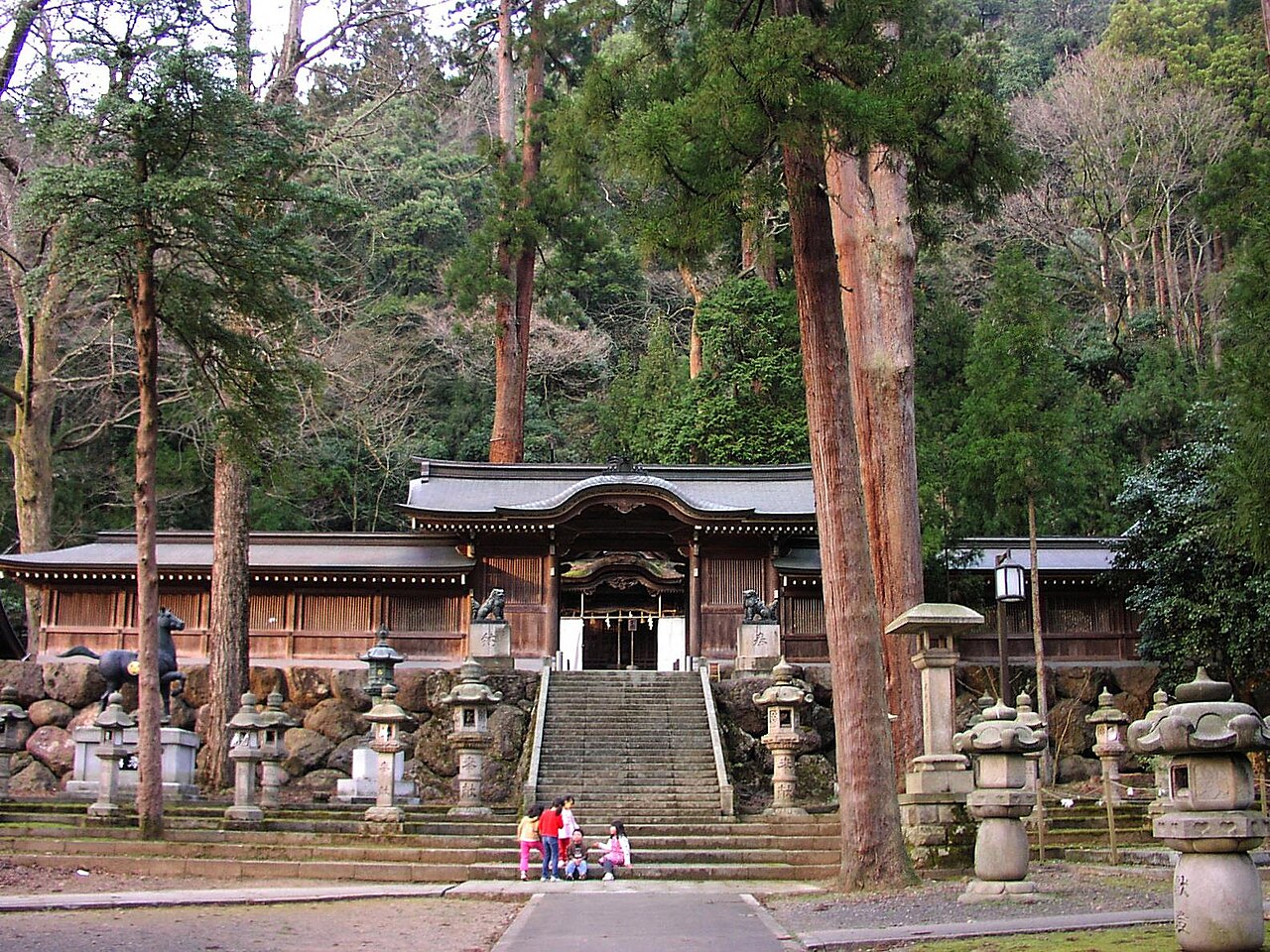
Tsuruga sits at the head of a deep bay in Fukui Prefecture, and its great shrine, Kehi Jingu, has long been regarded as the first shrine of Echizen Province. The shrine grand festival opens on September 2 with an eve rite, continues with the divine procession on the 3rd and the main ceremony on the 4th, carries on through subsidiary rites to the 10th, and ends with a monthly service on the 15th. That length earned it the nickname of the long festival of Kehi. Around town it is known simply as Tsuruga Matsuri, and its emblem is a set of six floats bearing life-size warrior figures.
Real Armour, Real Noh Masks
What distinguishes the Tsuruga floats is how the figures are made. Life-size dolls are dressed in genuine noh masks and genuine suits of armour, recreating warlords as they would have appeared heading into battle during the age of civil war. A real mask carries an expression that a reproduction cannot, and the weight of real armour changes the atmosphere when you stand close. Floats are said to have existed in Tsuruga by the end of the Muromachi period, and local tradition holds that Oda Nobunaga watched them in 1575. In the Edo period somewhere between 30 and 50 of them, large and small, were pulled through the streets. Most were destroyed by fire during the Second World War, and after decades of restoration six now take part.
Three Days, Three Moods
The eve rite on September 2 is the prelude, and locals say the main festival cannot begin without it. Children perform dances on the floats as flute and drum music carries them through the town. On September 3 comes the divine procession, when a palanquin bearing the deity moves through the streets behind a brocade banner marked with the chrysanthemum crest, escorted by guards in court caps and formal robes, to the sound of gagaku court music. On the same day 16 portable shrines assemble before the great torii gate. September 4 brings the main ceremony, the most solemn rite of the shrine year, after which the six floats take to the streets.
A Whole Port Town at Once
The festival area centres on Akebono-cho, where the shrine stands, and spreads through the Kagura, Aioi, Honmachi and Shirogane districts. A festival plaza is set up, along with a carnival parade and an evening of folk dancing. If you want to see the floats outside festival season, the Minato Tsuruga Yama Museum in Aioi-cho displays them at full size, rotating the exhibits periodically for conservation.
Tips for Visiting
To study the figures properly, look for the floats while they are still parked before a procession starts. Standing still, they let you examine the masks and armour in detail and photograph them without a jostling crowd. For sheer impact, do the opposite and find a point where a float has to squeeze into a narrow street. Early September in Tsuruga is still hot and humid, so a hat and water are essential. The portable shrines on the 3rd and the floats on the 4th feel like different events, so if you can stay two nights, split your viewing across both days.
Getting There
From JR Tsuruga Station, the community bus on the Matsubara route reaches the Kehi Jingu Mae stop in about 4 minutes, and the Tsuruga loop sightseeing bus reaches the Kehi Jingu stop in about 3. A taxi takes roughly 3 minutes. By car it is about 10 minutes from the Tsuruga interchange, but traffic restrictions apply on procession days, so parking near the station and walking is more reliable.
Practical Information
- Dates: eve rite on September 2, divine procession on September 3, main ceremony on September 4, subsidiary rites from the 5th to the 10th, closing service on the 15th
- Venue: Kehi Jingu shrine and the Akebono, Kagura, Aioi, Honmachi and Shirogane districts of Tsuruga City, Fukui Prefecture
- Organiser and enquiries: Tsuruga Matsuri Promotion Council, Commerce and Trade Division, Tsuruga City, tel. 0770-22-8122
- Access: about 4 minutes by community bus from JR Tsuruga Station to Kehi Jingu Mae; about 10 minutes by car from the Tsuruga interchange
- Related site: Minato Tsuruga Yama Museum, 7-6 Aioi-cho, tel. 0770-21-5570, open 9:00 to 17:00 with last entry at 16:30, closed Mondays
- Official website: https://tsurugamatsuri.info/
* Dates, details and prices are subject to change. Please check the official website before you go.
(Sources: Kehi Jingu official website, Tsuruga Matsuri official website, Tsuruga City official tourism website)
📍 Location & Access




Share this article


✍️ About this article
This article is compiled by the Tabitabi JAPAN editorial team from official and primary sources, including facility and shrine/temple websites, tourism information published by municipalities and tourism associations, and cultural-property records released by national and local governments. Prices, opening hours and event dates may change, so please also check the official information of each facility or local government before you visit.