
Hyogo Food Guide: Kobe Beef, Akashiyaki & Tajima Wagyu
Facing both the Seto Inland Sea and the Sea of Japan, Hyogo is a treasure house of food where the bounty of the sea and mountains meets the internationally flavored food culture nurtured by the port city of Kobe. From world-renowned premium wagyu to fluffy local flour dishes and humble regional specialties, each area offers its own distinctive flavors. Being able to enjoy both Kobe's refined Western-style cuisine and the local dishes rooted in the countryside is a great charm of Hyogo gourmet.
Kobe Beef and Tajima Beef
Hyogo's pride to the world is Kobe beef, celebrated as a premium brand. Its fine marbling and elegant, melt-in-the-mouth fat shine in steak and teppanyaki. Kobe beef comes from Tajima cattle raised with care in the Tajima region in the north of the prefecture, where bloodlines and rearing techniques honed over long history produce superb meat quality. Around Sannomiya and Motomachi, some shops serve it at modest lunchtime prices, so why not savor a luxurious plate for a special occasion.
Akashiyaki and Local Flavors
The specialty of Akashi, facing the Seto Inland Sea, is akashiyaki, known for its soft, fluffy batter. Tender batter rich with egg wraps fresh local octopus, and the local way is to dip it in dashi broth. Often called the ancestor of takoyaki, this dish balances the elegant flavor of the broth with the firm bite of octopus, a gentle taste you can eat endlessly. At the Uonotana shopping street in Akashi, you can also enjoy snacking on fresh seafood. Beyond this, do not miss regional flour, noodle, and griddle dishes such as Himeji oden, Banshu ramen, and sobameshi.
Specialties of Tajima and Nada
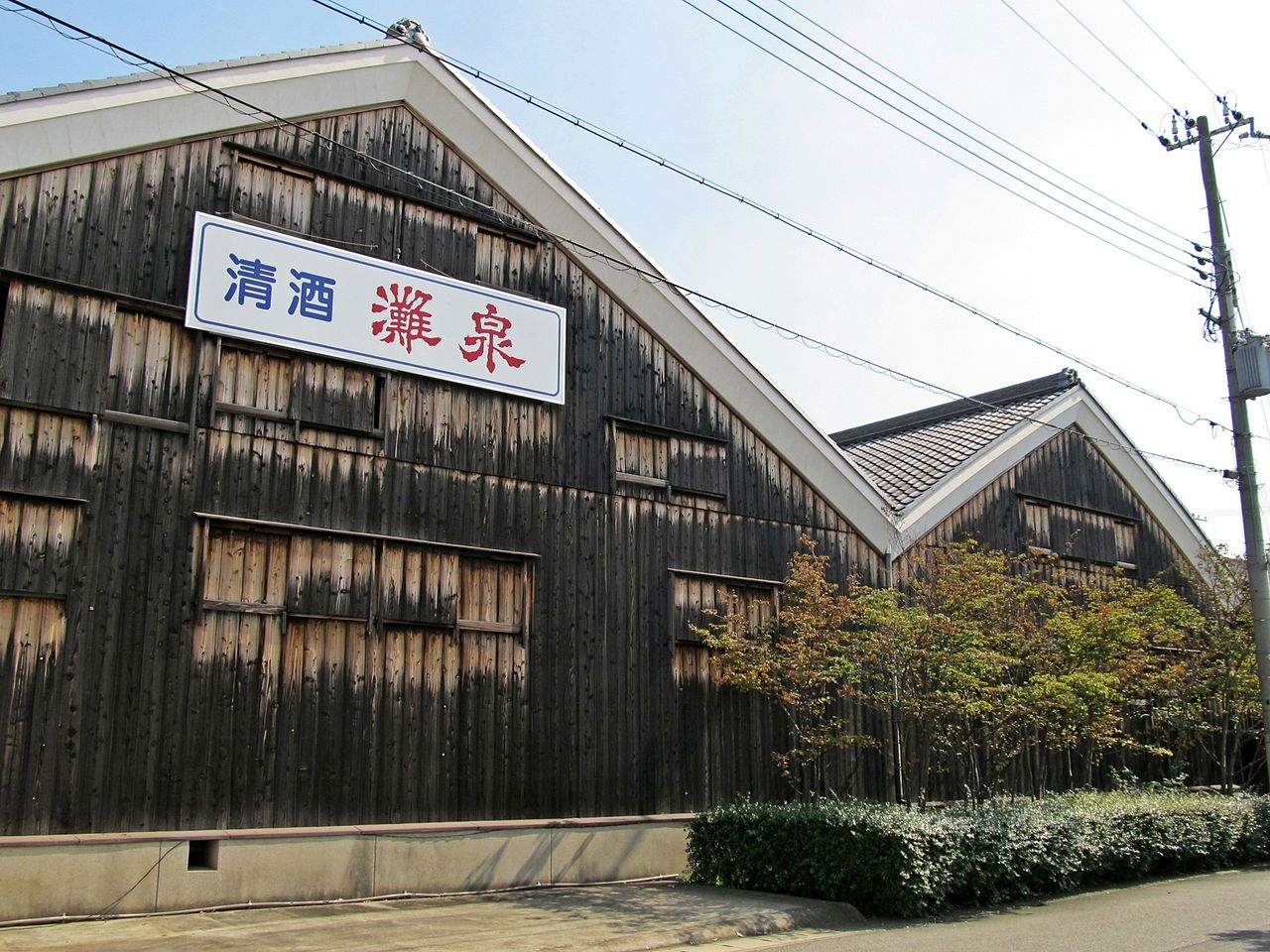
In the Tajima region in the north, Izushi sara-soba, served on small white porcelain plates, is a specialty. Amid the atmosphere of the castle town, you can stack up plate after plate of fragrant soba. Meanwhile, the Nada-Gogo district from Kobe to Nishinomiya is the foremost sake region in Japan, blessed with Miyamizu water and Yamada Nishiki rice. At brewery memorial halls and museums you can enjoy tastings while encountering traditional brewing. For seafood, the sweet onions of Awaji Island and the grilled conger of Takasago are flavors unique to Hyogo.
Practical Travel Notes
Hyogo gourmet can be enjoyed all year, but Akashi octopus is in season from early summer into summer, when its plump texture stands out. Awaji new-crop onions are best in spring, and Izushi sara-soba at the time of the new soba harvest in autumn. For access, the JR, Hankyu, and Hanshin lines form a dense network centered on Kobe Sannomiya, and Akashi is about 20 minutes from Sannomiya on the JR Kobe Line. Limited express trains are convenient for the Tajima region, including Kinosaki Onsen. Kobe beef can be enjoyed relatively affordably at lunch, and Nada brewery hopping is best done by train. From port-city Western cuisine to seaside flour dishes and mountain wagyu and soba, enjoy a varied culinary tour as you travel.
A Quick Tip
Since the specialties are spread across many areas, it is best to focus on one region at a time. The Inland Sea side centered on Kobe and Akashi feels quite different from the Tajima side that includes Izushi and Kinosaki. Choosing your timing to match seasonal ingredients or brewery events makes for a more rewarding food journey.
Practical Information for Your Visit
- Certification standards for Kobe Beef: The animal must be a heifer that has never calved or a steer of Tajima cattle bloodline, born and raised by a designated producer within Hyogo Prefecture; it must be slaughtered at a meat center within Hyogo Prefecture; its BMS marbling score must be No. 6 or above; its yield grade for the edible portion must be grade A or B; the carcass weight must be 499.9 kg or less; and the fineness and firmness of the meat must be excellent. Only beef meeting all of these standards may be called "Kobe Meat" or "Kobe Beef."
- How to be sure of tasting it: Kobe Beef is served at the "designated registered restaurants" of the Kobe Beef Marketing & Distribution Promotion Association. You can check them using the shop search on the official site.
- Akashiyaki (tamagoyaki): Locally it is called "tamagoyaki." It is made with wheat flour and "jinko" (refined wheat starch), egg and octopus, cooked on a copper plate, then served on a square board and dipped in a broth to eat. Because jinko does not harden when heated, the result is softer than takoyaki.
- Nada Gogo: Hyogo Prefecture ranks first in Japan for sake production, and Nada Gogo boasts the highest output within the prefecture. It is supported by "miyamizu," mineral-rich hard water discovered at the end of the Edo period, and by the sake rice "Yamada Nishiki," created in 1923 (Taisho 12) at the Hyogo Prefectural Agricultural Experiment Station by crossing "Yamadaho" and "Tankan Wataribune."
- Points to note: Akashiyaki (tamagoyaki) is made with wheat flour, egg and octopus. Izushi sara-soba uses buckwheat flour, so those with a buckwheat allergy should take particular care. In either case, the surest approach is to check the ingredients at the restaurant. If you sample sake on a brewery tour, never drive a car or ride a bicycle afterwards.
Note: Opening hours and prices at individual establishments vary from shop to shop.
(Sources: Kobe Beef Marketing & Distribution Promotion Association official site; Akashi City official website / Akashi Tourist Association official site; Nada Gogo Sake Brewers Association official site)
📍 Location & Access




Share this article


✍️ About this article
This article is compiled by the Tabitabi JAPAN editorial team from official and primary sources, including facility and shrine/temple websites, tourism information published by municipalities and tourism associations, and cultural-property records released by national and local governments. Prices, opening hours and event dates may change, so please also check the official information of each facility or local government before you visit.